The Maya calendar's doomsday date came from a myth where we're world number four

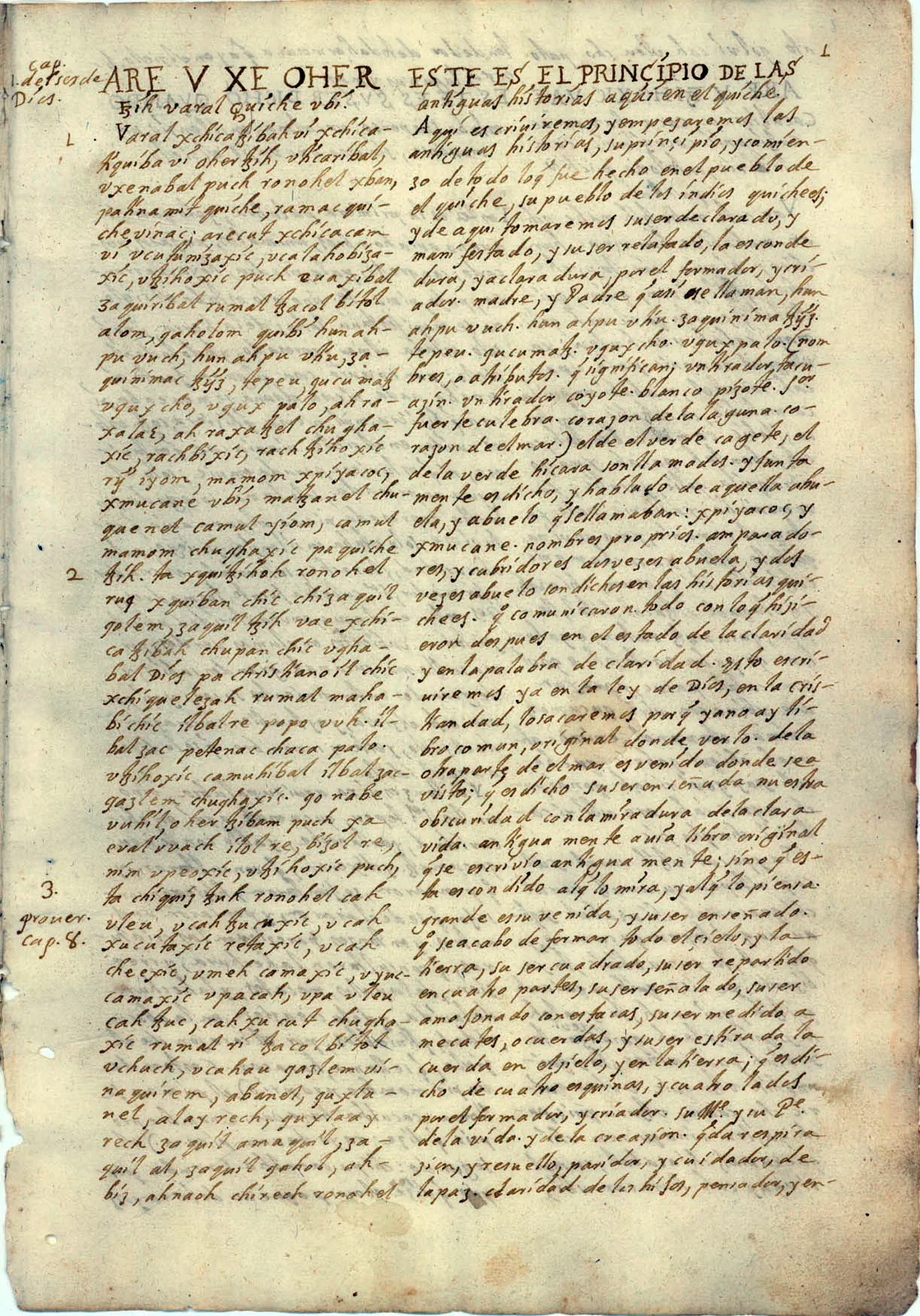
The 2012 doomsday scare drew on a real piece of Maya myth, though not the one the panic was about. The Popol Vuh, the creation account of the K'iche' Maya, describes the current world as the fourth. The gods made three failed worlds before the fourth, and the Long Count's zero date marks the end of the third world and the start of the current one.
The source for that is the Popol Vuh, the creation account of the K'iche' Maya, written down in the colonial-era Guatemalan highlands. The article on the 2012 phenomenon puts it plainly: "According to the Popol Vuh, a compilation of the creation accounts of the Kʼicheʼ Maya of the Colonial-era highlands, the current world is the fourth." The gods made three worlds that didn't work, then a fourth where humanity was placed. That's a world-ages tradition, not a doomsday prophecy.
The calendar in question is the Long Count, a linear day-count used in Mesoamerica before Europeans arrived. It doesn't cycle back like a week; it counts up. The units stack in twenties: 20 days make a uinal, 18 uinals (360 days) make a tun, 20 tuns make a k'atun, and 20 k'atuns (144,000 days, about 394 years) make a b'ak'tun. A written date like 8.3.2.10.15 means 8 b'ak'tuns, 3 k'atuns, 2 tuns, 10 uinals and 15 days. The Long Count was most likely invented by the Olmec, though it has become closely associated with the Maya. Their classic period ran from 250 to 900 AD.
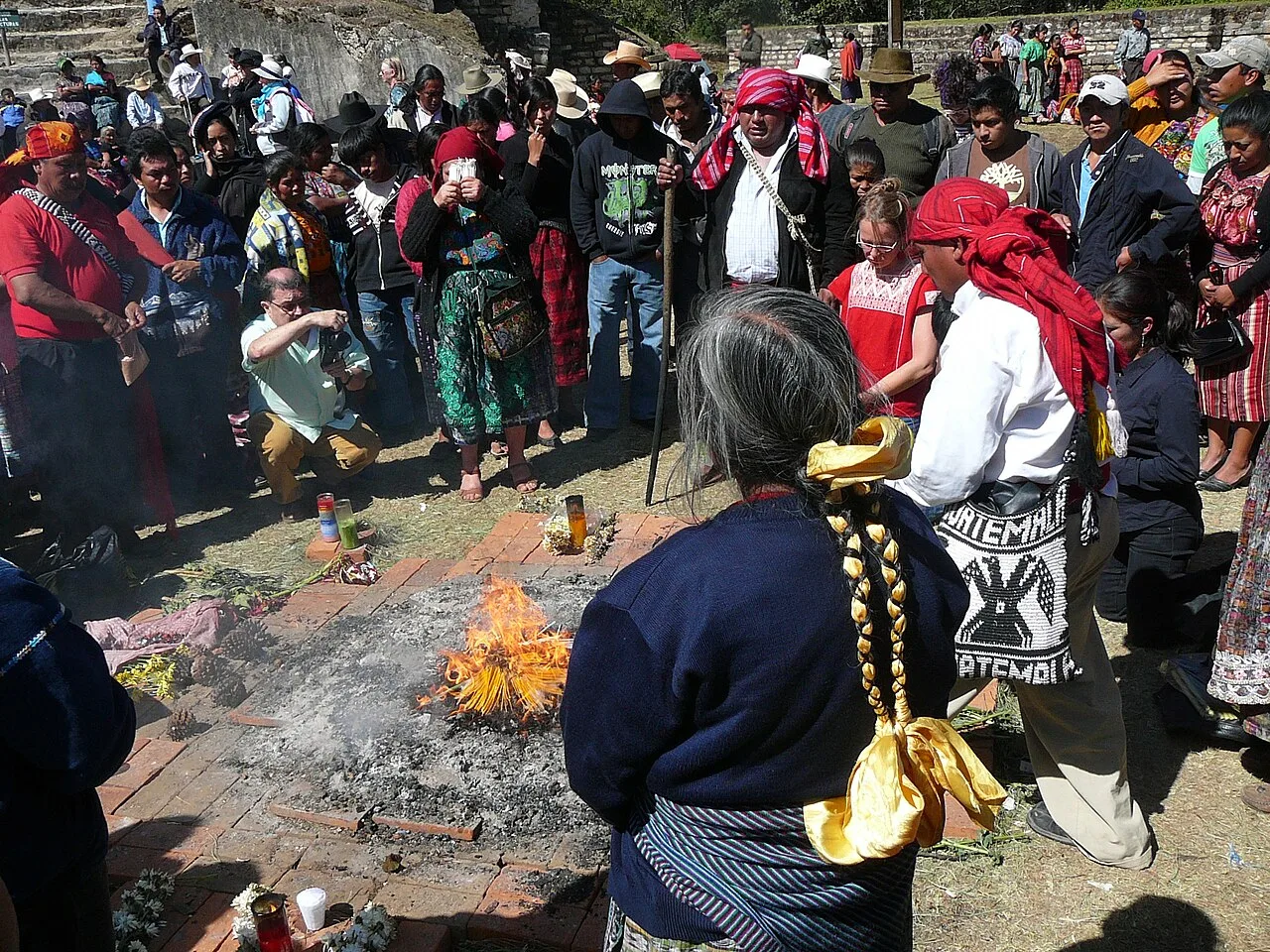
The Long Count's zero date corresponds to 11 August 3114 BC. That date was set at the end of the third world and the beginning of the current one. In the Maya Long Count, the previous world ended after 13 b'ak'tuns, or roughly 5,125 years. So the fourth world reached the end of its 13th b'ak'tun, or Maya date 13.0.0, on 21 December 2012. Festivities happened that day in Mexico, Belize, Guatemala, Honduras and El Salvador, with main events at Chichén Itzá and Tikal.
Mayan scholars stated that no classic Mayan accounts forecast impending doom, and that the idea the Long Count calendar ends in 2012 misrepresented Mayan history and culture. There is a strong tradition of world ages in Maya literature, but the record has been distorted, leaving several possibilities open to interpretation. The 5,126-year figure and the roughly 5,125-year figure both appear in the same account. The 260-day tzolk'in, still used among the Maya today, is a separate calendar and it is cyclical.
The doomsday reading was built on a real structure in Maya myth. The article is at en.wikipedia.org/wiki/2012_phenomenon.