Two gold rings pulled from a North Yorkshire stream were never meant to be found
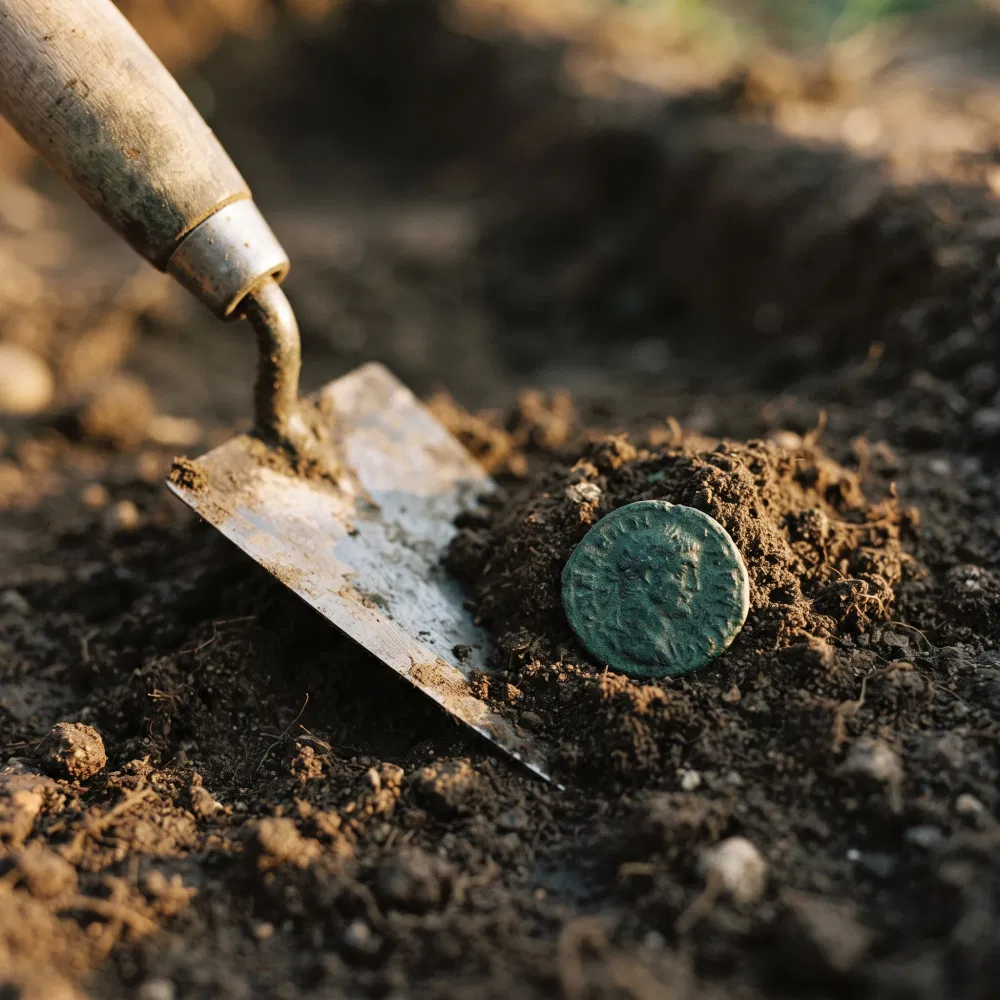
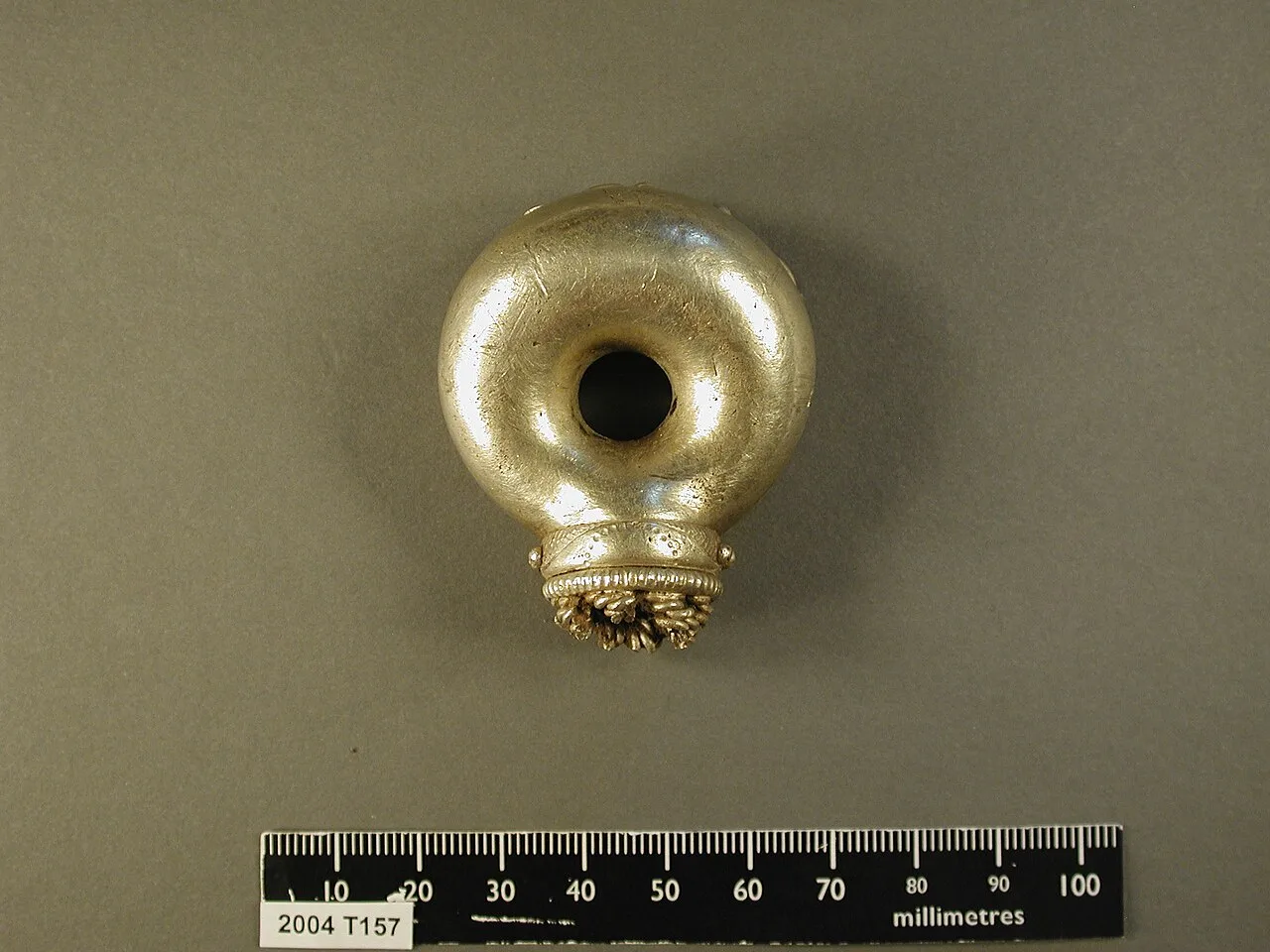
A metal detectorist working a stream at Towton, in North Yorkshire, pulled a twisted ring of gold out of the water in 2010. The next year, someone found a second one in the same stream. They are torcs: rigid metal rings worn round the neck or arm in Iron Age Europe, the kind of thing that marked you out as important rather than being everyday jewellery. Iron Age Britain runs from roughly 800 BC to the Roman conquest in AD 43, so these were already old when the Romans arrived.
They are small and heavy. The first is 75.1mm across, about the width of an adult's palm, and weighs 67.7g, roughly the weight of seven pound coins. It is two strands of gold wire twisted together with the ends looped back, and the metal is 80 to 84% gold, 12 to 14% silver, with at least 4% copper. The second torc is four strands twisted together. The Yorkshire Museum's own description puts it plainly: "Both torcs are gold alloys and formed from a twisted wire with looped terminals." You can see the pair here: yorkshiremuseum.org.uk/collections/collections-hig…
What makes them more than a lucky find is where they came from. Across Britain and Europe, Iron Age metalwork turns up in rivers, bogs, springs and lakes far more often than it does in houses or graves. The objects are usually intact, and the same kinds of places keep coming up, which is why archaeologists read it as deposition: putting metal into the water on purpose, not dropping it by accident. Streams also cut into their banks and expose old metal, which is exactly why detectorists walk them. Two gold rings in one small stretch of water is a strong hint that this spot was chosen.
Why people did it is genuinely open. An offering to a god, a gift to the water itself, a way of marking a promise: the case for any one answer rests on how intact the objects are and how often the same spots repeat. Whether these two sat on an arm or a neck is open too. The museum calls them bracelets, and at 75mm across they would sit more comfortably on a forearm than a throat.
The practical ending is very British. The finds were reported and declared treasure, the legal process where precious metal gets assessed and offered to a museum, which then has to pay market value for it. The Yorkshire Museum launched a public appeal to raise the £60,000 needed, and acquired the torcs in November 2013. They are in York now, catalogue number SWYOR-CFE7F7, and the stream at Towton has presumably been walked very slowly ever since.