The Yellow Pages were yellow by accident. The headings were the invention.
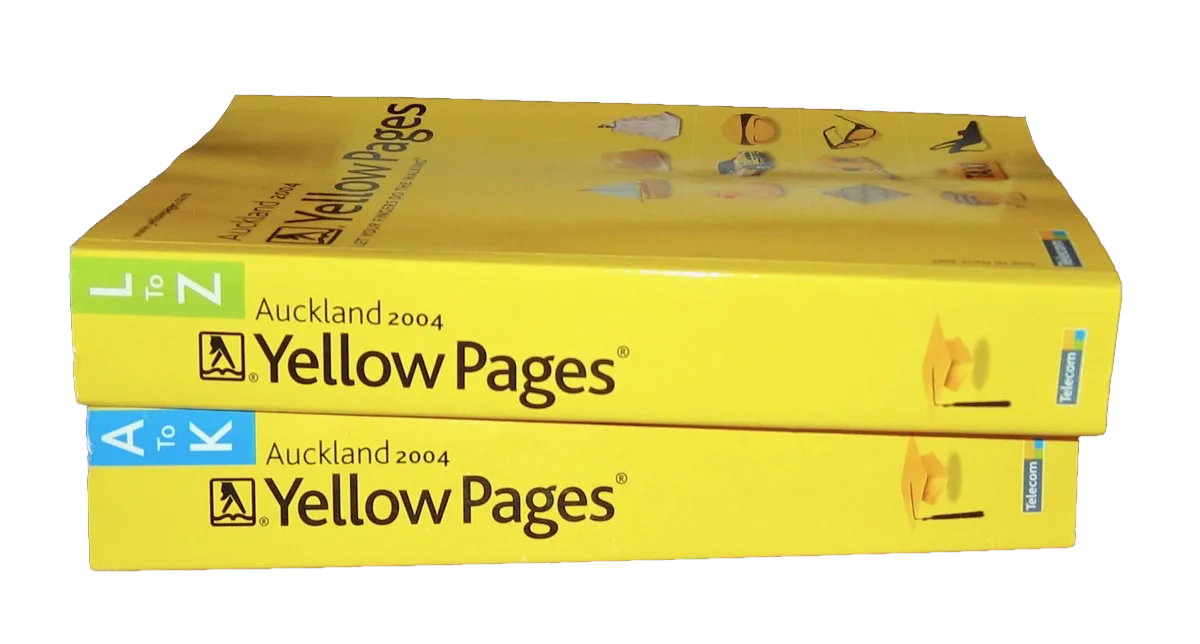

In 1883 a printer in Cheyenne, Wyoming ran out of white paper and used yellow stock for a business listing. The colour stuck, and a century later it was a brand. The part worth keeping is what happened three years afterward: in 1886 Reuben H. Donnelley published a Chicago directory that sorted businesses under trade headings such as locksmiths and plumbers, and that decision, not the paper, is why you could find anyone at all.
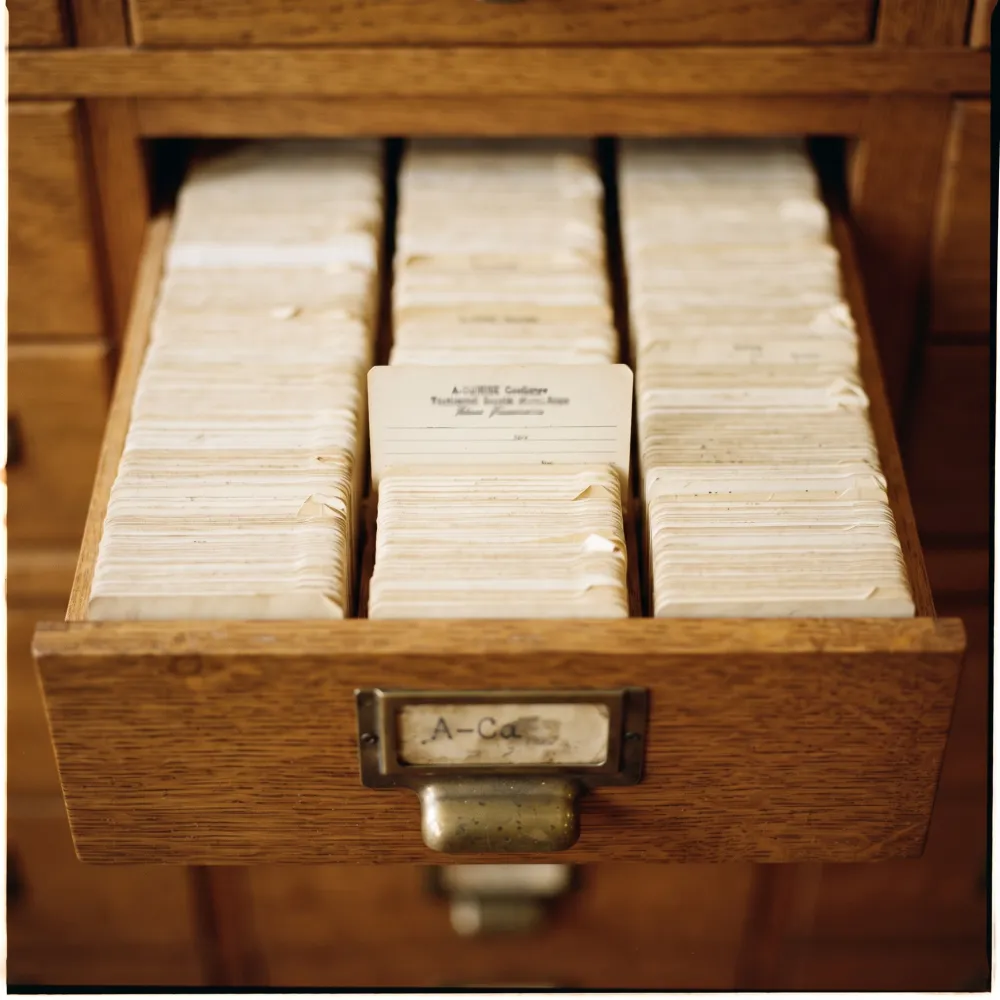
Start with what a telephone directory was before that. On 21 February 1878 the New Haven District Telephone Company in Connecticut issued what is usually called the first one: a single piece of cardboard listing 50 names, with no numbers attached, because operators connected every call by hand. Listings after that ran alphabetically by the subscriber's name. If you wanted a plumber, you had to already know a plumber's name, which is a strange requirement for a book whose whole purpose is finding people you do not know.
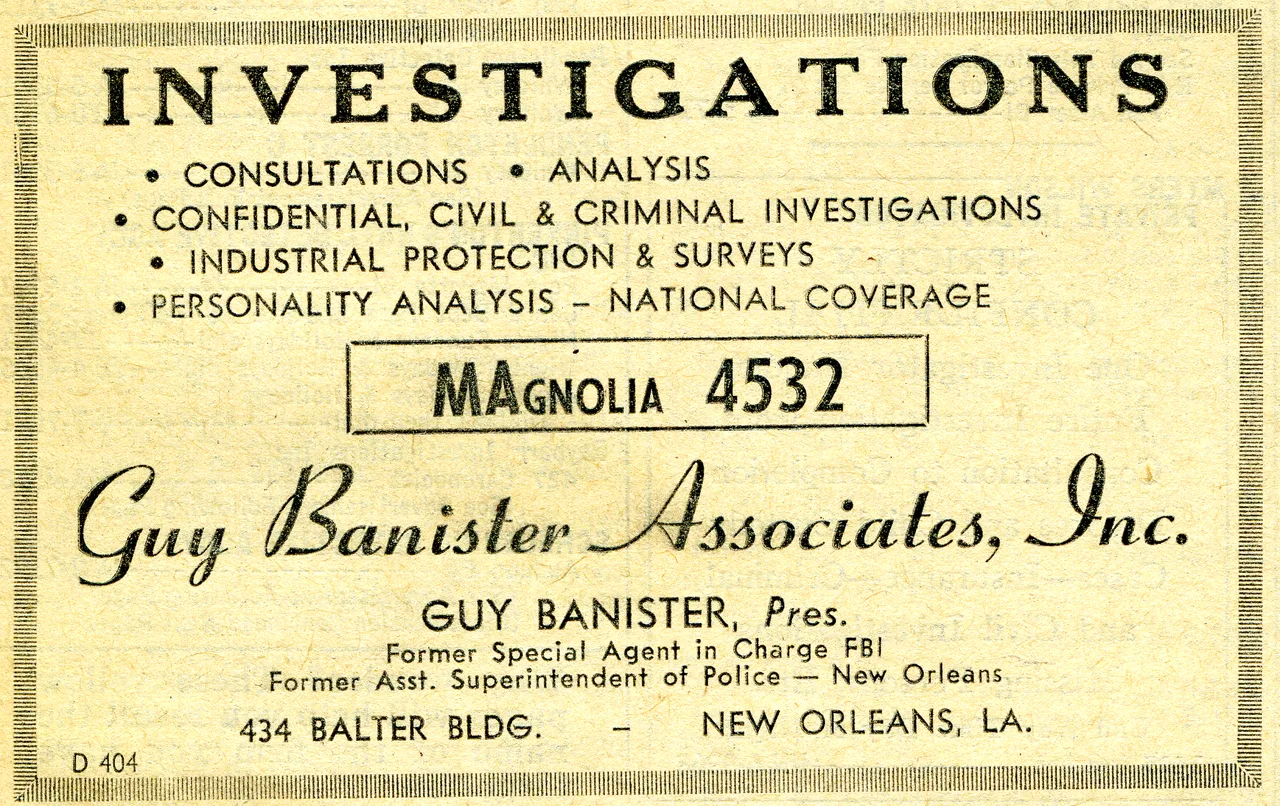
Donnelley's change was to add a second way in. A trade heading is a controlled label, one agreed word like Plumbers, under which every business doing that work is gathered no matter what the firm calls itself. The full set of those headings, and how they nest inside one another, is a taxonomy, and it decides what can be looked up and what cannot. Look up by need instead of identity and a whole class of questions becomes answerable. It also creates a new way to vanish: a business filed under the wrong heading, or under none, is effectively not in the book. The Wikipedia article on business directories credits the scheme plainly, saying Donnelley created "a taxonomy of business categories (e.g. locksmiths, plumbers) that would influence data structures for the next century" (en.wikipedia.org/wiki/Business_directory).
The habit outlived the paper. Yahoo! Directory in 1994 and the Open Directory Project in 1998 both paid human editors to sort sites into hierarchical trees, which is the same job as a heading list with a different substrate. The strangest descendant is geographic. In 1995 a company called Zip2, co-founded by Elon Musk, tried to put businesses onto digital maps, and the maps of the day understood street segments but not individual street numbers. So its engineers used linear interpolation: to place 123 Main St they calculated that it sat roughly 23 percent of the way along the known 100 to 200 block, and dropped the pin there. A category heading and an interpolated coordinate are both guesses about where a thing belongs, made in advance, by someone who is not the person doing the looking.
One caution about the origin story. The Cheyenne paper shortage is repeated everywhere as fact, and "first official Yellow Pages" is as much a company claim as a documented event. What is not in doubt is the retrieval decision: somebody in 1886 chose the headings, and everyone since has been searching inside that choice.