A 2014 book put Tolkien on the same shelf as Shakespeare and Chaucer
In 2014 Wiley-Blackwell published A Companion to J. R. R. Tolkien, and the interesting fact is not the book. It is the series it joined. The Blackwell Companions to Literature and Culture already ran to roughly ninety volumes covering Shakespeare, Chaucer, Milton, Mark Twain and James Joyce, and a slot in that list is a standing decision about whose work belongs in a library reference room. Tolkien got one.
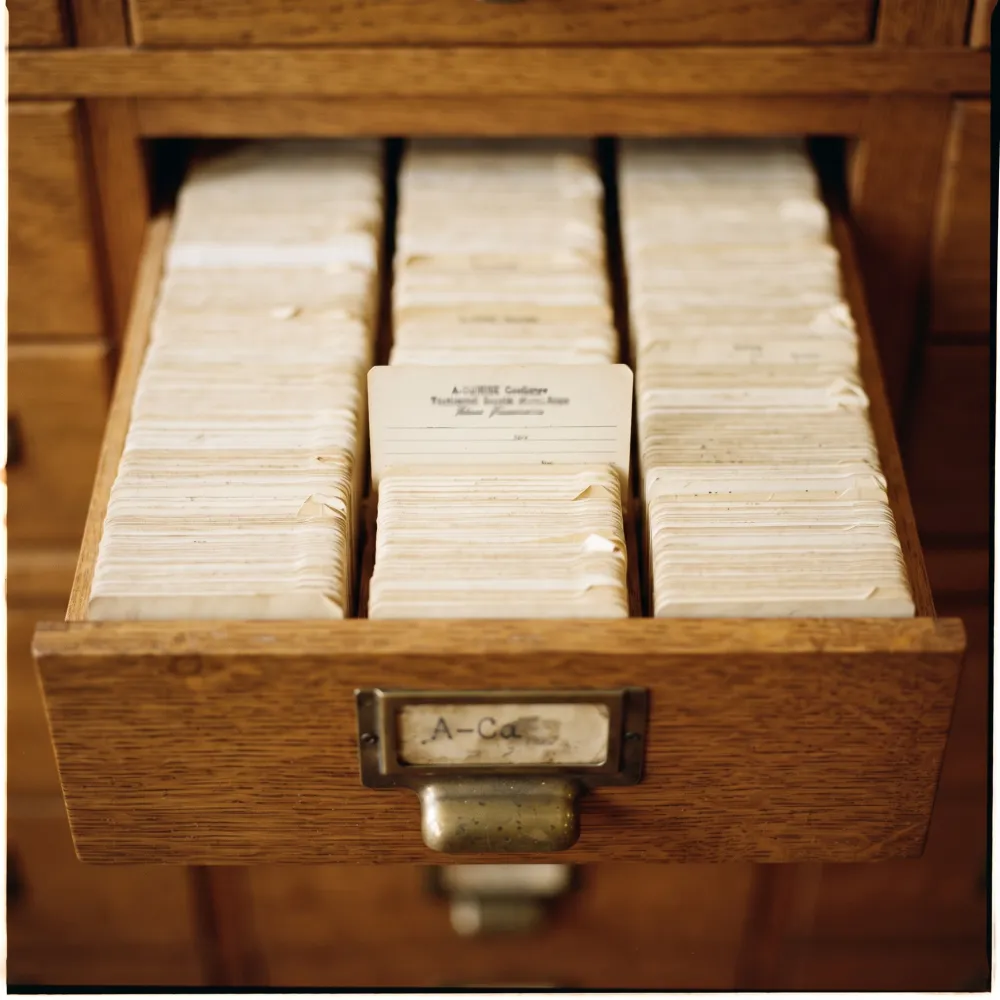
A companion volume is a reference book of commissioned essays by named scholars, one per topic, kept on the shelf for consultation rather than read straight through. Libraries order them by series name on the spine, which is why a slot does more work than a single editor's taste. The 2014 volume, edited by Stuart D. Lee, opens with a 12-page chronological table of Tolkien's life and works (1892 to 1973) and an editorial introduction, then divides into five parts: Life (one chapter, a brief biography by John Garth), The Academic (three essays, including Tom Shippey on "Tolkien as editor"), The Legendarium (fourteen contributions from Verlyn Flieger, Gergely Nagy, John D. Rateliff and others), Context (ten, including Elizabeth Solopova on Middle English and David Bratman on the Inklings), and Critical Approaches (twelve, among them Janet Brennan Croft on war and Dimitra Fimi on fantasy fiction). The five parts run to one, three, fourteen, ten and twelve essays, plus nine monochrome reproductions by Alan Lee, John Howe and Ted Nasmith in Christopher Tuthill's essay on art.
The reviews treated the volume as evidence rather than as a book. Jason Fisher, writing in Mythlore, called it "a sign of the growing maturity of Tolkien studies" and said it was time to "shake off this defensive note fifty years on" and ignore "those stodgy keepers of the canon who still dismiss Tolkien." Andrew Higgins, in the Journal of Tolkien Research, noted the distinguished line-up of contributors and called the admission joyous. Both reviews are at dc.swosu.edu/mythlore/vol35/iss1/10 and scholar.valpo.edu/journaloftolkienresearch/vo….
What tells you this was a slot and not an event is what followed. Hardback in 2014, paperback in 2020, a second edition in 2022: still on the shelf. A prize is awarded once and then belongs to the past. A reference series keeps its volumes in print because libraries keep buying them, and a second edition means the publisher decided the subject still had a market.
Whether the slot records a settled literary judgement or mainly follows where library budgets were already going is genuinely open. Nothing in the material separates the two, and no scholarly award is involved. What is clear is that the canonizing happened through a shelf, and that the shelf held.