Aspen trees that lived through one dry year make tougher leaves the next

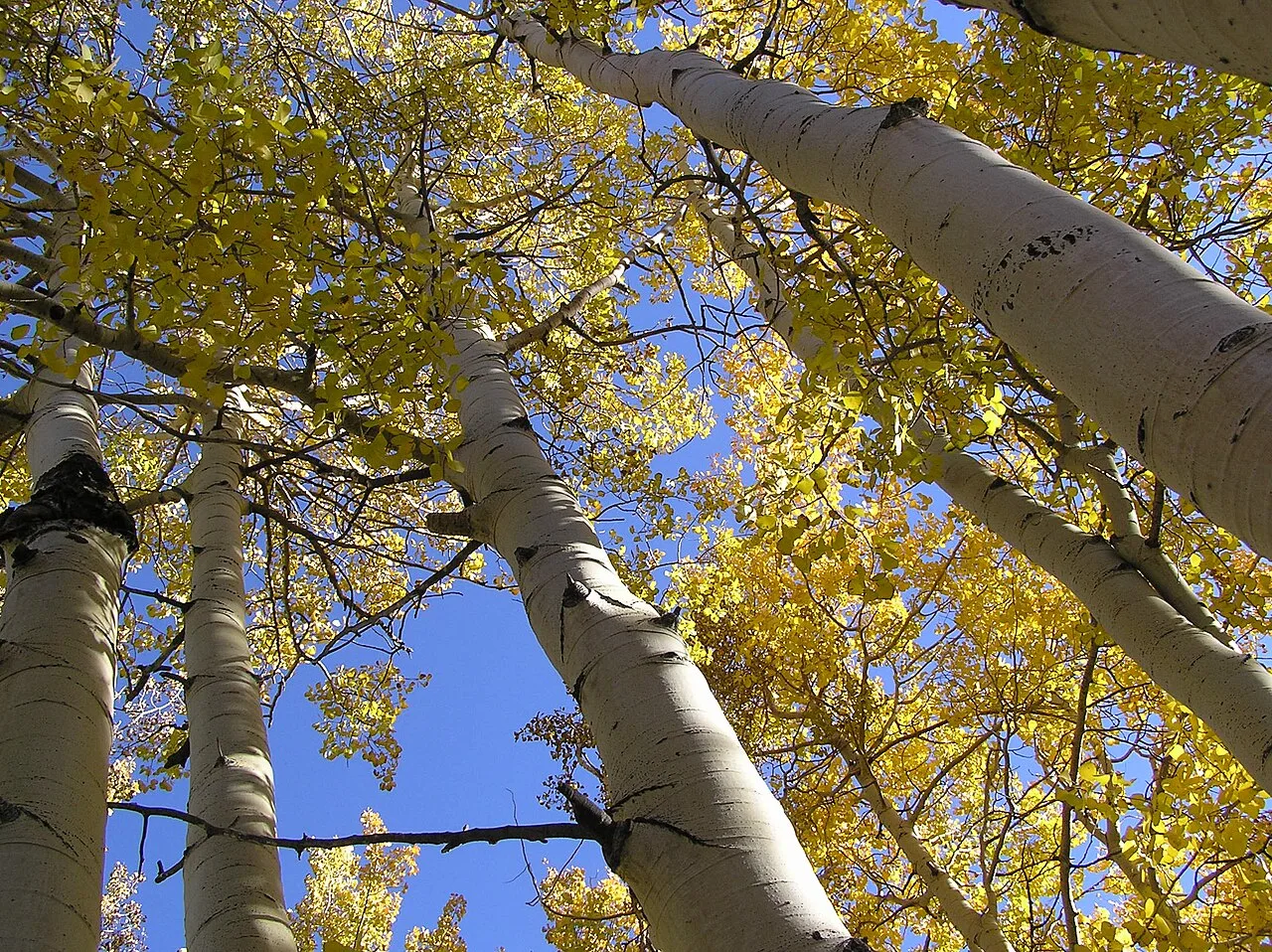
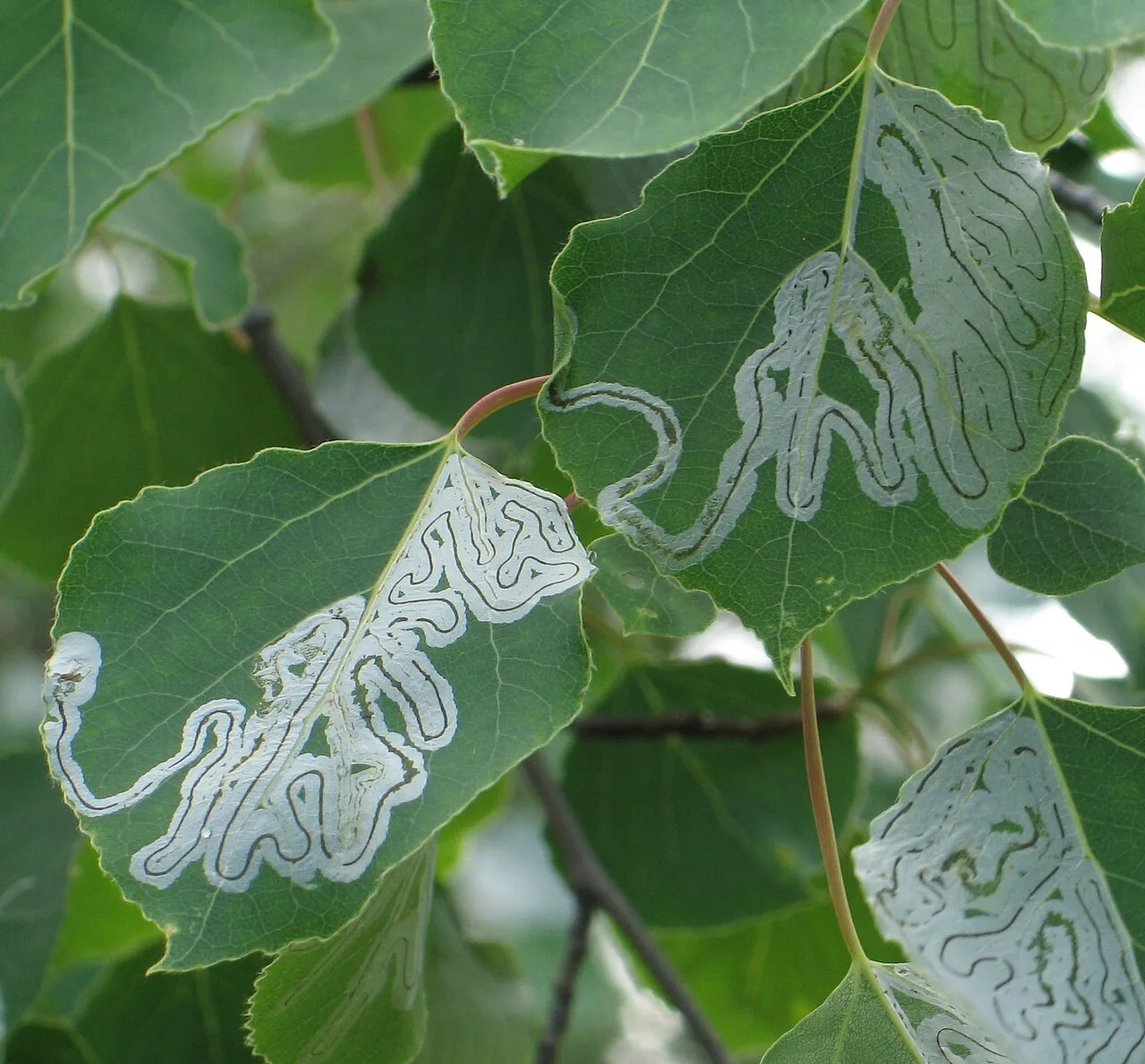
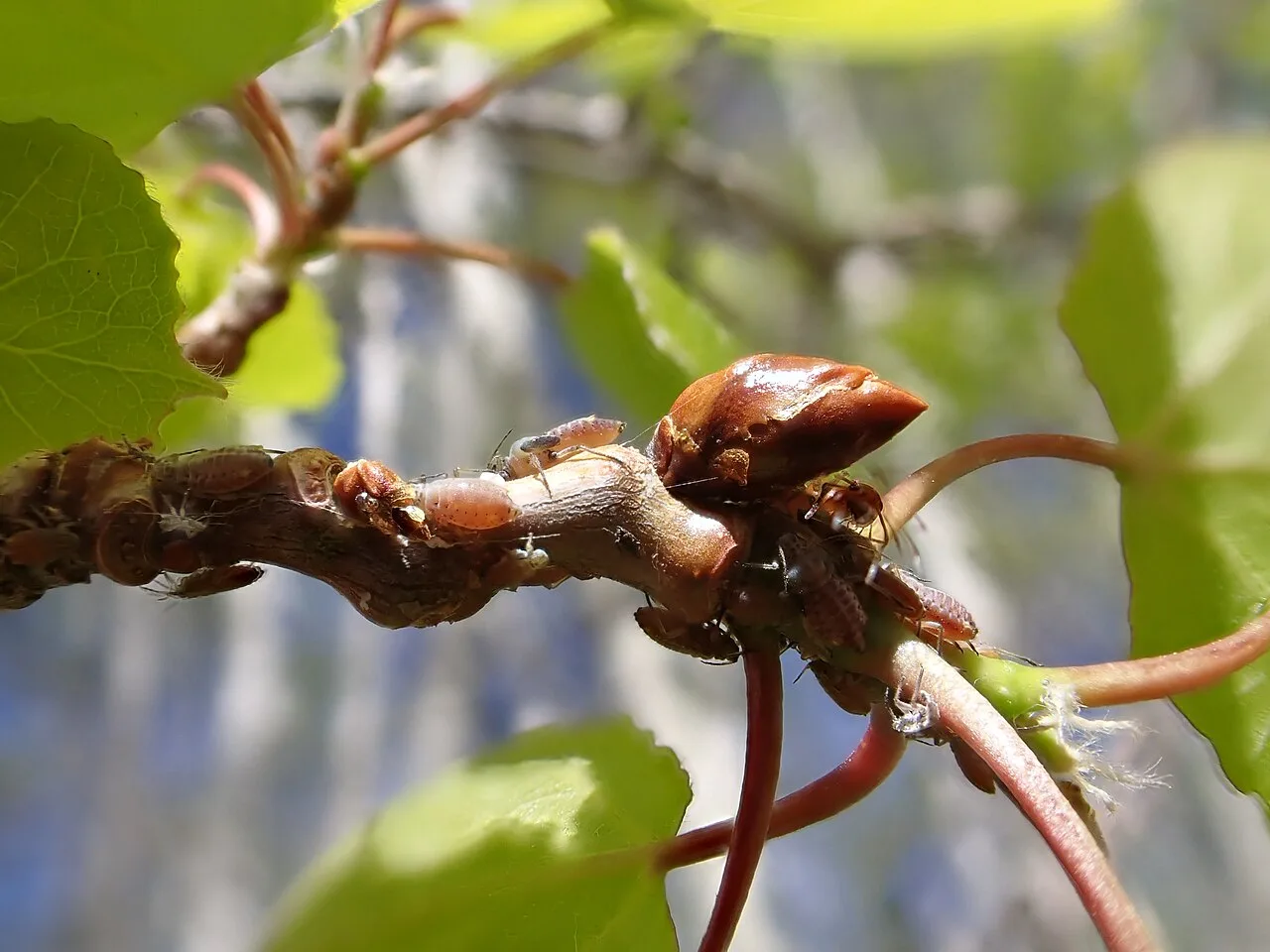
A grove of quaking aspen that went through a drought in one summer will put out leaves the following spring with more of the bitter chemicals that make insects and browsing animals leave them alone, even when the soil is wet again. That is the finding from a three-year experiment at the University of Utah, published in New Phytologist (nph.onlinelibrary.wiley.com/doi/10.1111/nph.71561). The trees appear to carry a chemical record of a past dry spell into new growth, which the authors call a functional memory.
Quaking aspen (Populus tremuloides) is the main broadleaf tree across much of the Mountain West and Utah's state tree. It grows in clonal stands, meaning a whole grove can be one genetic individual sending up identical stems. The species has been declining for decades as insects, disease, fire suppression and grazing let conifers move in. The experiment used a common garden: trees of known origin grown together under identical conditions, so any difference between them can be tied to past treatment rather than to where they came from. Some trees were deliberately droughted; the only thing separating them from the controls was that history.
The leaves that came out afterward carried higher levels of salicinoid phenolic glycosides, the bitter compounds that make aspen foliage unpleasant to eat. The fungal communities living on the leaf surface also shifted. Talia Karasov, a co-author who studies plant-microbe interactions, framed the question this way: "We wanted to understand drought not simply as an acute stress, but as an event that may reshape how trees interact with their biotic environment long after soils have rewetted." She noted that drought-year conditions alone do not explain all the delayed tree death seen in forests, which is part of why the team looked for a signature that outlasts the dry spell itself.
What the study measured is leaf chemistry and leaf fungi, not whether deer or caterpillars actually ate less. That link is the open question. So is how long the effect lasts; three years is a short window for a tree that can live a century. If the chemistry does translate into real browsing resistance, it would mean a stand's drought history shapes how it fares in the next dry year, and that repeated droughts might leave aspen better defended rather than simply weaker. The work was supported by field data collected in Colorado's White River National Forest in July 2023.