Westminster Abbey's grocery bills are one of the best records of medieval life

A list of the best history books published in the last 75 years includes one whose raw material is a monastery's shopping receipts. Barbara Harvey's Living and Dying in England, 1100-1540: The Monastic Experience came out in 1993, and it is built almost entirely out of the everyday paperwork of Westminster Abbey: what the monks bought, who they paid, and who they buried.
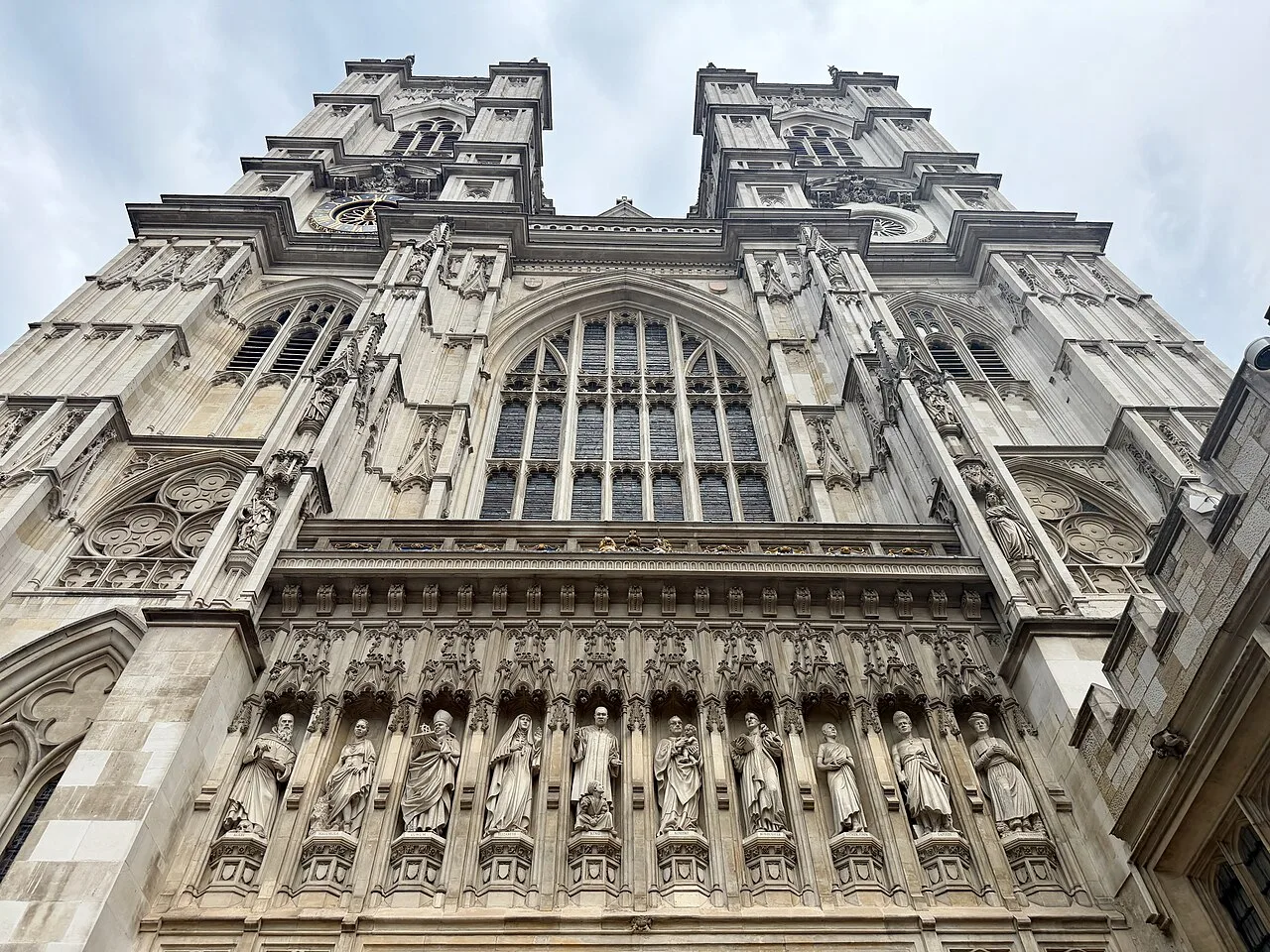
Westminster Abbey was not only one of the best-known monasteries in medieval England. It was a Benedictine monastery, a community of monks, and it also held lordship over the people who lived on its land. Like any big institution, it kept administrative records. Historians had used these documents for centuries, mostly to measure the abbey's wealth and its power over the people who lived on its land. The people themselves were mostly invisible in the numbers.
Harvey read the same documents for the people. She mined the records for the experience of the monks themselves. She looked at the abbey's employees and at the beneficiaries of its charity. She drew novel social history data out of the most conventional ground. James G. Clark, who chose the book for History Today's anniversary roundup, puts the point well: "Clark T he books that make a lasting impact are those that encourage us to return to the evidence with new questions." Harvey asked new questions of old accounts, and analysed their trends roughly 30 years before digital tools would have shouldered the burden.
The period she covers runs from 1100 to 1540. That is four and a half centuries of daily life recorded in administrative records. The book's sharpest limit is also its strength: Westminster is one of the best-documented monasteries in medieval England, and most others left nothing comparable. So its findings are a very rich sample of one. How far those trends hold for the rest of the country is still an open question. The anniversary list is at historytoday.com/archive/75th-anniversary-re….
What I like about Harvey's method is that it treats the boring document as the revealing one. An administrative record is not a chronicle, and it does not care whether anyone finds it interesting. That is exactly why it can tell you about ordinary lives when the chronicles were looking somewhere else.