Two brothers-in-law commanded the cavalry at Balaclava and wouldn't speak to each other
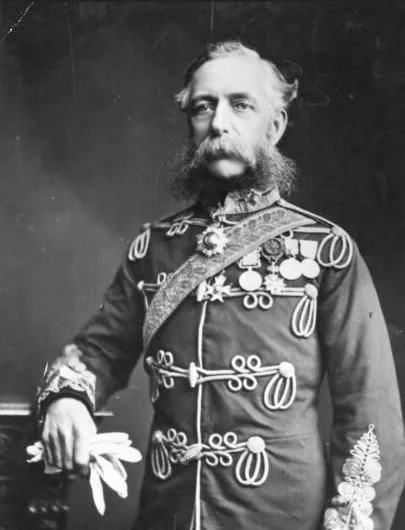
The Light Brigade rode into the valley at Balaclava, and the feud between two men who had been at odds for years ran underneath it. Lord Cardigan commanded the Light Brigade. Lord Lucan commanded the cavalry division, and Cardigan answered to him. Lucan had married Cardigan's sister. By 1854 the quarrel between the two men was long established, and it had already been fought out in courts and in society before either of them sailed for the Crimea.
The British army they commanded was not a meritocracy. Officers bought their commissions: a wealthy man purchased his rank and his command outright, like buying a business, so seniority tracked money and connections as much as competence. Cardigan, who commanded the 11th Hussars and is the man the knitted cardigan is named after, was a spectacular example. He was rich, he was fashionable, and he was litigious. The Rest Is History's new episode asks how disagreements within the high command destabilised the army on the road to Sebastopol, and why Cardigan was enraged by his orders. The show's framing puts the feud at the centre of the campaign rather than treating it as colour.
The mechanism at Balaclava was simple and lethal. Orders travelled by word of mouth, carried by aides-de-camp (junior officers who delivered messages by hand) between two men who would not talk to each other. When the order came down to attack, nobody went back and asked which Russian guns were meant. The Light Brigade numbered roughly 670 horsemen when it rode on 25 October 1854. About 110 were killed. The charge itself is usually told as one ambiguous order and a tragic mistake. The feud did not cause it alone, but it helped make sure nobody clarified the target.
Before Balaclava there was the Alma. On 20 September 1854, the Anglo-French force fought its first big battle of the campaign on the road south to Sebastopol, and the feud ran underneath the fighting. Raglan, the British commander, had served on Wellington's staff at Waterloo and lost an arm there. He was trying to coordinate an army whose senior cavalry officers were barely on speaking terms. The episode leaves hanging the question of whether Cardigan would abandon his brigade before its deadliest charge. If you want the full account, it's at therestishistory.com.