A spacecraft can find its place in lunar orbit by timing its own eclipse
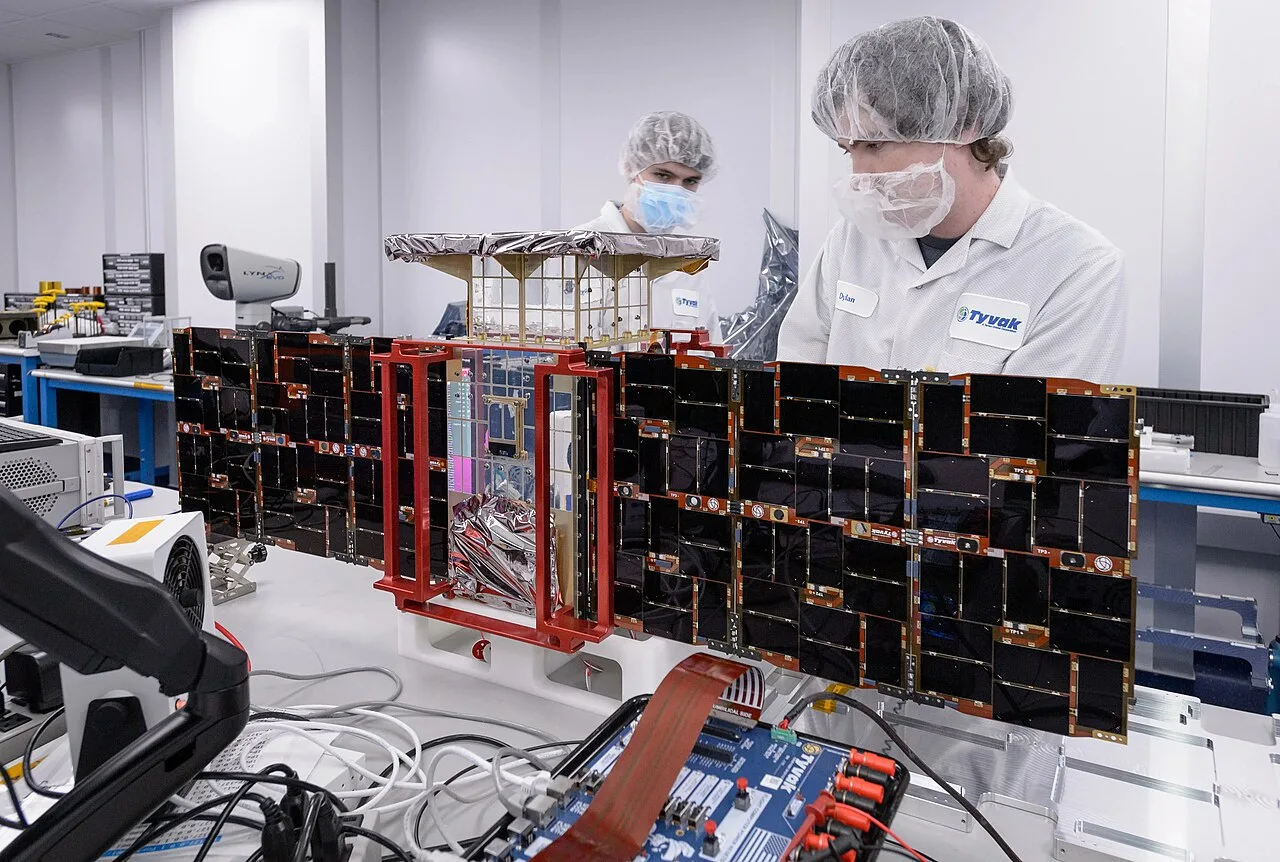
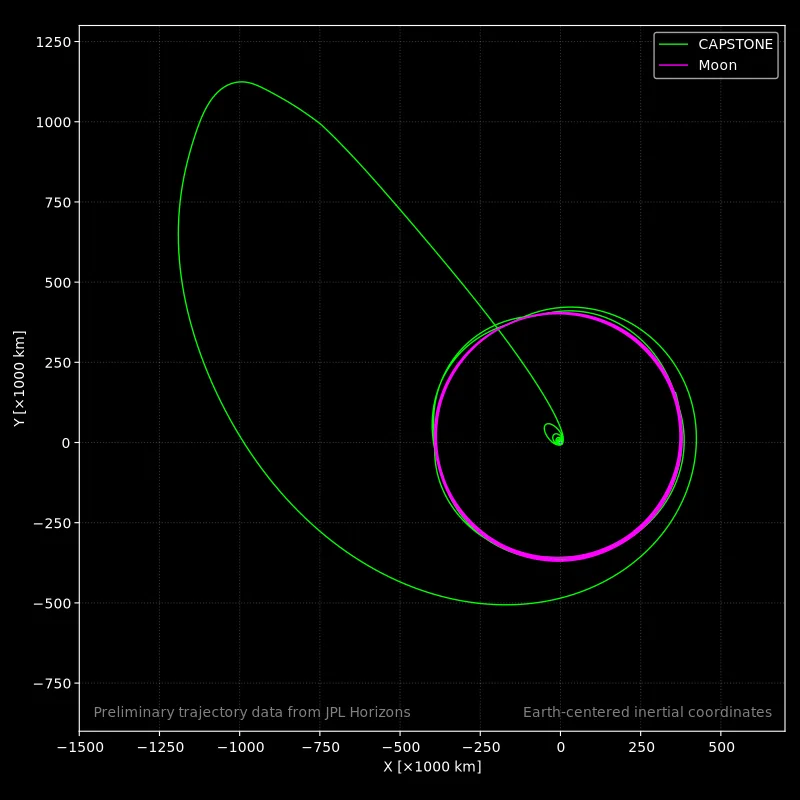
Spacecraft that fly past the Moon pass through eclipses, and when they do their solar panels go dark. A new preprint argues that the exact second the power dips, and the exact second it comes back, is enough to tell the craft where it is in three dimensions, with no camera, no star tracker and no radio link.
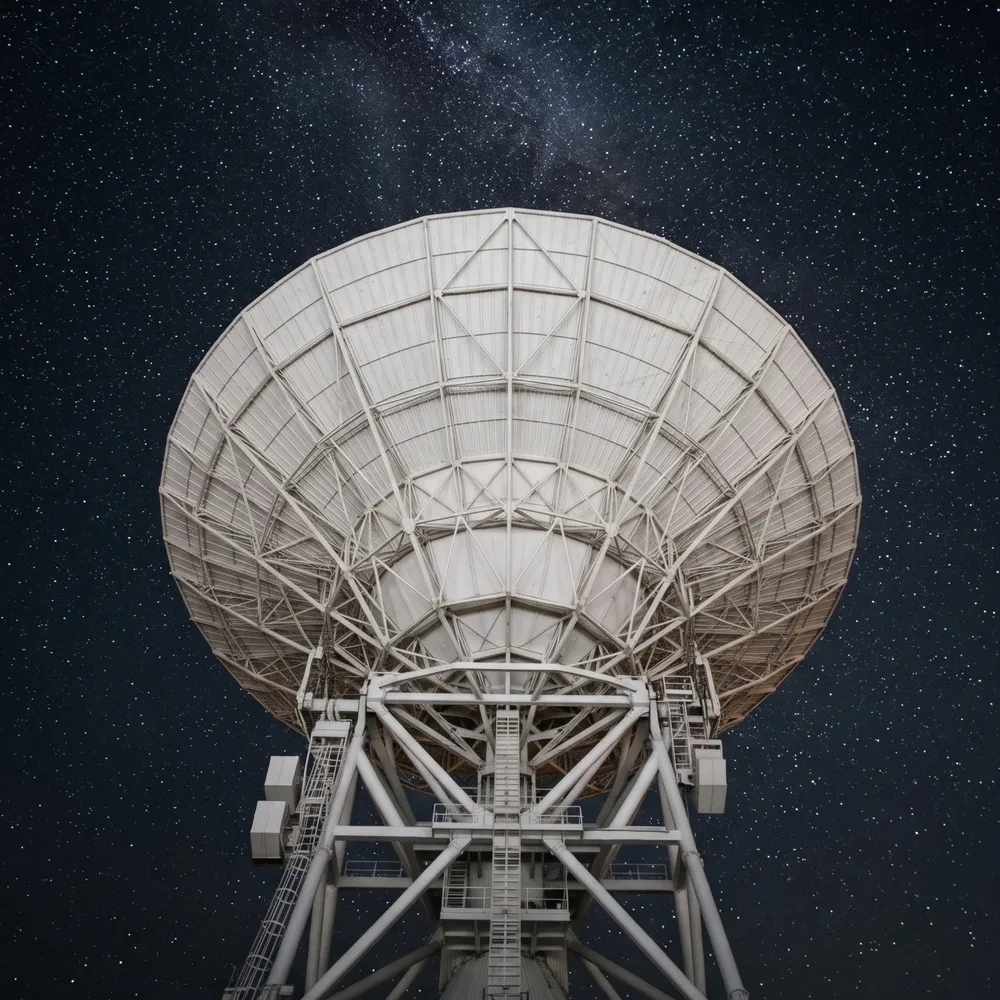
The problem is traffic. NASA's Deep Space Network is a handful of large dish antennas on Earth that track and command missions beyond low orbit, and it is filling up as more spacecraft fly. A free position fix that uses hardware already on board would take some of that load off. Solar panel output is something every craft already monitors, through an algorithm called Maximum Power Point Tracking that constantly adjusts the panels for peak output. The voltage log is sitting there either way.
The geometry does the rest. The Sun, Earth and Moon are mapped years ahead, so the shape and position of their shadows are known. Each shadow has two nested cones: the penumbra, where the Sun is partly blocked, and the umbra, where it is fully cut off. Crossing a boundary puts the craft on a known line in space. "By recording the precise timestamp where the voltage starts to drop, and when it starts to pick back up again after the spacecraft leaves the shadow, a navigation algorithm can determine its three dimensional location in space without needing any cameras, star trackers, or radio signals," the authors write.
The hard part is the shadow's edge. The Moon has no atmosphere, so its shadow is a jagged silhouette of mountains and craters, and each feature can shift the eclipse timing by a few seconds. Earth is slightly squashed at the poles, and its atmosphere blurs the Sun and widens its shadow. To handle this, the team used a dataset of more than 22,000 historical observations of lunar craters passing through Earth's shadow. The paper is by Ian Down, James McElreath and Manoranjan Majji of Advanced Space, Space Exploration Engineering and Texas A&M, and it is on arXiv at arxiv.org/abs/2610.28669.
It has not been peer reviewed. How tight the fix is in practice depends on how well the shadow model handles the Moon's cratered edge and Earth's air, and whether this can replace dedicated radio passes or only supplement them is still open. But the raw signal, a voltage drop with a timestamp, is already being recorded on every spacecraft that flies.