A 1677 Alchemy Manual Tells You How to Make Gold in 15 Pictures and No Words
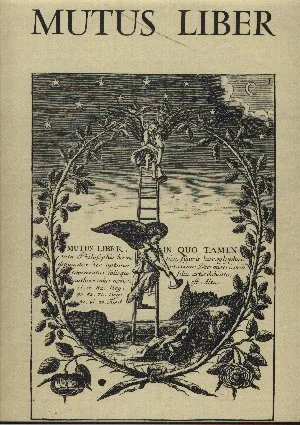
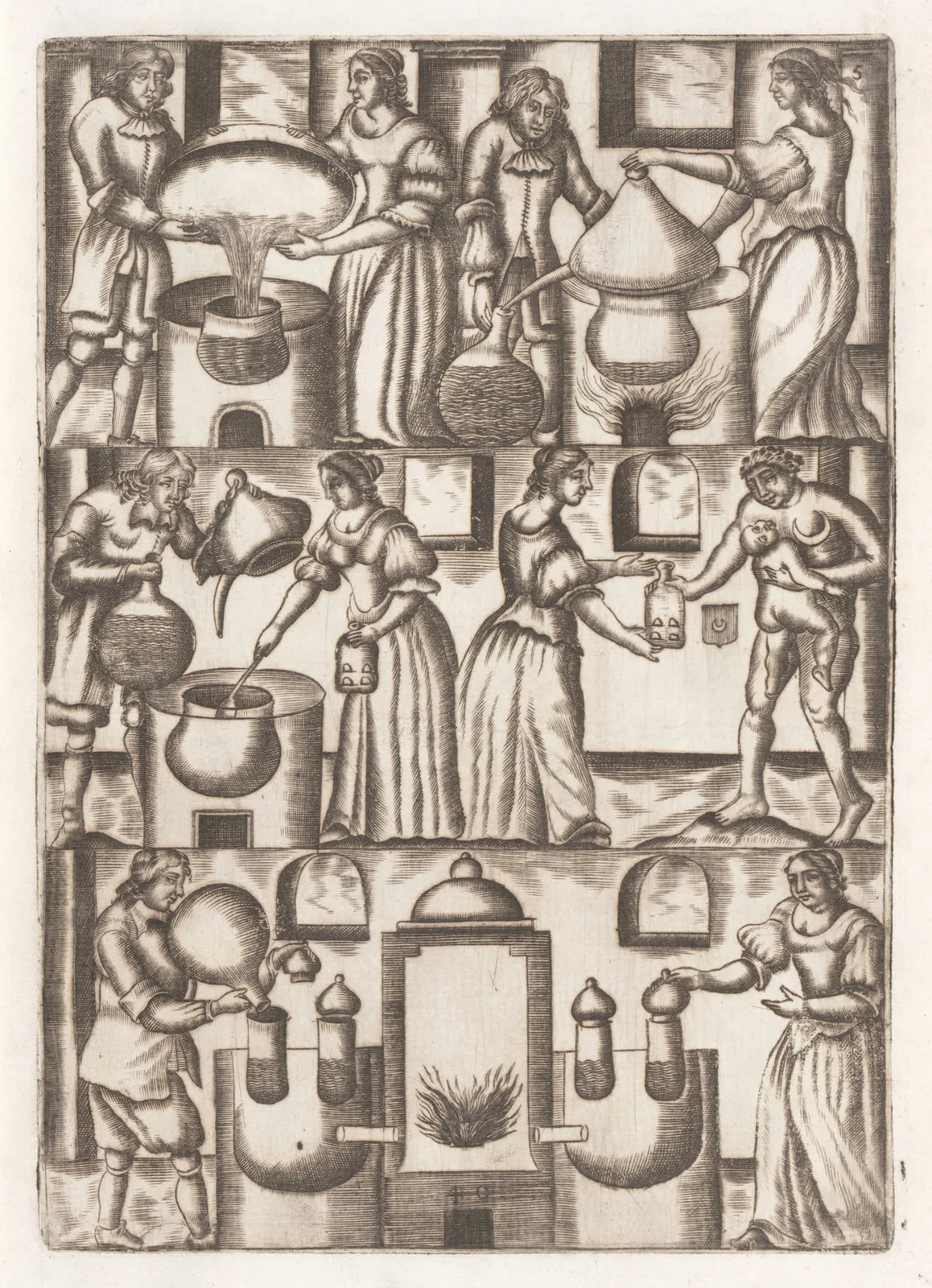
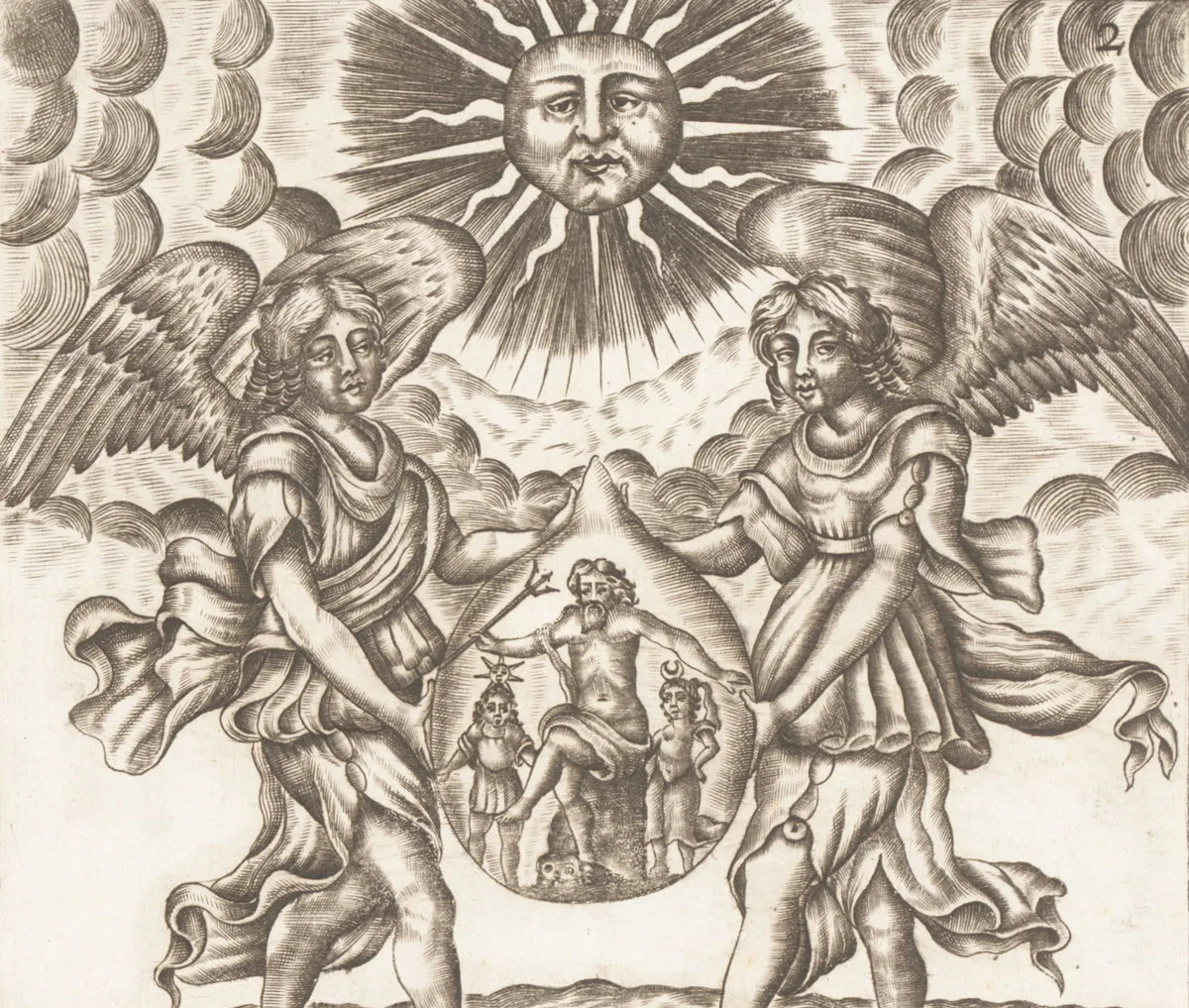
Plate one of the Mutus Liber shows a man asleep at the foot of a ladder that reaches to heaven, with angels going up and down it. One angel is blowing a trumpet directly into his ear. The caption says the author, who calls himself Altus, has made "hieroglyphic figures" to teach the "hermetic philosophy", and then the book stops explaining itself. Fourteen more plates follow. There is almost no text. It is a how-to manual for the Philosopher's Stone, the legendary substance that turns lead into gold, written for people who already know the recipe.
Alchemy was the pre-chemistry tradition that tried to transmute metals and purify matter, and its books were often written to be deliberately obscure, so that only insiders could follow them. The Mutus Liber (Latin for "Mute Book") takes that habit to its logical end: the silence is the method. You can see the whole thing digitised at the Public Domain Review (publicdomainreview.org/collection/mutus-liber). What is striking is that the plates do describe real bench procedures. Plate 4 has you leave a cloth outside overnight to collect dew. Plate 5 distills it, meaning boil the liquid and condense the vapour to purify it, then ferments the residue. Plate 7 combines distillates to make ammonia and cream of tartar (an acid salt scraped from wine barrels), then binds mercury to antimony using iron. Plates 9, 10, 12 and 13 stage timed exposures, a ten-day wait, and a second recombination. Plate 14 mixes saltpeter, ammonium chloride and coal, which after three days yields the white stone and the red stone. These are real chemicals, obtainable in any seventeenth-century workshop, aimed at an impossible goal.
The modern alchemist Eugène Canseliet read even the trumpets on plate one as chemical code. "Since the trumpets are both igneous and vitreous," he wrote, "they represent saline, and the two angels are a metaphor for the 'cohobation of the spirit on the material'." Cohobation means pouring a distilled liquid back over its own residue and distilling it again, over and over. Canseliet also claimed you have to read the numbers and letters under the title backward for the full effect. Whether the plates encode one coherent procedure or a set of overlapping allegories is still unsettled. It hinges on how literally to take the sequence, and on whether Canseliet's backward-reading was a genuine tradition or his own invention.
Readers have also seen the paired figures throughout the plates as Nicolas and Perrenelle Flamel, the fourteenth-century Parisian couple said to have made the stone. Nicolas was a real scribe and manuscript dealer; his tombstone can be visited today at the Musée de Cluny in Paris. The book long taken as his own account of the discovery, the Exposition of the Hieroglyphicall Figures, was first published in 1612 and made him alchemy's most-cited master. It was a seventeenth-century fake. There is no evidence the Flamels were alchemists, or that they had any fortune beyond what a scribe and an heiress could accumulate. The tombstone is real. The alchemy is not. The Mute Book, meanwhile, keeps its mouth shut, and 350 years of readers have kept arguing about what it is trying to say.