When a bee colony reproduces, the mother flies off and leaves the house to the kids
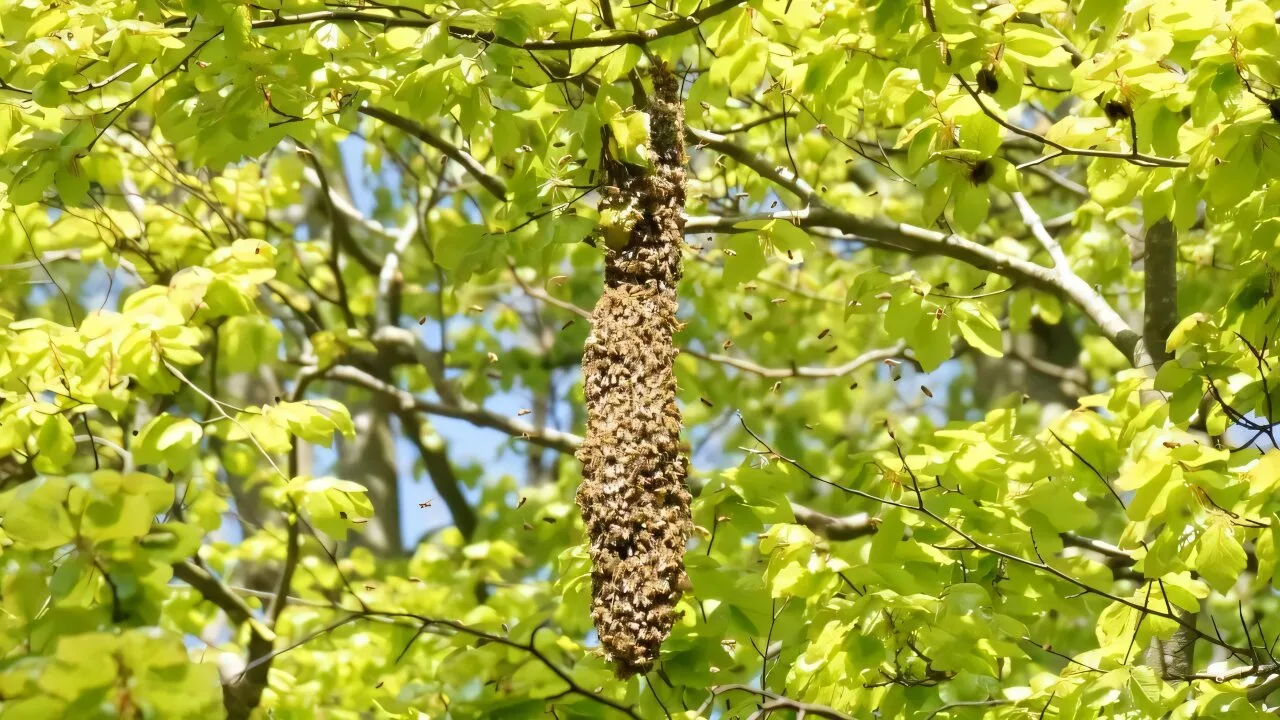
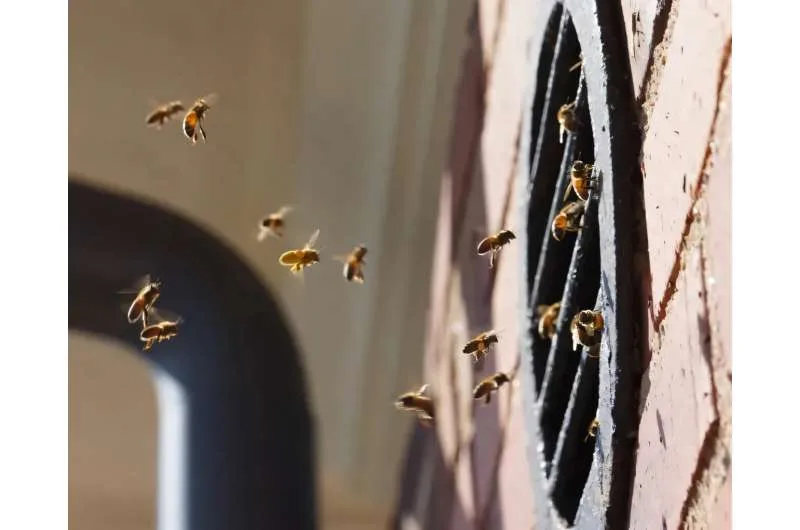
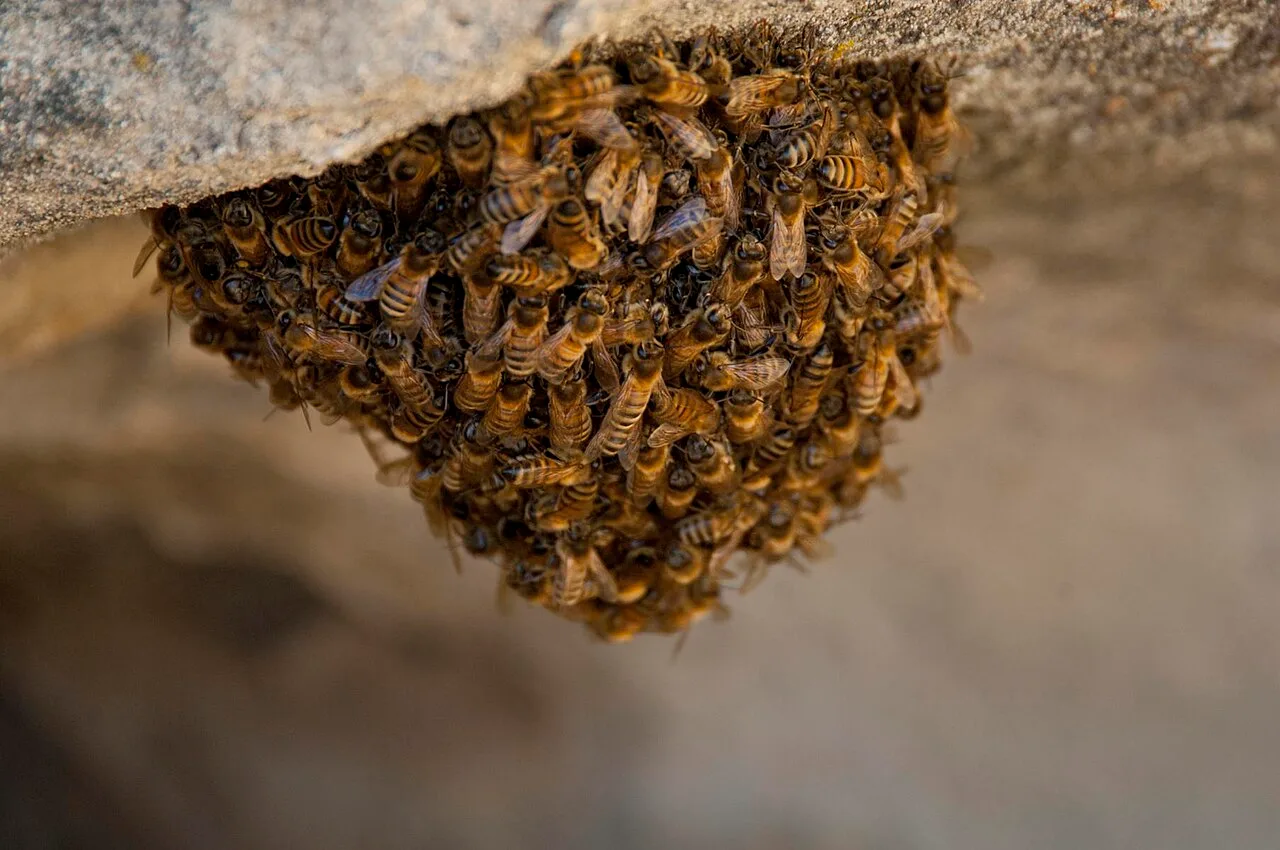
A honey bee colony that swarms does something strange. The old queen and about half the workers fly off to a new nest site they have never seen, while a new queen and the remaining workers stay behind in the old hive. The parent takes the risk; the offspring get the house. Hannes Bonhoff, who recently finished a master's in biology at Lund University, and Heikki Helanterä, a professor of evolutionary biology and genomics at the University of Oulu in Finland, argue in a new paper in Insectes Sociaux that this is best understood as parental care, and that the whole colony is best understood as a single organism.
A superorganism, in this framing, is a colony treated as one animal, the way a body is treated as one thing made of cells. According to the conventional count, a colony is one queen, 200 to 300 drones and tens of thousands of worker bees, each with its own tasks. Bonhoff and Helanterä say the colony also lives and dies like an individual mammal: it develops from a single bee through embryo, juvenile and adult stages, ages, and dies after a few years. Reproduction is swarming, and the authors describe it as care pushed to the point of self-sacrifice. "Parental care therefore goes so far that the offspring inherits the mother's nest, while she herself risks her life by swarming away to settle elsewhere," Bonhoff says.
The asymmetry is what makes the idea concrete. The daughter colony inherits the nest, the stored food, the built comb and experienced workers who already know the local flowers and the waggle dance, the figure-of-eight movement bees use to tell nestmates where food is. The parent colony leaves with half its workforce and its old queen, and must find a new site and build from nothing. That is a lot of investment in offspring that are not, in the usual sense, its children.
The beekeeping tension is where this touches the ground. Standard practice works against swarming: beekeepers manage colonies to keep them from reproducing, because a swarm takes half the workers and the honey crop with it. If the colony is a superorganism with its own life cycle, then preventing swarming is not just a management choice; it interrupts a reproduction the paper treats as central to the colony's biology. The phys.org summary is truncated before the beekeeping implications are spelled out, so how far the authors push that argument is not clear from the excerpt.
The paper is a conceptual reframing, not new field data, so whether it changes anything depends on what testable predictions follow from it and whether those hold up. The superorganism idea is old in biology, but applying it to the specifics of swarming, inheritance and colony death gives it something to be tested against. The paper is at link.springer.com/10.1007/s00040-026-01124-7.