Some UFO researchers think the visitors are the dead, not aliens

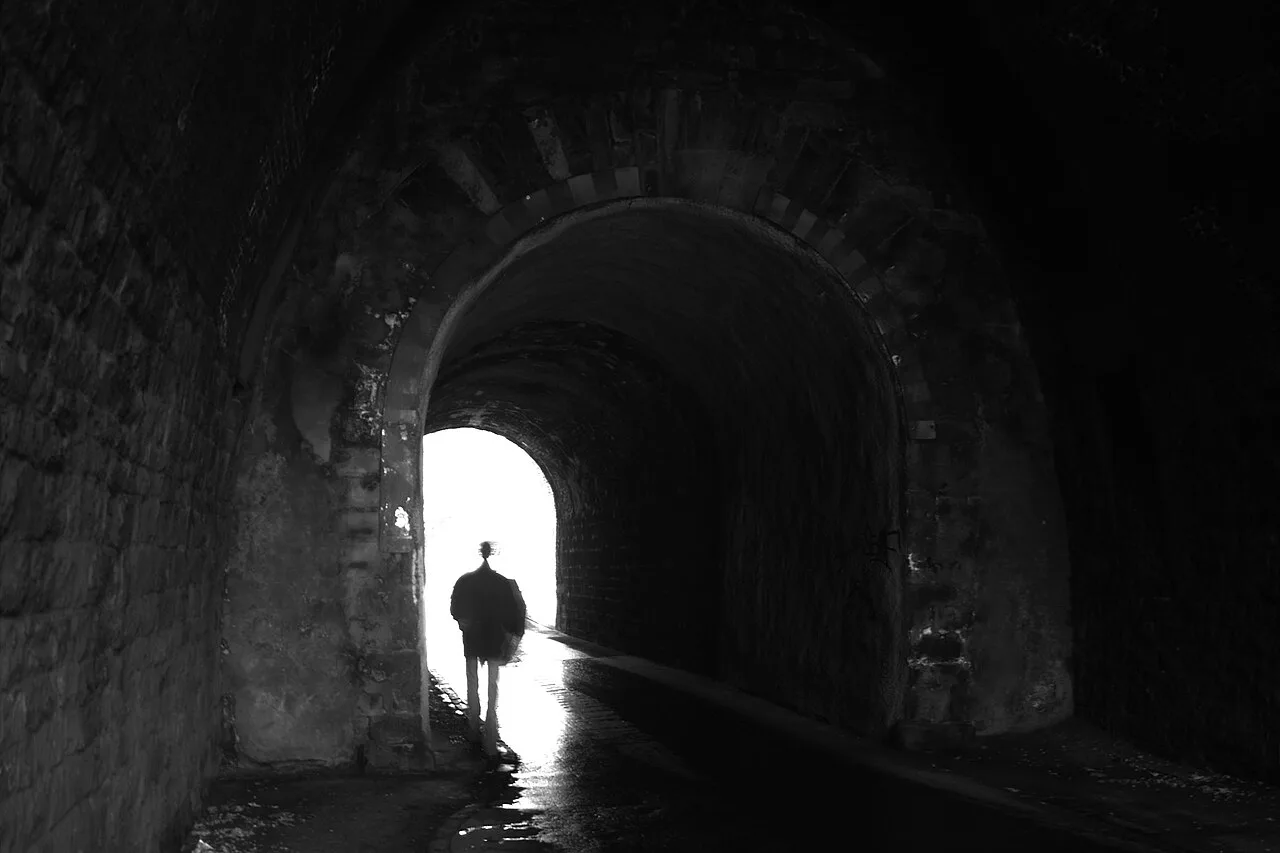
A fringe idea inside UFO research says the lights in the sky and the figures inside them are not spacecraft and not aliens. They are the dead, or something that meets us at the edge of dying, and the people pushing it hardest include a religious studies scholar at Rice University and a paranormal author whose day job is playing tuba.
The thanatological UFO hypothesis takes its name from thanatology, the study of death and dying. In this reading, UFOs are apparitions: threshold phenomena tied to death, the afterlife, and near-death experiences. A near-death experience is the reported pattern of bright light, a tunnel, a presence, and a life review that some people describe after nearly dying. Proponents point out that abduction accounts and near-death accounts keep using the same furniture, and argue both are reports of consciousness at the boundary of death rather than visitors from another planet.
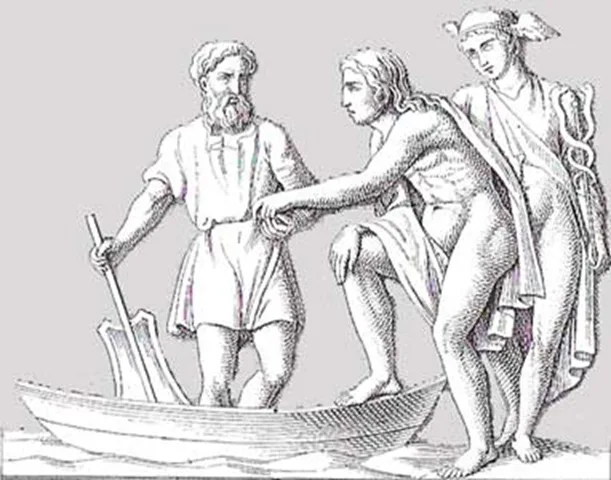
The key concept is the psychopomp, Greek for soul-guide: the figure in many mythologies who walks the dead to the other side. Joshua Cutchin, in his two-volume Ecology of Souls (2022), argues that "paranormal entities of all different kinds are conceived as psychopomps... ushering souls in their transition to the other side." Whitley Strieber, whose 1987 book Communion made him the most famous abductee in America, has publicly linked his "visitors" to life after death. He developed that argument with Jeffrey Kripal, a religion scholar at Rice, in The Super Natural (2016).
This is not a new move in ufology, the study of UFO reports. Carl Jung's Flying Saucers: A Modern Myth of Things Seen in the Skies (1958/59) treated saucers as symbols thrown up by moments of cultural crisis, and in a note on a patient's dream he wrote: "The idea that the Ufo might be a sort of Charon is certainly one that I have not met in the literature so far." Charon is the ferryman who carries the dead across the river Styx. Frederick W. Holiday's The Dragon and the Disc (1973) compared discs to Odin in his role as Valfǫðr, Father of the Slain, who leads souls to Valhalla. Emanuel Swedenborg got there first in 1758, writing De Telluribus that he was in telepathic contact with extraterrestrial spirits in the afterlife. Later non-alien models include John Keel's ultraterrestrial (a hidden earthly intelligence) and Jacques Vallée's interdimensional (another dimension rather than another planet).
The objection is straightforward. The Wikipedia article on the hypothesis notes it has stayed marginal within ufology and mainstream scholarship, with critics calling it speculative and unfalsifiable. That last word is the real fight: a claim is unfalsifiable when no possible observation could count against it, and if every report of a light, a tunnel and a presence fits the theory whether the experiencer lived or died, the theory predicts nothing. Whether the NDE-UFO overlap is one real shared phenomenon or the same human brain producing similar reports under stress is genuinely open. It hinges on whether anyone can name the evidence that would count against the death-adjacent reading.
en.wikipedia.org/wiki/Thanatological_UFO_hyp…
cswr.hds.harvard.edu/news/2024/03/07/audio-pop-a…