A Victorian bride got a letter from her new sister-in-law about sharing her husband
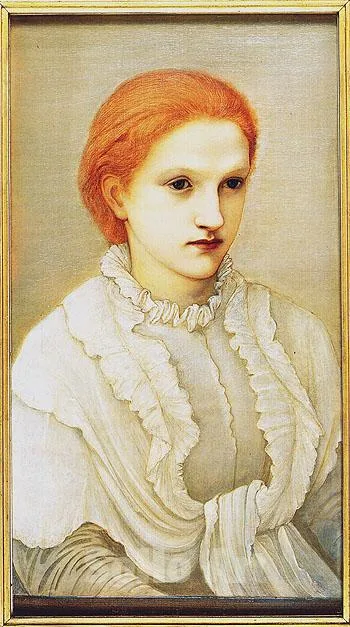
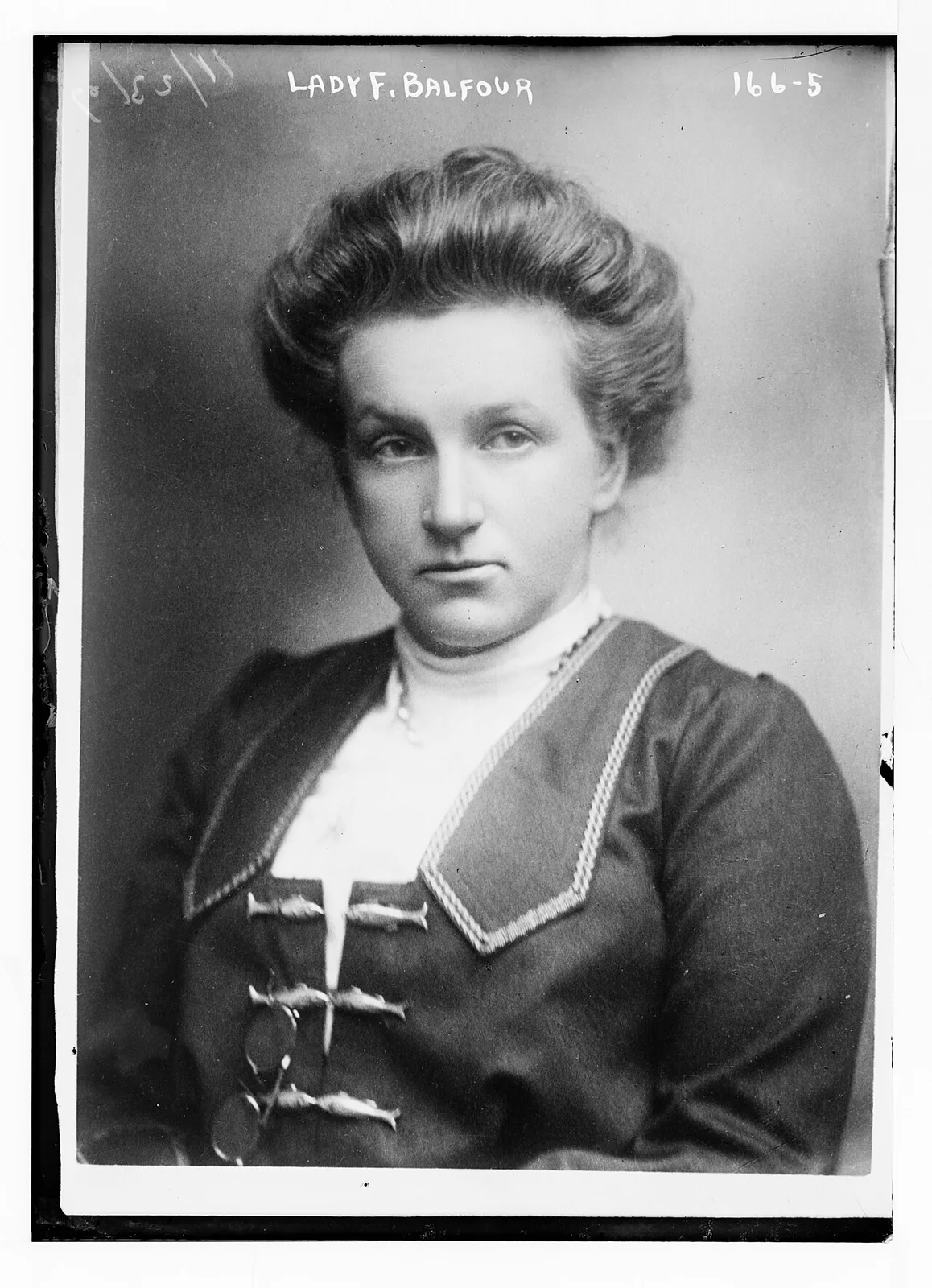
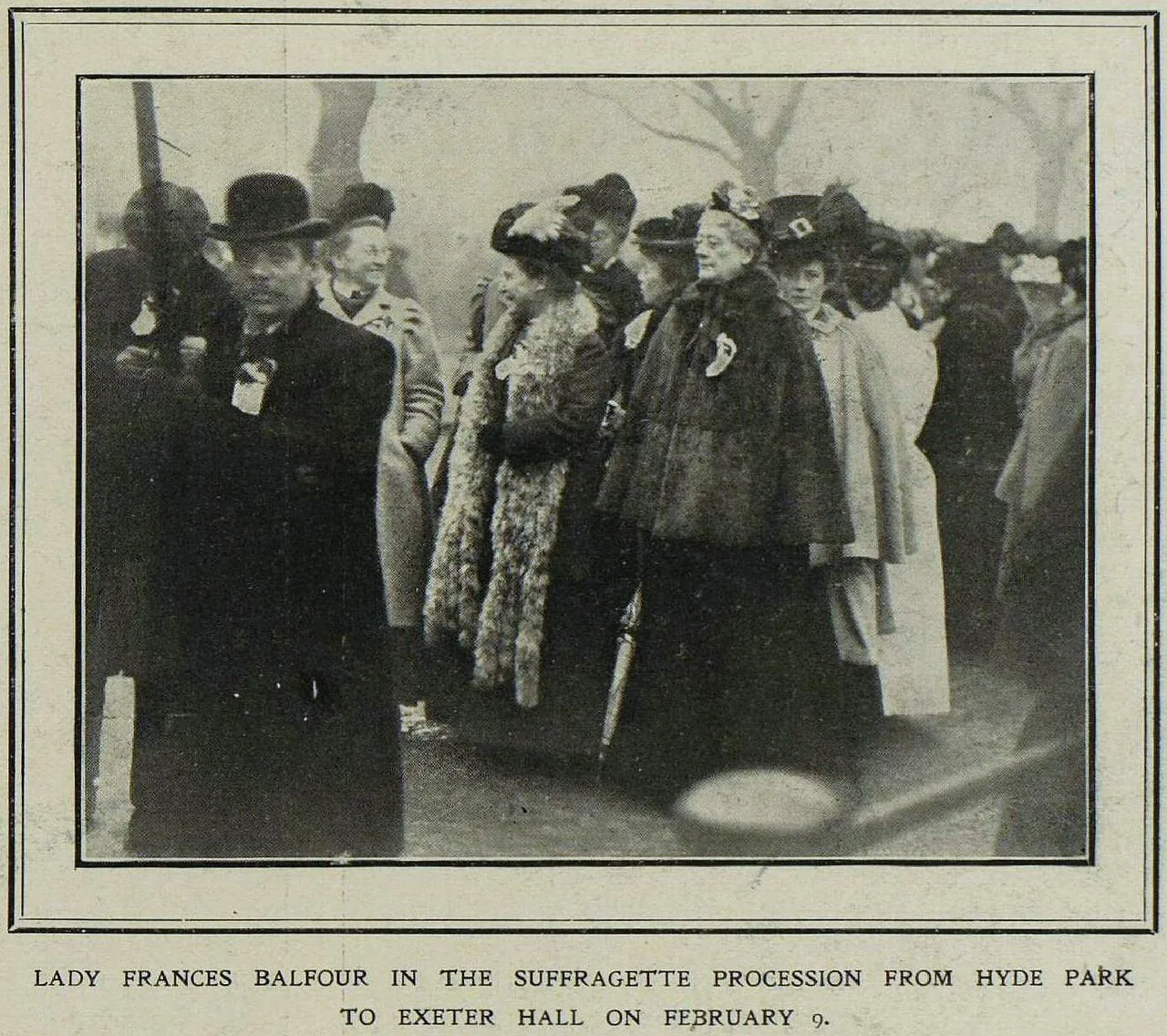
On 22 July 1887, the day after she got engaged, nineteen-year-old Lady Betty Lytton opened a letter from her future sister-in-law, Lady Frances Balfour. Frances explained that for the past five years she had lived in "the closest friendship" with Betty's fiance, Gerald. She said nothing about her own husband, Eustace, who happened to be Gerald's brother. Betty wrote back: "My eager hope is that you should both feel I would not for the whole world separate you."
That letter is the opening scene of Burn This Letter: Love and Trouble in a Marriage of Four, by the historian Susan Pedersen, reviewed by Elizabeth Crawford in the October 2026 issue of History Today (historytoday.com/archive/review/burn-letter-…). The book is not a scandal retold. It is an attempt to work out what these four people actually agreed to, using Frances's diaries and a lifetime of letters between her and Betty.
Start with who they were, because the arrangement grows straight out of it. All four sat at the very top of Victorian society and most of them had no money. Frances Campbell was the tenth child of the Duke of Argyll. Betty was the eldest of five children of Lord Lytton, a poor peer who served as viceroy of India while she was growing up. Gerald and Eustace Balfour were younger sons in a Lowland Scots family, taken into the household of their uncle, Lord Salisbury, after their parents died. Their eldest brother Arthur followed Salisbury into 10 Downing Street. Gerald sat as Conservative MP for Leeds Central from 1885 to 1906.
Rank without money meant the men were educated and sent out into the world and the women were kept at home with nothing to do. Frances said so in her diary: "I have no work, no physical hard work to do & that I want." She asked to train as a nurse and was refused. In 1878, aged twenty, she married Eustace and moved into his stucco villa at 32 Addison Road in Kensington. Pedersen reads the entries and small symbols in Frances's diaries as signs of trouble in that marriage, which is as close as the book gets to saying what happened in the bedroom.
What Frances proposed instead was a "Colony": two houses on the same road, hers and Betty and Gerald's, with the four lives woven together. She called it "an interwoven menage a quatre," a household of four adults run as one emotional unit. She found Betty and Gerald their house herself. And in a letter to Betty's father that Crawford calls astonishingly explicit, Frances wrote that before Gerald's marriage she had "over & over told him I was willing to do anything." How far the arrangement actually went is the thing Pedersen has to infer rather than state; the evidence is diaries and letters, not a contract.
Frances died in 1931. Betty gathered their correspondence into albums afterwards, as Crawford puts it, "leaving the passions and secrets in." Pedersen wonders in the book whether a relationship this radical might offer a model for reorganising society more broadly. I'd hold that thought loosely. What the letters show clearly is four people with rank, no work and no exit, negotiating the only terms available to them. The book is out from Viking; the shop link is here if you want it (uk.bookshop.org/a/8895/9781399806220).