A Yorkshire gardener pulled a pot from his garden and 591 Civil War coins spilled out

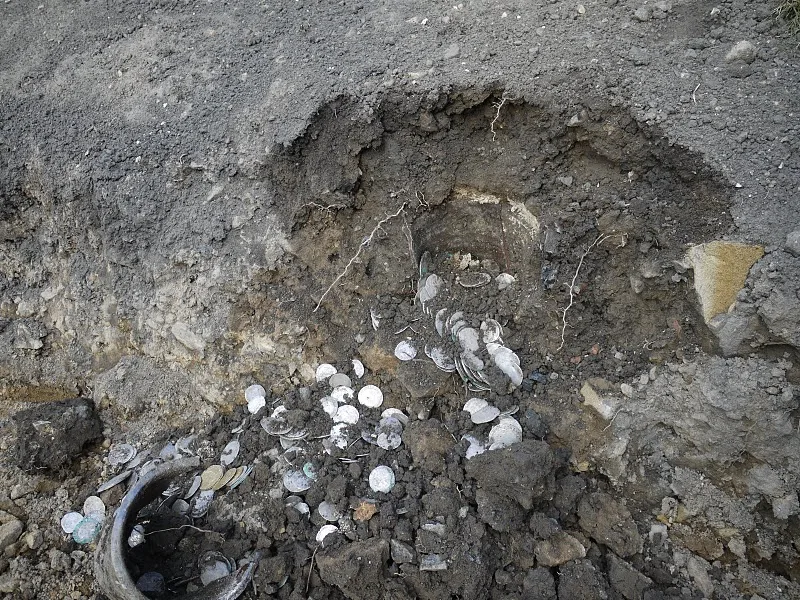
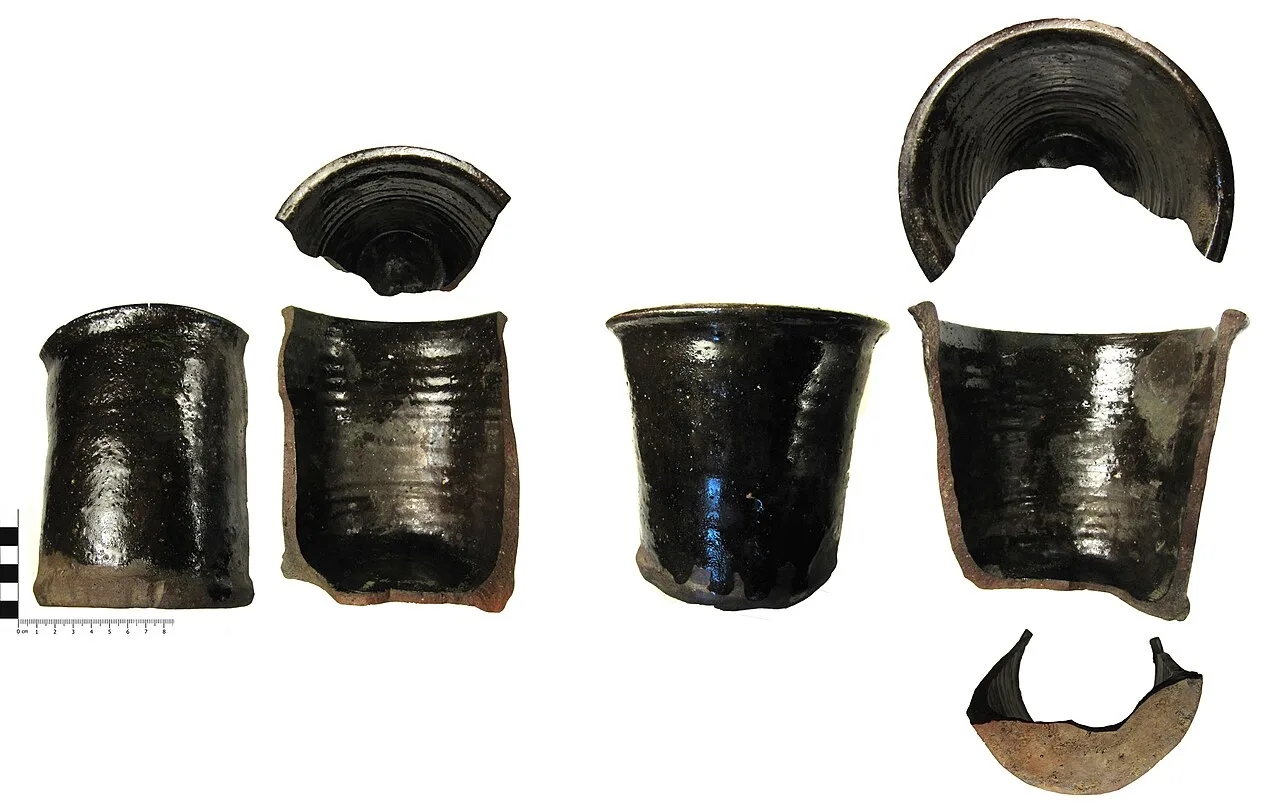
In 2011 Dr Owen Johnson pulled at a ceramic vessel in his garden in Ackworth, West Yorkshire, and the coins spilled out "like coins from a slot machine." What he'd hit was a Civil War hoard: 591 coins, a gold ring, and a scrap of leather, all sitting in the ground since the 1640s.
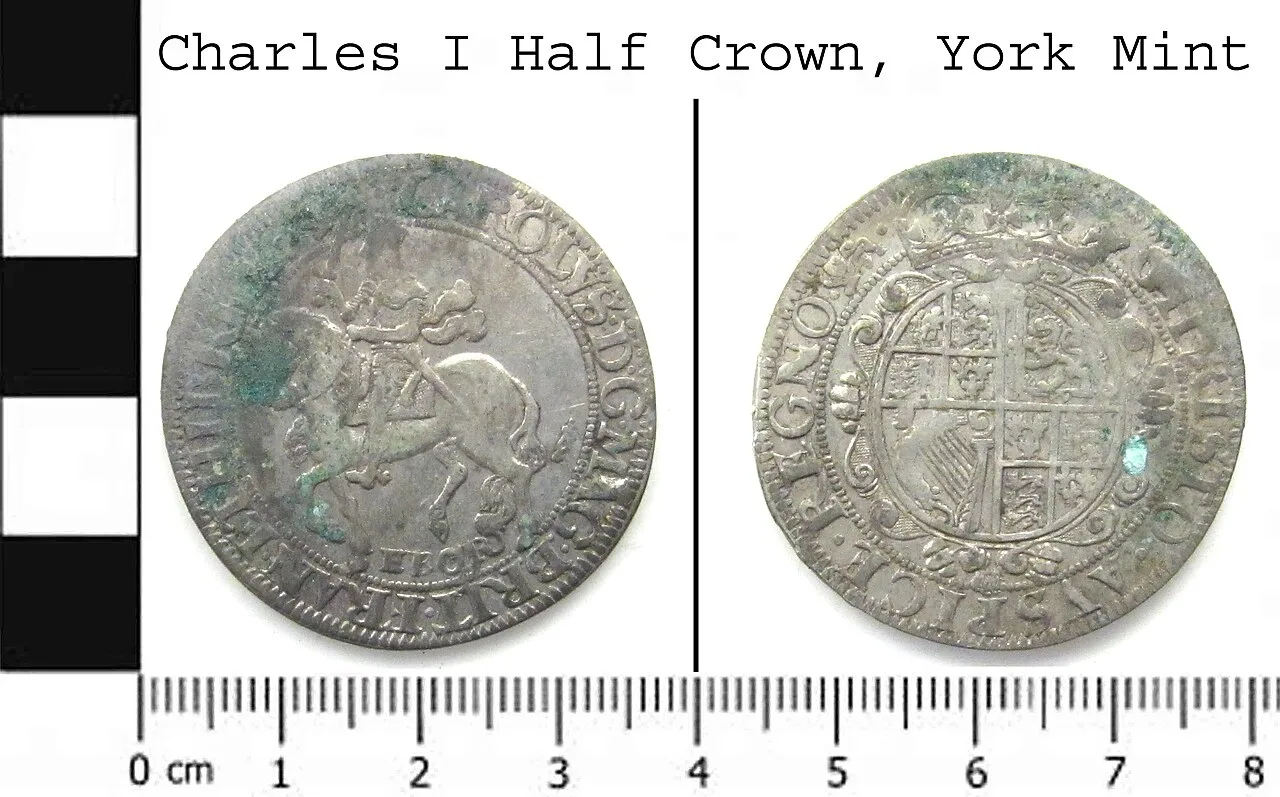
The English Civil War was the 1640s fight between King Charles I's Royalists and Parliament's side. A hoard, in archaeology, means stuff buried together on purpose, not dropped one piece at a time. Of the 591 coins, 52 are gold and 523 are silver English and Scottish issues, plus 4 Irish and 12 from the Netherlands. The newest coin dates to 1645 or 1646, so that's roughly when the pot went in. When it was buried the coins were worth £85 and 12 shillings. An infantryman earned 8 to 10 pence a day, so this was at least five years of a soldier's wages. The coins are worth about £9,000 today.
Why did someone hide it? Pontefract Castle, a Royalist stronghold, was besieged in 1645, and the source notes its occupants were stranded in Ackworth. The coins lean Royalist: lots of them were minted at York and Oxford, the king's wartime mints, and there are 12 big silver coins from the Spanish Netherlands (ducatons, one of them issued by Albert VII and Isabella, eleven by Philip IV). The source notes the presence of foreign coins used by Royalists. So the likeliest story is a Royalist burying it when Parliamentarian forces arrived in the town. Whoever buried it may have died in the siege or the plague that came with it, which would explain why nobody ever dug it up.
What makes the hoard human is the little stuff. There's a gold finger ring with a short motto engraved inside the band, and the motto reads: "When this you see remember me." That line was used on posy rings from 1596 until at least 1735, so it was a familiar sentiment rather than a one-off. Both pot types are known to have been made at Wrenthorpe during this period, about 10 miles away.
Nobody knows who buried it. The Royalist reading rests on where the coins were minted and the foreign pieces, not on any document that names an owner. The hoard was valued at £54,492, and Wakefield Council raised the money through grants and a public appeal, buying it for Pontefract Museum in April 2013, where it's now on display. Details are on the museum's page: museumsandcastles.wakefield.gov.uk/discover/collections/archae… and the Portable Antiquities Scheme record: finds.org.uk/database/artefacts/record/i…