A camera spotted sick soybean plants a week before the farmers could see it
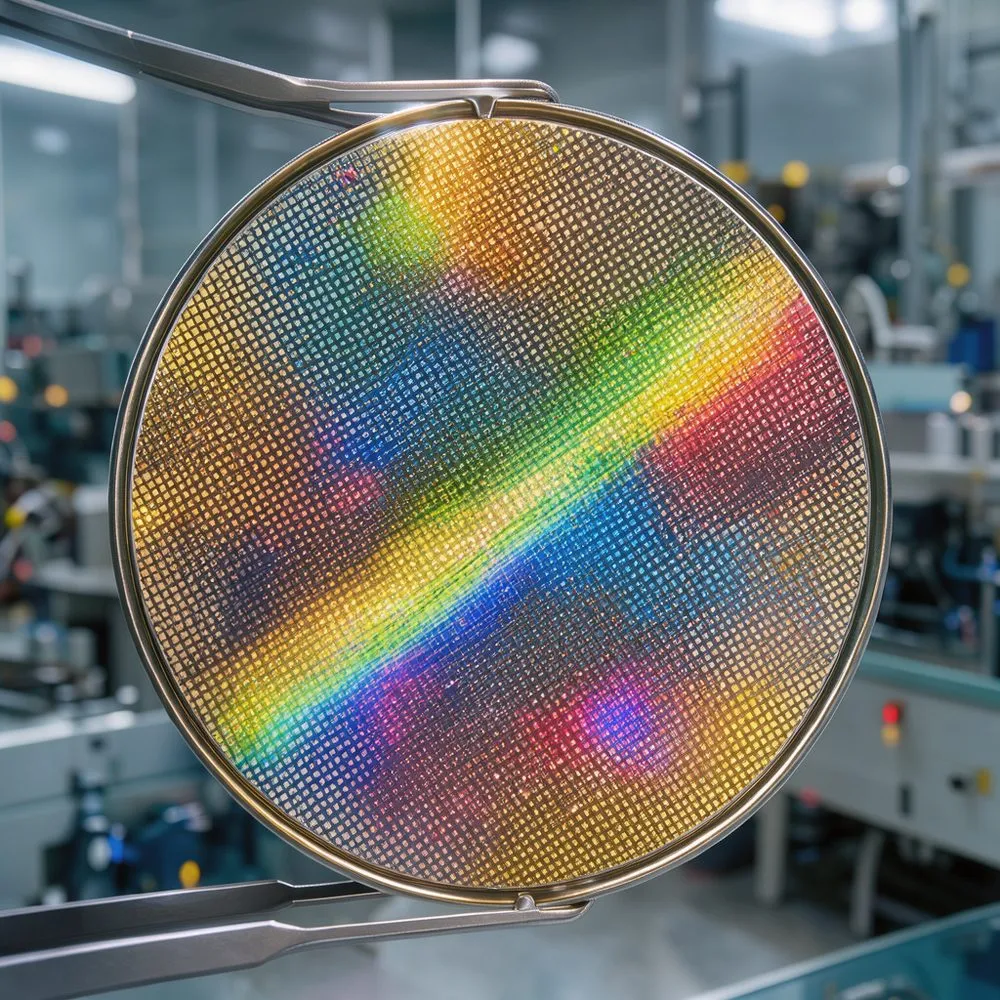
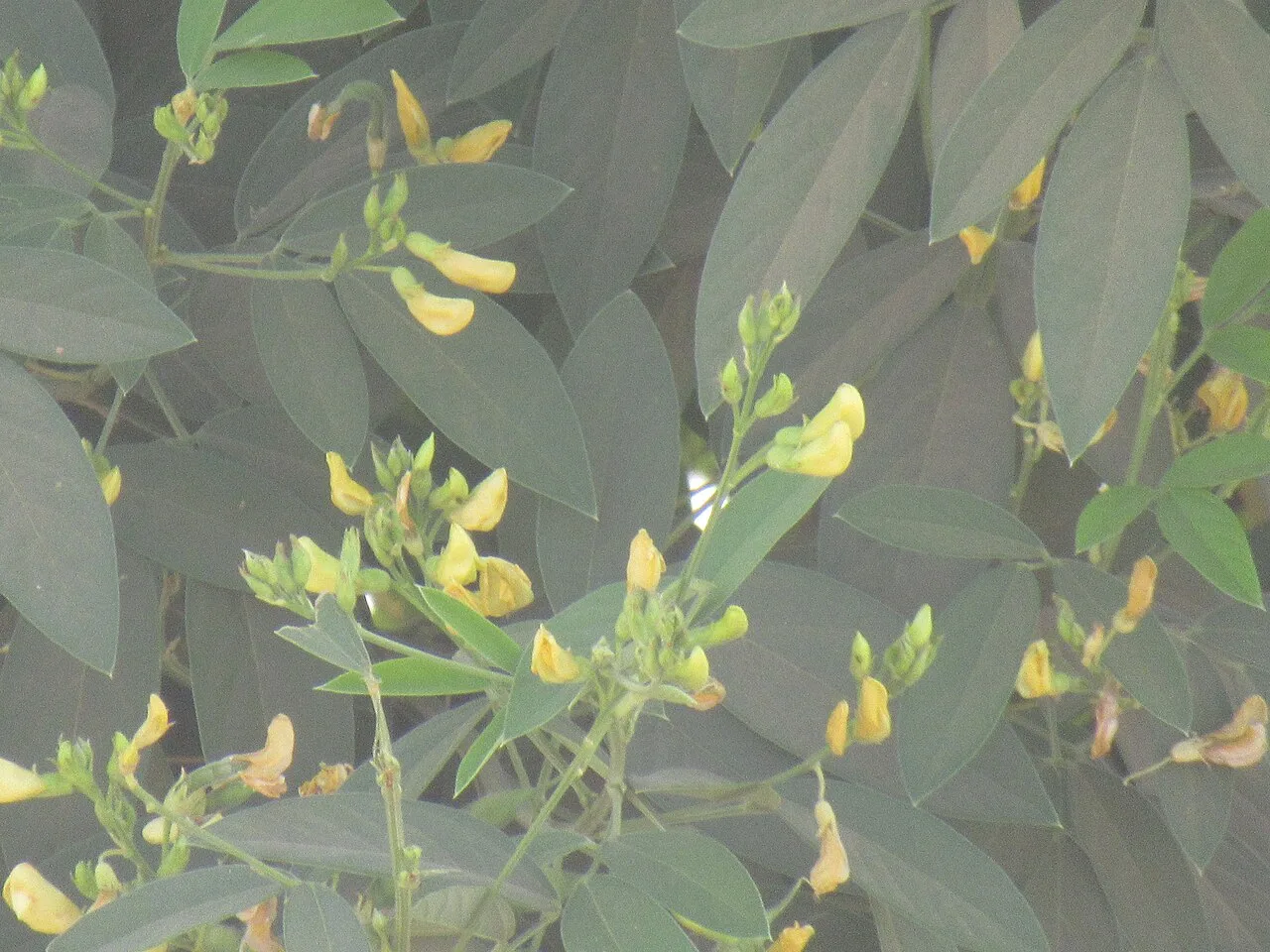
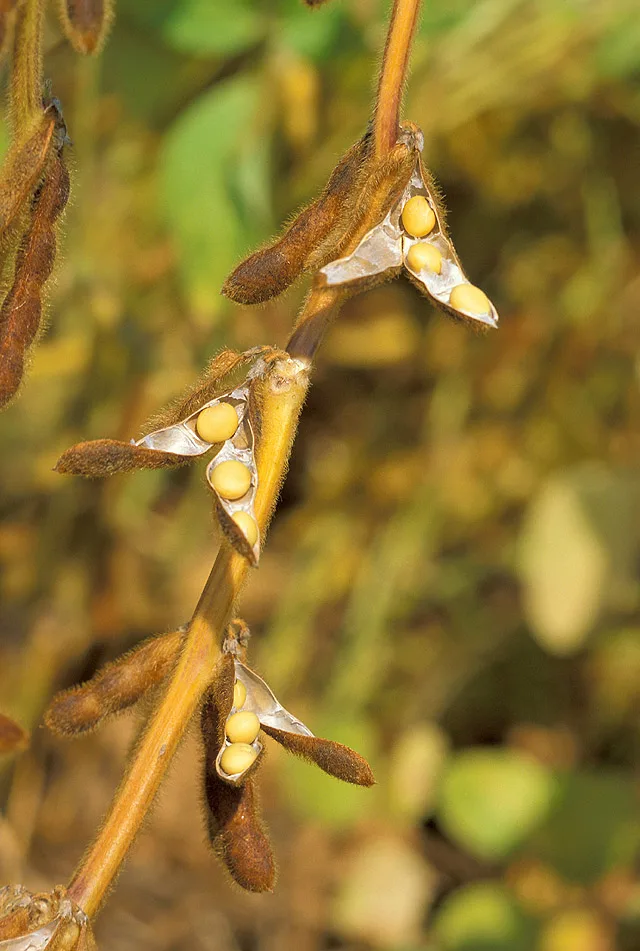
Twelve days after soybean seeds went into a greenhouse at North Dakota State University, researchers could tell which plants were affected by sudden-death syndrome and which were healthy, and to the human eye all of them looked the same. Using hyperspectral imaging, the researchers could sort the sick from the healthy. The team, led by Xin "Rex" Sun at the university's Peltier Institute for Advancement in Agricultural Technology, says the spectral difference showed up several days to about a week before any symptoms the human eye would catch, according to EE Times.
The camera is the interesting part because of how much light it wastes. An ordinary camera sorts reflected light into three broad bands, red, green and blue. A hyperspectral camera splits it into hundreds of narrow slices. Sun's lab has a short-wave infrared instrument covering roughly 1,000 to 2,500 nm with more than 200 bands. Disease changes a leaf's chemistry, and that can shift how it reflects particular wavelengths before the leaf changes color. The catch is that nobody knows in advance which slices carry the signal, so research instruments record everything.
Everything is expensive. Hyperspectral systems run tens to hundreds of thousands of dollars and can generate hundreds of gigabytes or more of data. Sun's proposal is to use the costly camera once, in the lab, to find the two or three wavelengths that separate sick from healthy, then field a multispectral camera reading four to ten bands. Those cost hundreds to thousands of dollars. "That's the beauty of using hyperspectral imaging technology," he told the paper. "It's all about selecting the bands."
That is a recipe, not a result. The work is greenhouse-only and has not been validated in a field, where soil, weather, sun angle and a dozen other crops of reflected light sit between the sensor and the leaf. A band set that works for sudden-death syndrome on soybean in a greenhouse may not survive a real field season. And a farmer still has to weigh a sensor against the disease loss it prevents, which for a cheap camera is a much easier sum than for a six-figure one.
What would settle it: field trials that reproduce the same spectral gap, a published set of wavelengths, and a multispectral unit cheap enough that one saved field pays for it. Until then the useful thing here is the method, not the camera. eetimes.com/can-machines-see-a-sick-pla…