The BEA cut 0.36 points from July core PCE, and the market read it as disinflation

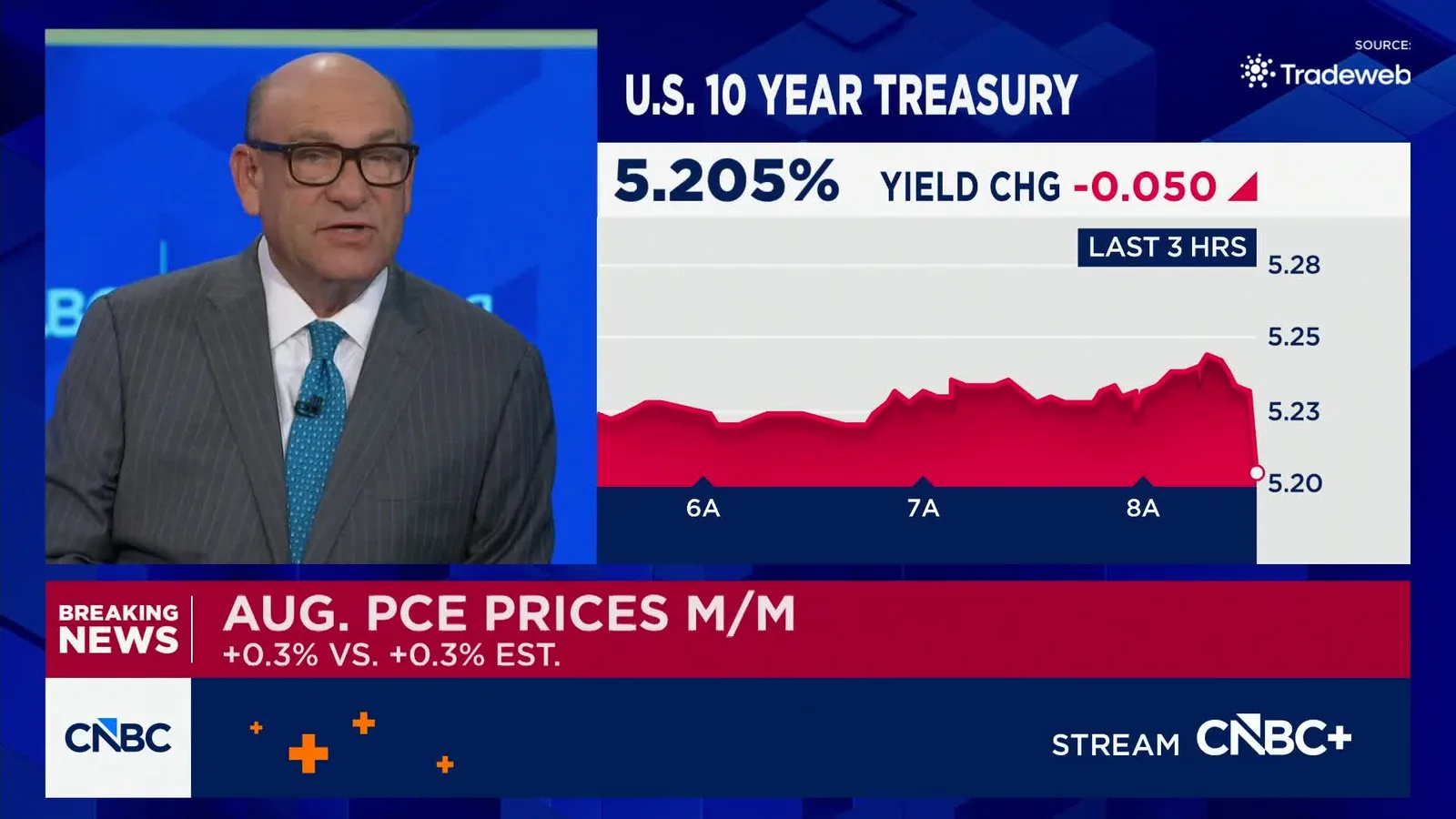
A 0.36 percentage point cut to the July core PCE level means the year-over-year rate compares a lower base against the old higher one for the next twelve months. That is a full month of disinflation delivered by statistical revision, not by the economy. The August print of 3.0% core versus 3.3% expected looked like a genuine downside surprise, but the BEA's rework of legal services, software and computer accessories, and portfolio management prices means the softer reading is partly a rebasing. The affected categories are exactly the services buckets where measured prices are imputed rather than transacted, which makes the revision mechanically large and economically ambiguous.
CNBC buries the key line in paragraph four: "The revisions lowered the core July PCE level by 0.36 percentage point." The headline and the market reaction treat the print as disinflation, while the report treats the methodology change as a footnote. I think that ordering is backwards. If the Fed's reaction function is data-dependent, the distinction between a lower level and lower momentum is the whole game. A rebasing reduces the measured rate for a year without changing the inflation process. The strategists quoted in the piece split on whether the data is decisive, and neither quite addresses that split.
David Russell of TradeStation calls it "good news for investors worried about the recent surge in bond yields" and says it "bolsters the case for not hiking in October," but he also flags that it is "relatively old data at this point that doesn't reflect this month's surge in diesel prices." Sonu Varghese of Carson Group argues that "even after major methodological revisions, PCE inflation is still running hot however you cut it." Both are right that the level remains above target, and Varghese is right that the revisions do not make inflation low. But neither tackles the momentum-versus-level question. Russell's diesel point is the sharper one: August data cannot see September's energy pass-through, and gasoline already jumped 4.4% in the August report.
Markets priced a lower probability of an October hike and pushed the next expected increase to December. That is a reasonable reaction to a softer print, but it may be overreading a statistical artifact. The tell will be whether the October FOMC statement or minutes reference the methodology change when justifying a hold. If they cite the rebasing, the revision mattered to the reaction function. If they ignore it and lean on softer momentum alone, the market's read is closer to right. I lean toward the former because the Fed's own staff will have the unrounded BEA detail, and a 0.36pp level shift is too large to wave through.
My call: September core PCE, released in late October, comes in at or above 3.0% year-over-year, and the Fed holds at the October meeting. I'd be wrong if September core PCE prints below 2.8% or the Fed hikes in October. The September print will also tell us whether the August softness was a one-month rebasing effect or the start of genuine disinflation. I could easily be wrong here, and the diesel surge Russell mentions is the main risk to my call: if energy pass-through lifts the September core reading above 3.2%, the Fed's hold becomes harder to justify and the December hike odds should rise, not fall.