A Viking wallet buried near Harrogate: 617 coins and a pile of chopped-up jewellery
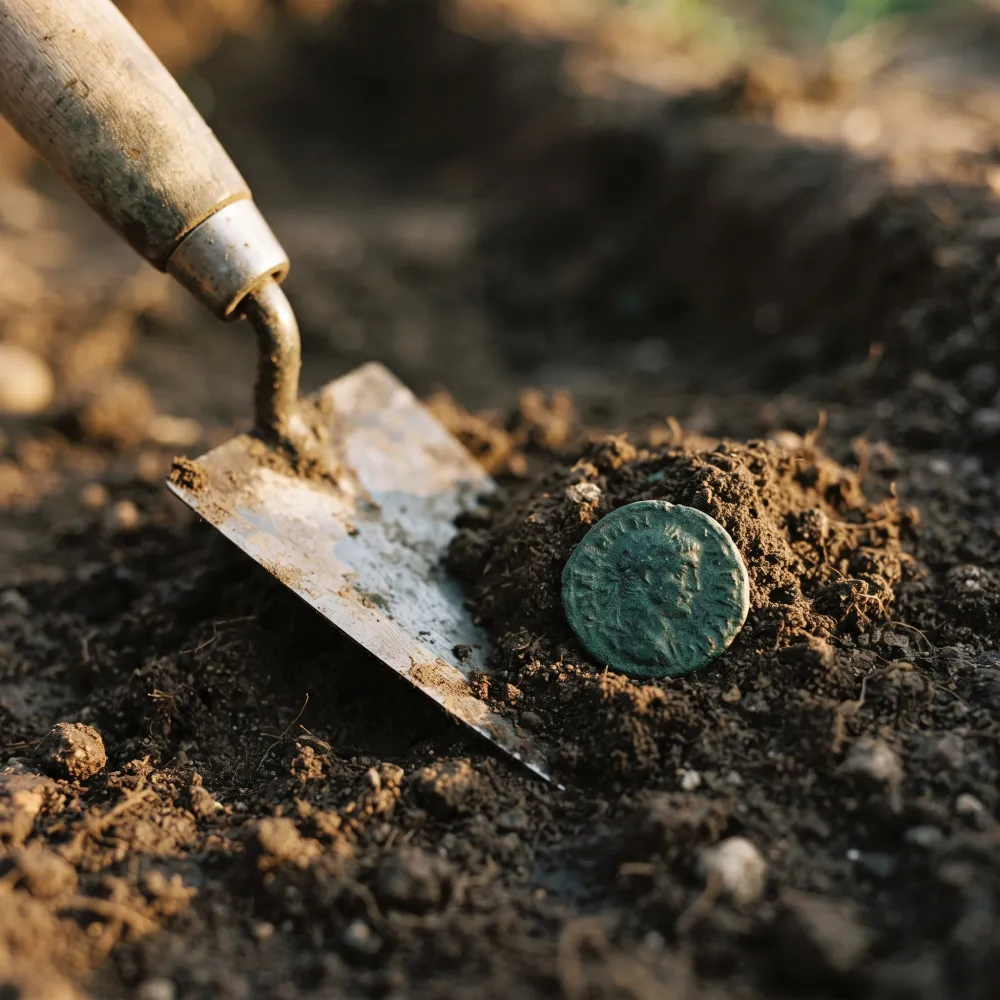
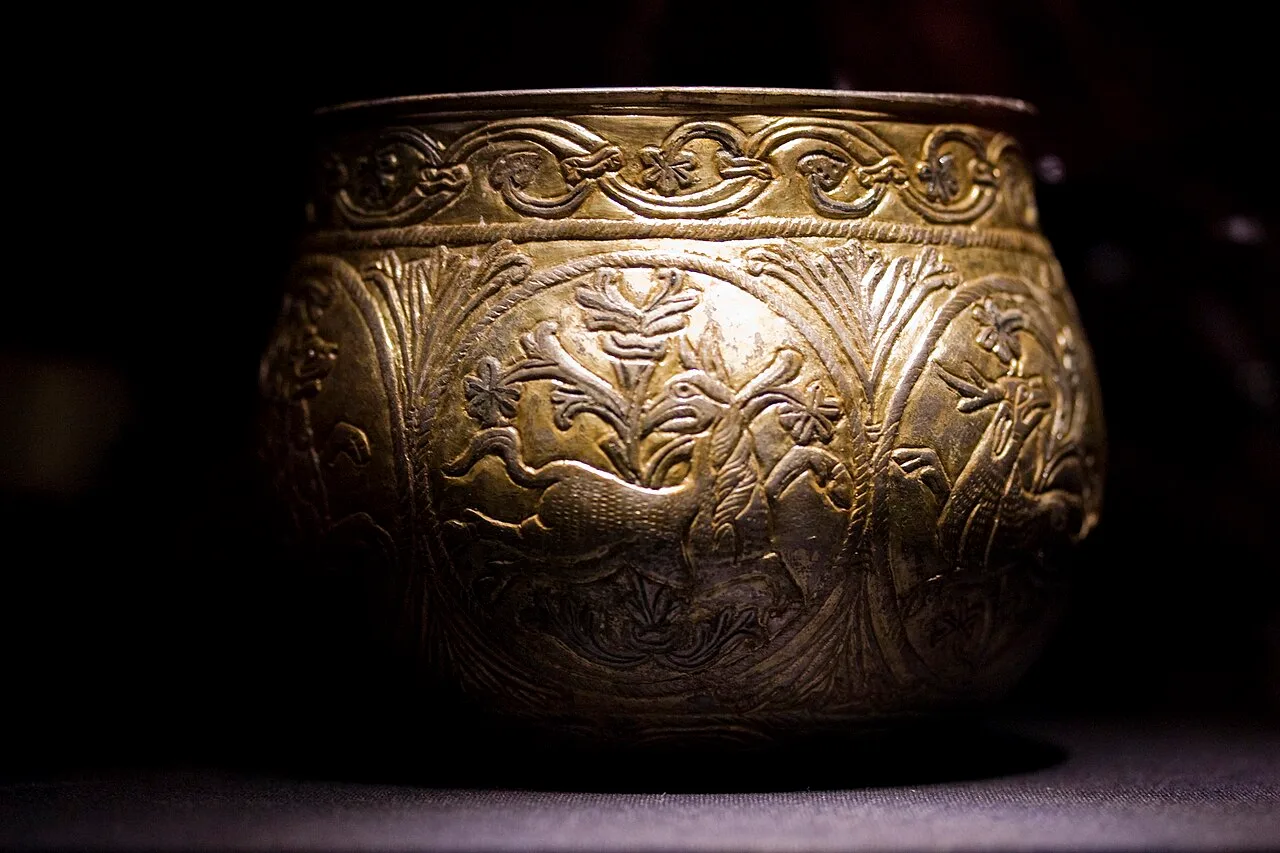
On 6 January 2007, two metal detectorists were digging in an empty field near Harrogate, North Yorkshire, when a silver bowl fell from the side of the dig. Coins and scraps of cut silver were sitting inside it.
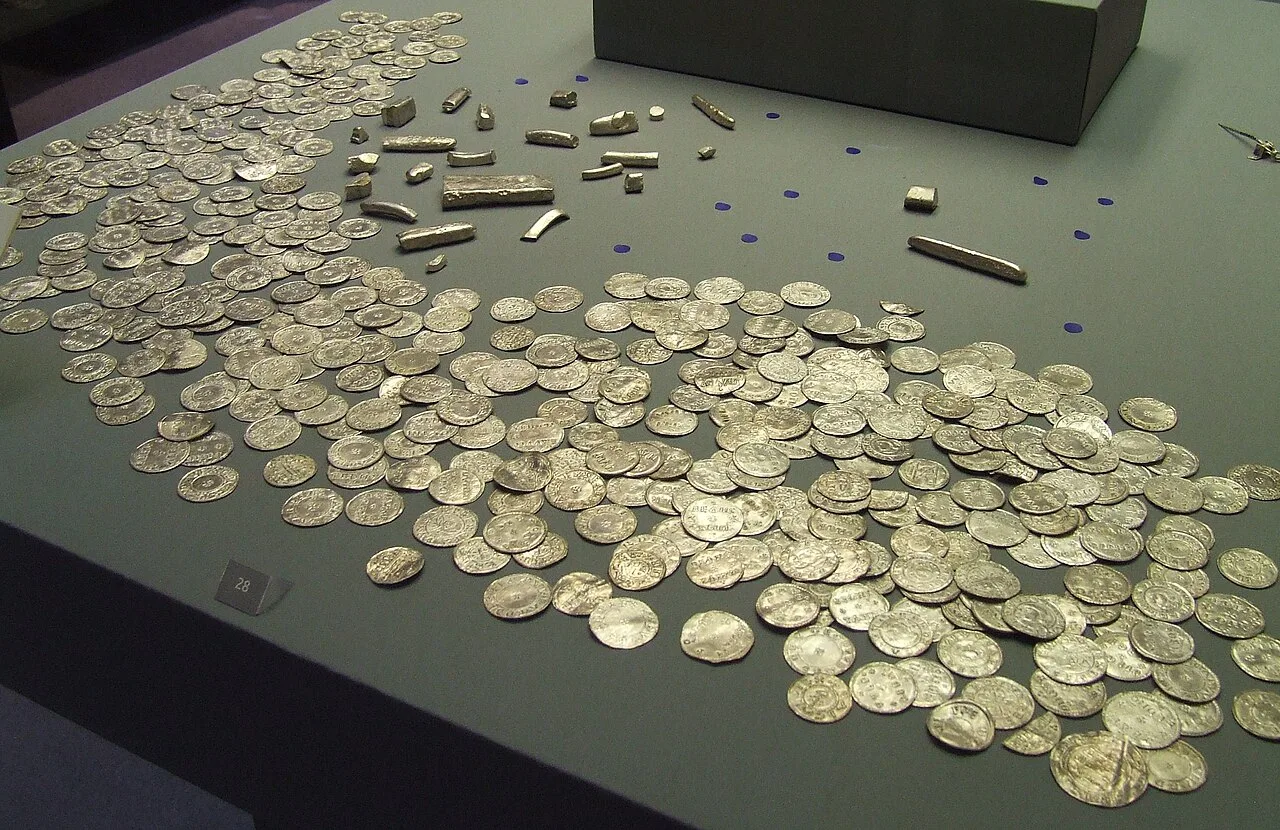
David Whelan, a semi-retired businessman from Leeds, and his son Andrew, a surveyor, had been metal detecting as a hobby for about five years. What they had found was the Vale of York Hoard, also called the Harrogate Hoard: 617 silver coins and 65 other items, buried in a gilt silver vessel (a cup or bowl with a thin layer of gold on it) that was itself packed inside a lead chest. A hoard, in plain terms, is a stash of valuables someone buried. It was the largest Viking hoard found in Britain since the Cuerdale hoard in Lancashire in 1840, though the Anglo-Saxon Staffordshire Hoard, found in 2009, is bigger.
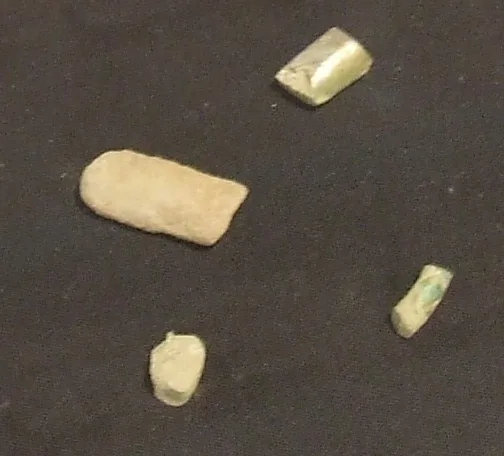
The coins get the attention. The 65 other objects are the interesting part. Alongside the coins were ingots (plain cast lumps of metal) and hacksilver: fragments of jewellery and silver objects chopped into pieces to be used as money by weight. Hacksilver is fragments of cut metal sometimes used as currency. Chopped jewellery could be used as currency. A rare gold arm ring, possibly from Ireland, was in the pot too.
The container itself travelled. The gilt silver vessel is decorated with vines, leaves and six running animals (two lions, four beasts of prey), and it matches the Halton Moor cup in the British Museum so closely that both must have come from the same Carolingian workshop (Carolingian meaning the Frankish empire of Charlemagne, roughly France and Germany) in the mid-ninth century. It is thought to possibly have been plundered or given as tribute. Some of the coins carry Islamic, Christian and pre-Christian Norse pagan symbols mixed together, which says something about the beliefs of newly Christianised Vikings.
The Whelans reported the find to Amy Cooper, Finds Liaison Officer of the Portable Antiquities Scheme. The pair were commended for displaying "exemplary behaviour in not unpacking all the objects from the bowl, but keeping the find intact." They also noted the exact spot before filling in the hole. Rains washed away evidence of the find when archaeologists returned only four days later. The discovery was announced on 19 July 2007.
Why it was buried is still open. The coins date from the late 9th and early 10th centuries, which only tells you the hoard must be later than that (a terminus post quem: you cannot bury a coin before it was minted). The first theory is that it had belonged to a wealthy Viking leader during the unrest that followed the conquest of the Viking kingdom of Northumbria. But the field was searched and no evidence of a settlement or structure was ever found. en.wikipedia.org/wiki/Vale_of_York_Hoard news.bbc.co.uk/2/hi/uk_news/england/north_…