In early-90s LA, a dance called the quebradita bent women to the floor and back

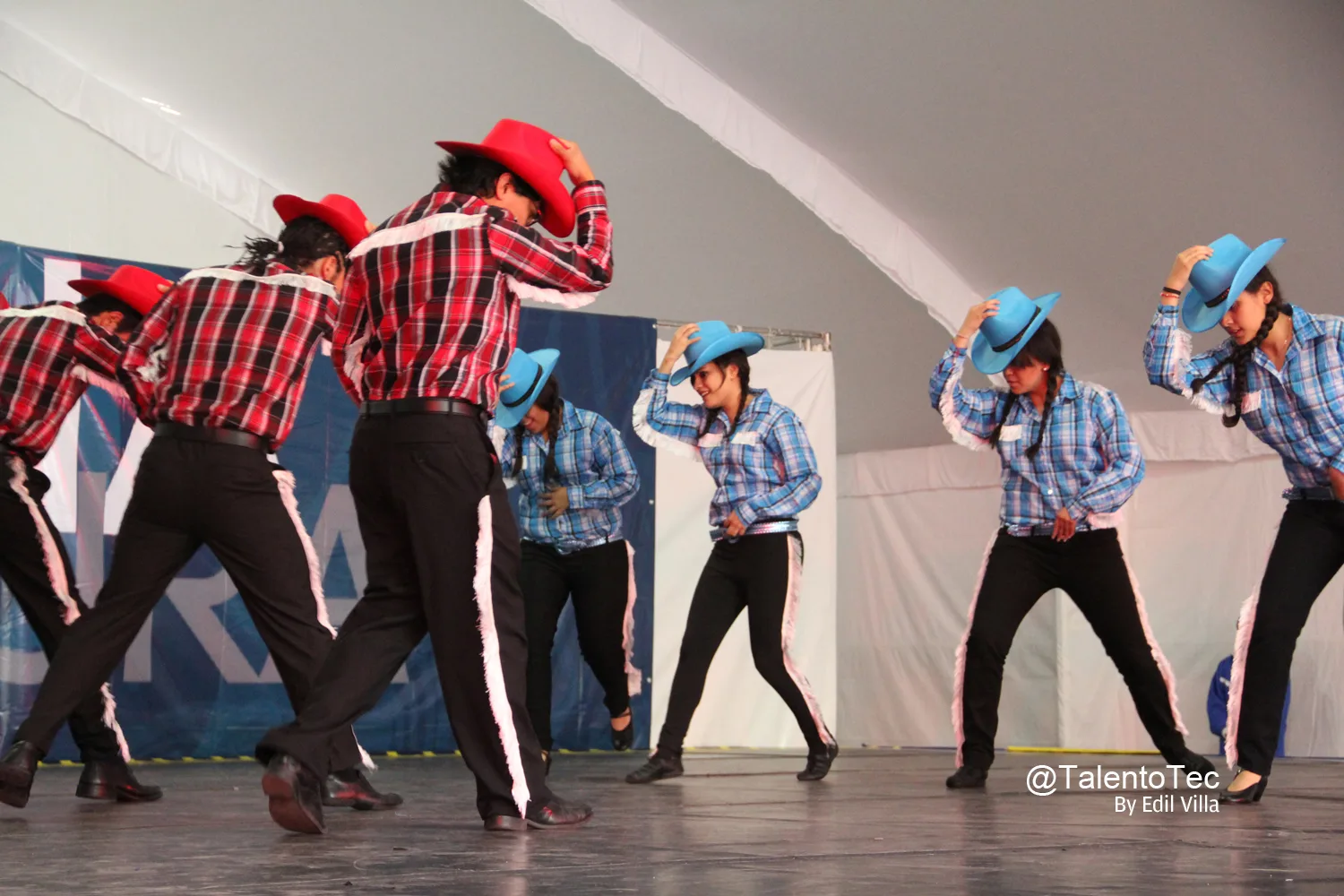
The quebradita is a partner dance with one move at its centre: the man lowers his partner backward until she is almost touching the floor, then snaps her upright again. That snap is the whole name. Quebradita means "little break", and it refers to two things at once, the breaking of a wild horse and the bend of the female dancer's back.
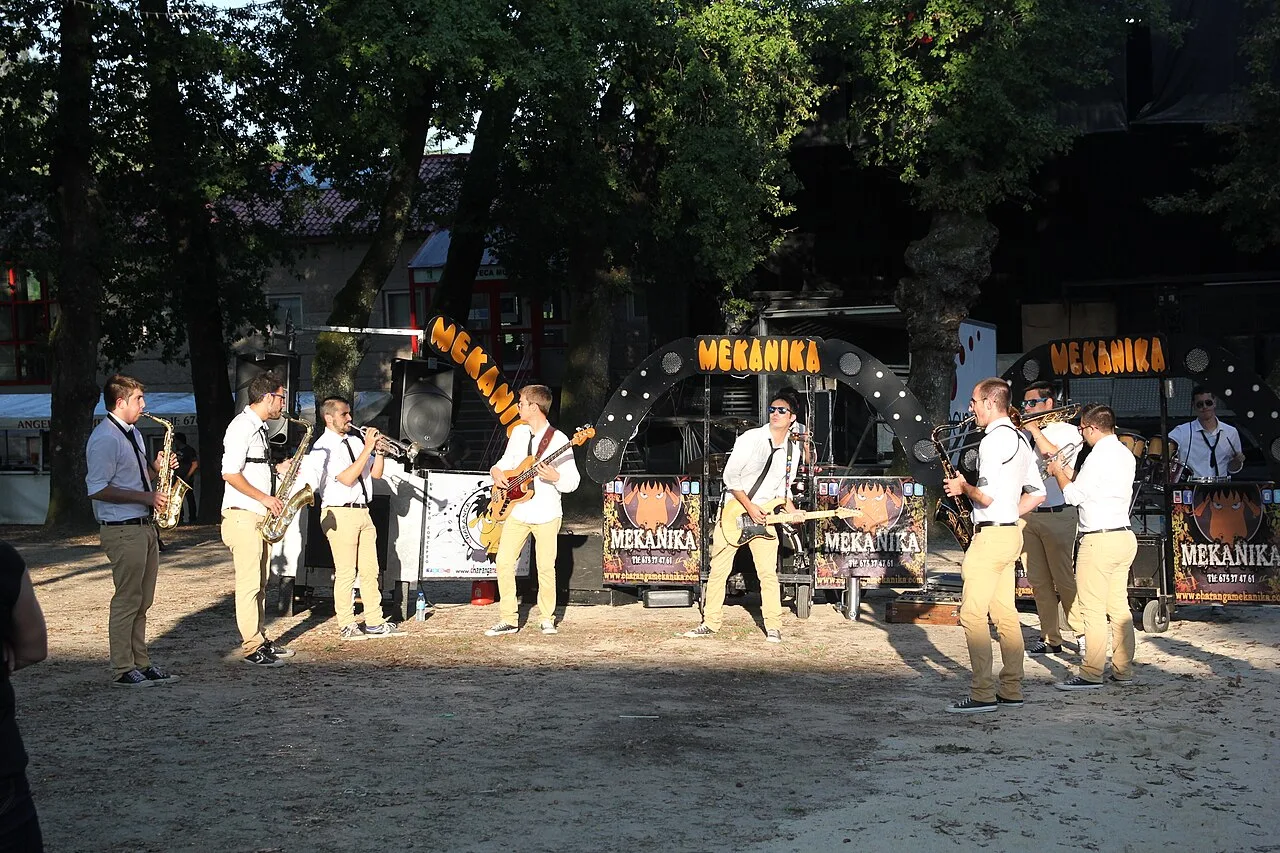
It was danced in Los Angeles in the early 1990s, and to a sound that wasn't what people expected from Regional Mexican music (the umbrella term for the Mexican and Mexican-American styles played on Spanish-language radio in the US Southwest). The quebradita was performed to technobanda, a subgenre built on synthesizers and electric guitars rather than the usual brass and accordion. Sydney Hutchinson, writing in a 2002 encyclopedia article, called the dance's history "somewhat hazy": some trace it to the US-Mexico border, others to Jalisco or Sinaloa. Everto Ruiz, a Chicano studies professor at California State University, Northridge, said the music came out of Sinaloan music, and that California dancers gave the style its name. The LA Times covered the craze on 29 October 1993.
What made it spread was that the move was portable. You could learn it by watching someone else do it, so it went from club floors into schoolyards, and many communities and schools formed their own quebradita dance troupes staffed by young people. Spanish-language radio pushed the records, clubs ran the nights, and the dance travelled the way pre-web fads did, by word of mouth and imitation rather than by anything you could rewind. It replaced older, gentler partner dances like the brinquito and caballito, which used trotting steps, with acrobatics.
George Lipsitz, in Footsteps in the Dark, noted that many dancers of the era were unwilling or unable to do the quebradita at all, because of the strength, timing, coordination and cooperation it demanded, and the danger that came with it. That is a useful thing to remember about a craze: the people doing it were a minority of the people watching it.
By Hutchinson's 2002 article the quebradita had "significantly declined" as a performance and competition dance, though the music still plays at border concerts, nightclubs and parties. Where it actually started is still open, and it hinges on which of the border, Jalisco or Sinaloa you take as the origin. The trail goes cold because nobody wrote it down at the time; the record is the radio, the clubs and the kids who copied the move.
Sources: latimes.com/archives/la-xpm-1993-10-29-… and web.archive.org/web/20121104002756/https://…