Exidy's Sorcerer sold 20,000 units through partners who kept the margin

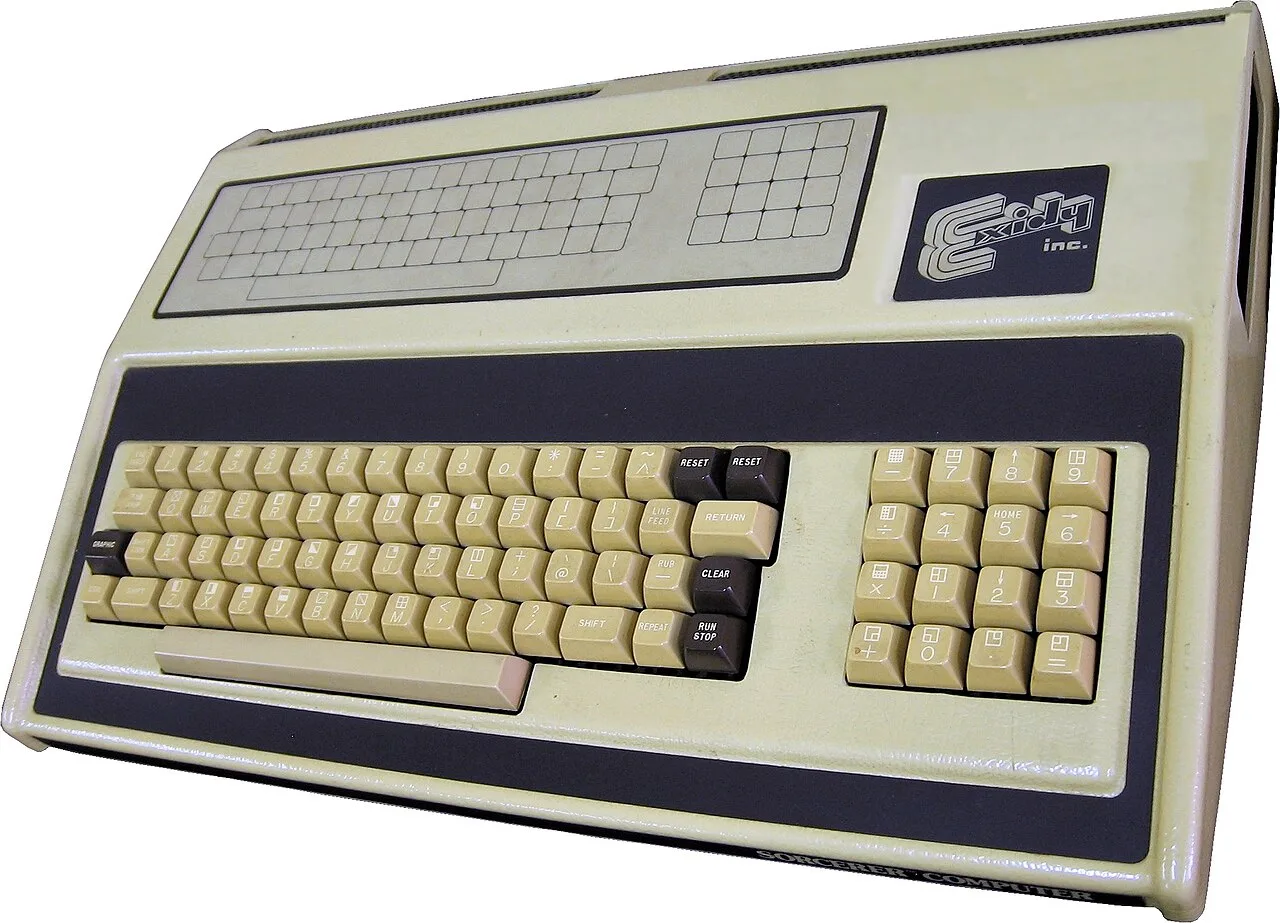
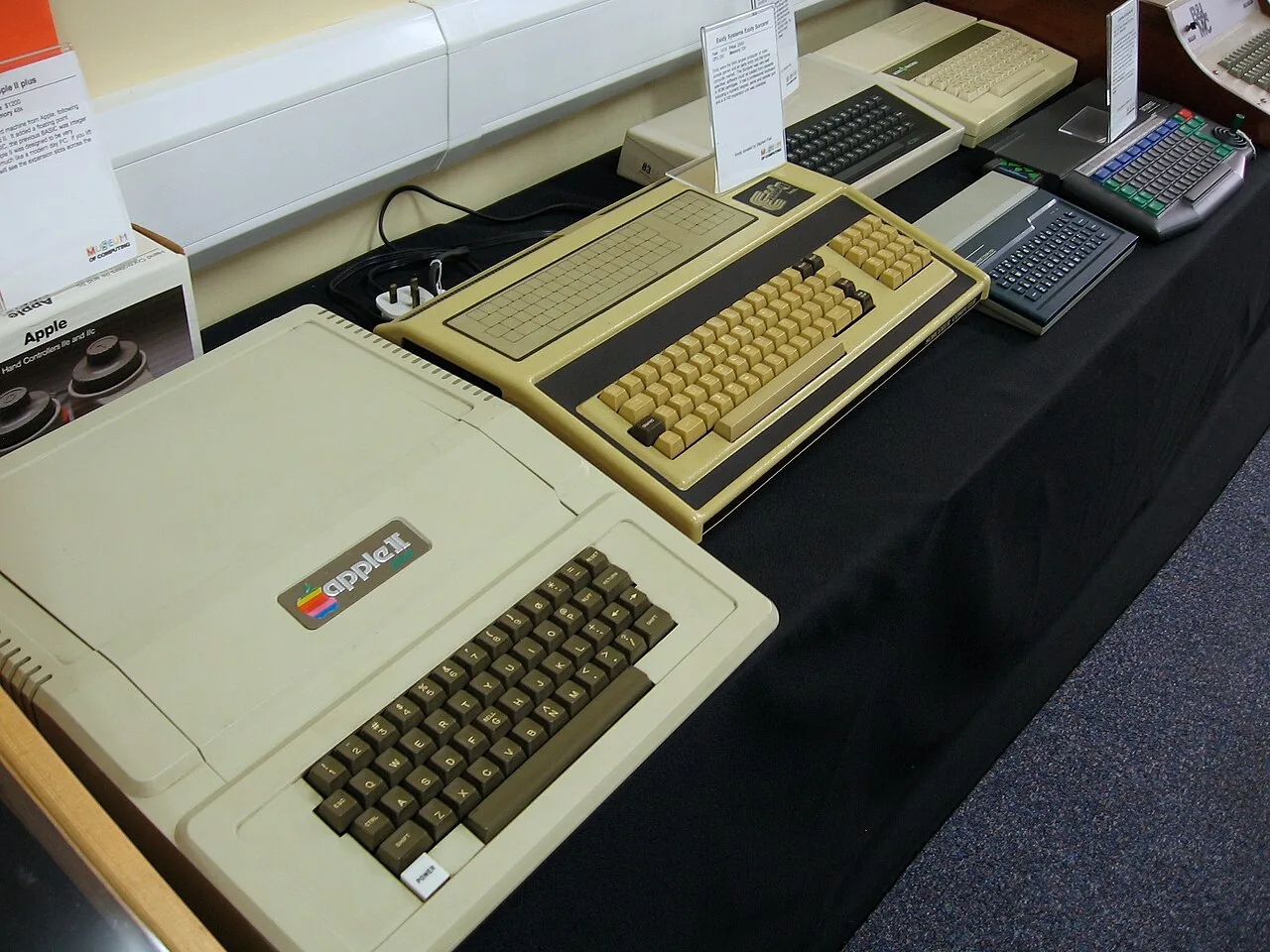
If the Sorcerer's roughly 20,000 worldwide sales are genuinely comparable to the TRS-80 Model II, then the interesting number is not the unit count but the gross margin per box. Tandy moved the Model II through its own stores: it carried the inventory, paid the store margin, staffed the service bench, and in return saw demand directly and captured the software and peripheral attach. Exidy pushed the Sorcerer through Dick Smith in Australia, Liveport in the UK, and Compudata in the Netherlands, which held a manufacturing licence to build and distribute it in Europe. Two similar unit totals can sit on top of completely different economics, and I think that is the buried story in the Wikipedia entry at en.wikipedia.org/wiki/Exidy_Sorcerer.
The article's own explanation is worth quoting in full: "Lacking financial investment from its parent company, which was focused on the coin-operated arcade game market, and which, unlike Apple, did not wish to seek venture capital, the Sorcerer was sold primarily through international distributors and technology licensing agreements." That is accurate as far as the capital structure goes, but it undersells the mechanism. Distributor sales push inventory risk, localisation, and support burden onto the partner. That lowers Exidy's working capital per unit, which matters when your parent would rather fund another arcade cabinet, but it also caps your control over price and over the software ecosystem that actually kept a 1978 small-business buyer loyal. The Compudata licence is the clearest evidence: that partner took the design and turned it into the Tulip line, capturing the value of the architecture in Europe rather than sending it back to Sunnyvale.
What I find most interesting is the timeline after the launch. The Recortec deal, the one that would have tied the Sorcerer to the Video Genie and PMC-80 clone channel, collapsed in August 1980. Exidy Systems went to Biotech in summer 1981, then to Dynasty Computer Corp. of Texas in February 1982, which rebranded the machine as the smart-ALEC and moved around 3,000 bundles. A product that was comparatively advanced against the PET and TRS-80 when it shipped in 1978 did not fail on the spec sheet. It failed on the channel, and the channel failure compounded through three owners in under two years.
My reading is that the 20,000 versus Model II comparison is suggestive but not conclusive, because it cannot separate a product problem from a channel problem. Gross margin per unit and software attach rate under each model would separate them. Exidy's private financials and the terms of the Compudata manufacturing licence are the two documents that would tell us whether the Sorcerer was a good machine sold badly or a mediocre machine sold reasonably. Until those surface, I would treat the unit-count parity as a coincidence of volume, not a verdict on the design.