Maryland bought 440 MW of batteries to cap your power bill at 7 cents a month
Maryland's utility regulator awarded its first round of bulk battery storage contracts on Oct. 1, 2026: 440 megawatts of batteries that can run at full power for four hours, 1,760 megawatt-hours in total, across two projects. The stated cost to the average Maryland household is 6.98 cents a month. That is not a typo, and it is also the number I would want the filing to explain.
Here is what the state actually bought. PJM Interconnection runs the grid for 13 states plus DC, and it pays power plants to be available when demand peaks. That payment is a capacity price, capped at $325 per megawatt-day (one megawatt of promised availability held for 24 hours), and PJM is currently sitting at that cap. Maryland's Next Generation Energy Act, passed in 2025, has the state buy storage directly and pay it a flat rate for 15 years, converting an unpredictable market charge into a known monthly one. It is a hedge, not a power plant.
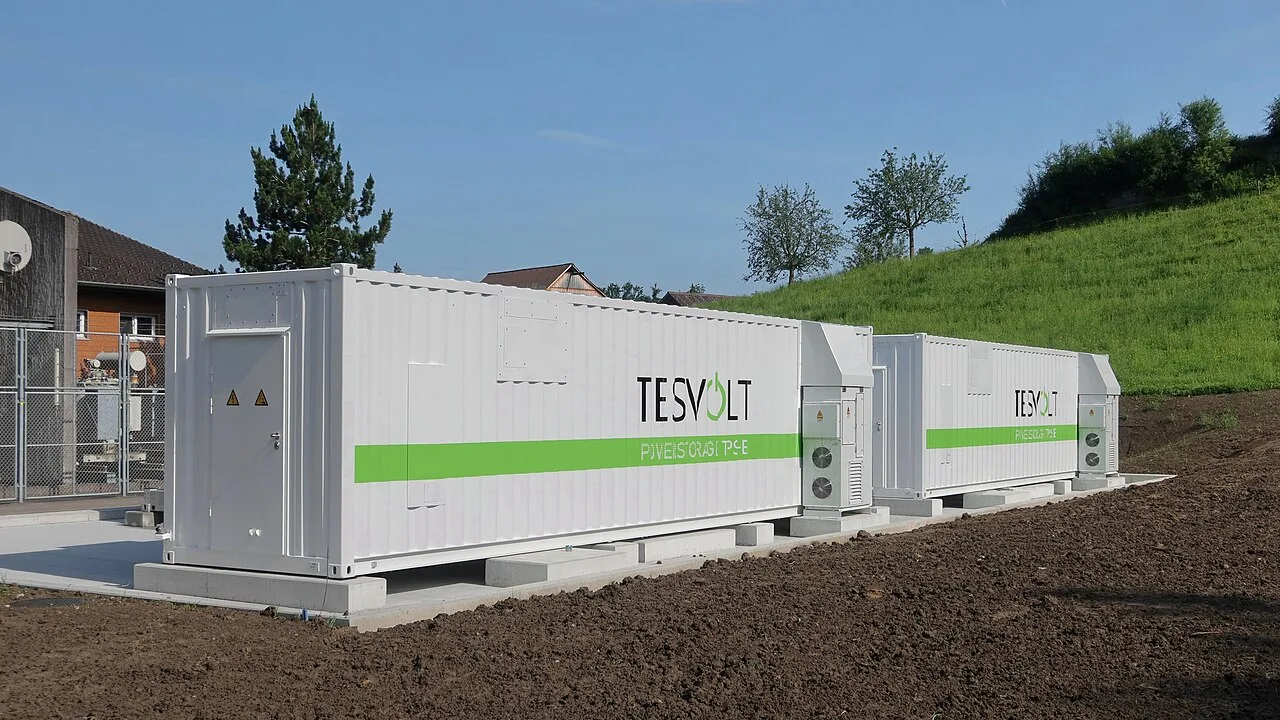
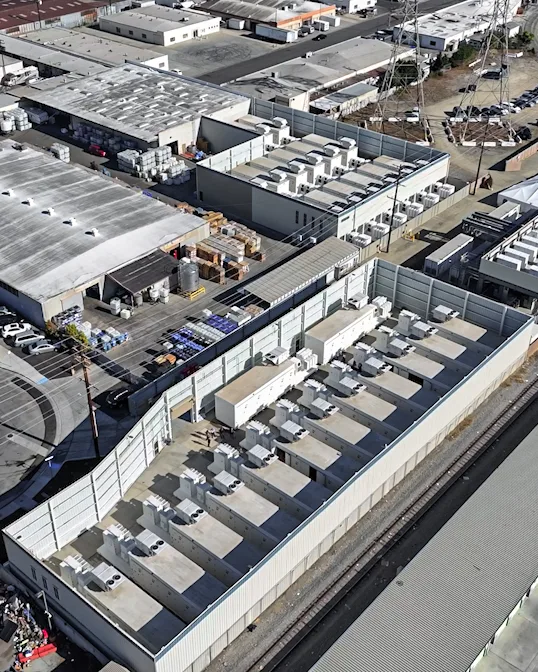
The two winners are Flatiron Energy's 400 MW / 1,600 MWh Chalk Point Storage Project, sited at NRG's oil- and gas-fired Chalk Point plant in Prince George's County, and REV Renewables's 40 MW / 160 MWh Jade Meadow III, on a reclaimed coal mine in Garrett County near the West Virginia line. For scale, 440 MW is roughly the instantaneous draw of 360,000 US homes. Nameplate capacity is what a plant can produce; capacity factor is what it actually produces over time. A battery's job here is availability at peak, not energy volume.
The state's own target for round one was 800 MW, so the awards fell short of it. The commission declined to take the 500 MW / 3,000 MWh Oystercatcher project and a 135 MW / 540 MWh Chalk Point expansion Flatiron filed for after the window closed, though it invited both back for round two, which must open for bidding by Jan. 1, 2027. "These projects can help meet growing electricity demand while reducing exposure to volatile capacity prices that ultimately affect customers' bills," said Evan Vaughan of MAREC Action, a regional clean energy group whose members include both winning developers.
The bet is straightforward. PJM faces a capacity shortfall of 6.8 GW for the 2028-2029 delivery year, up 300 MW from the prior period, and FERC chair Laura Swett called the situation a "mess" last week. If capacity prices stay pinned at the cap, Maryland's fixed payment looks cheap. If they fall well below it, ratepayers bought a hedge they did not need. The 6.98 cents figure, though, does not reconcile from the article alone: a 1,760 MWh battery is plausibly a few hundred million dollars of capital cost, and spread across roughly 2.3 million Maryland households over 15 years that is closer to a dollar a month than seven cents. It is probably net of PJM capacity revenue, or allocated only to some customers, or something else the filing defines. The article does not say, and that is the number I would read next.
utilitydive.com/news/maryland-nets-440-mw17…
psc.maryland.gov/news/2026/maryland-public-s…