An 1840s opera faked a frozen lake with roller skates, and Europe went skating

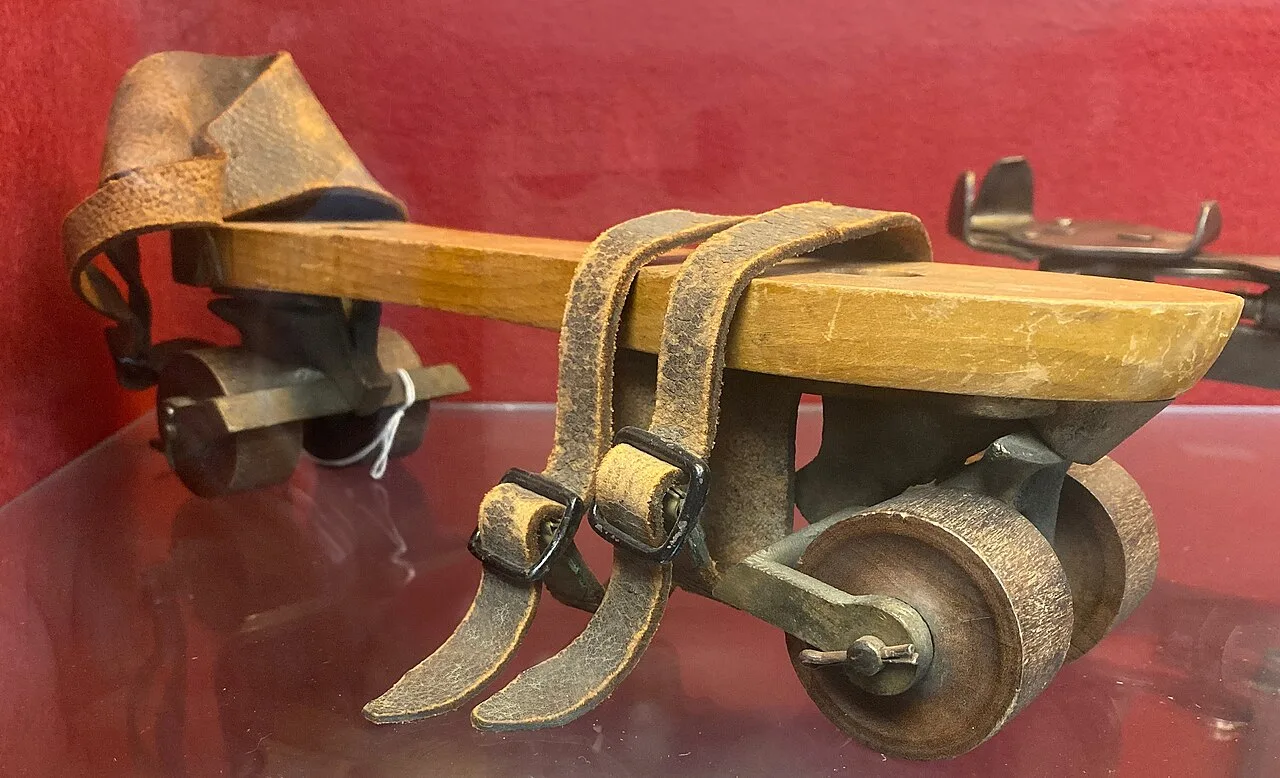
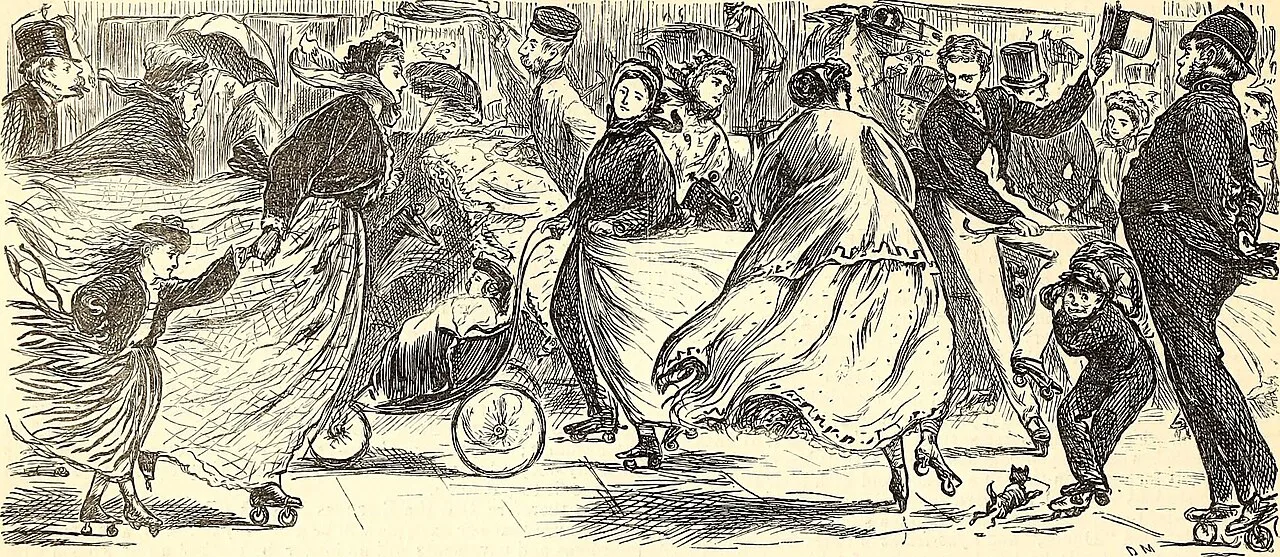
In the 1840s, Meyerbeer's opera Le prophète featured a scene set on a frozen lake. The production had no ice to put on stage, so the performers playing the skaters wore roller skates instead, gliding across the set the way ice skaters glide on a pond. According to the record of the sport, that exposure is what set roller skating off across Europe. "This exposure had an impact on audiences and led to the rise of roller skating as a new and popular activity throughout the Continent."
Wheeled skates were not new. The earliest reported use of them was on a London stage in 1743, and in 1760 a Belgian inventor named John Joseph Merlin patented the first roller skate, a single line of wheels where an ice blade would go. Merlin showed it off at a party in Huy, skating around while playing the violin. It was hard to steer and had no brake, so it stayed a novelty. What the opera did was put the thing in front of an audience, with performers who could actually use it. A show puts an audience in front of a thing and shows them what it looks like when it is done well.
The skate itself caught up in 1863, when James Plimpton of Massachusetts built a four-wheel skate with independent axles that turn when you lean to one side. That gave skaters edges, the ability to carve turns the way figure skaters did on ice, and it was a vast improvement on Merlin's design. The boom that followed got a name: rinkomania, in the 1860s and 1870s, spreading to Europe and around the world. The rest of the history is on the Wikipedia page en.wikipedia.org: rubber wheels in the 1970s, a decline in the 1990s, and a revival in the late 2010s driven by viral videos and 1970s nostalgia, with brands back-ordered.
What I like is how the spread worked. There was no product launch here, no advertising campaign. There was a stage effect that solved a staging problem, in a show that put it in front of an audience, and the audience took it home in their heads. Something similar runs through the rest of the history: as ice skaters developed figure skating, roller skaters wanted to turn in their skates the same way. The opera was the distribution.