Plastic in water makes a chemical that eats the plastic

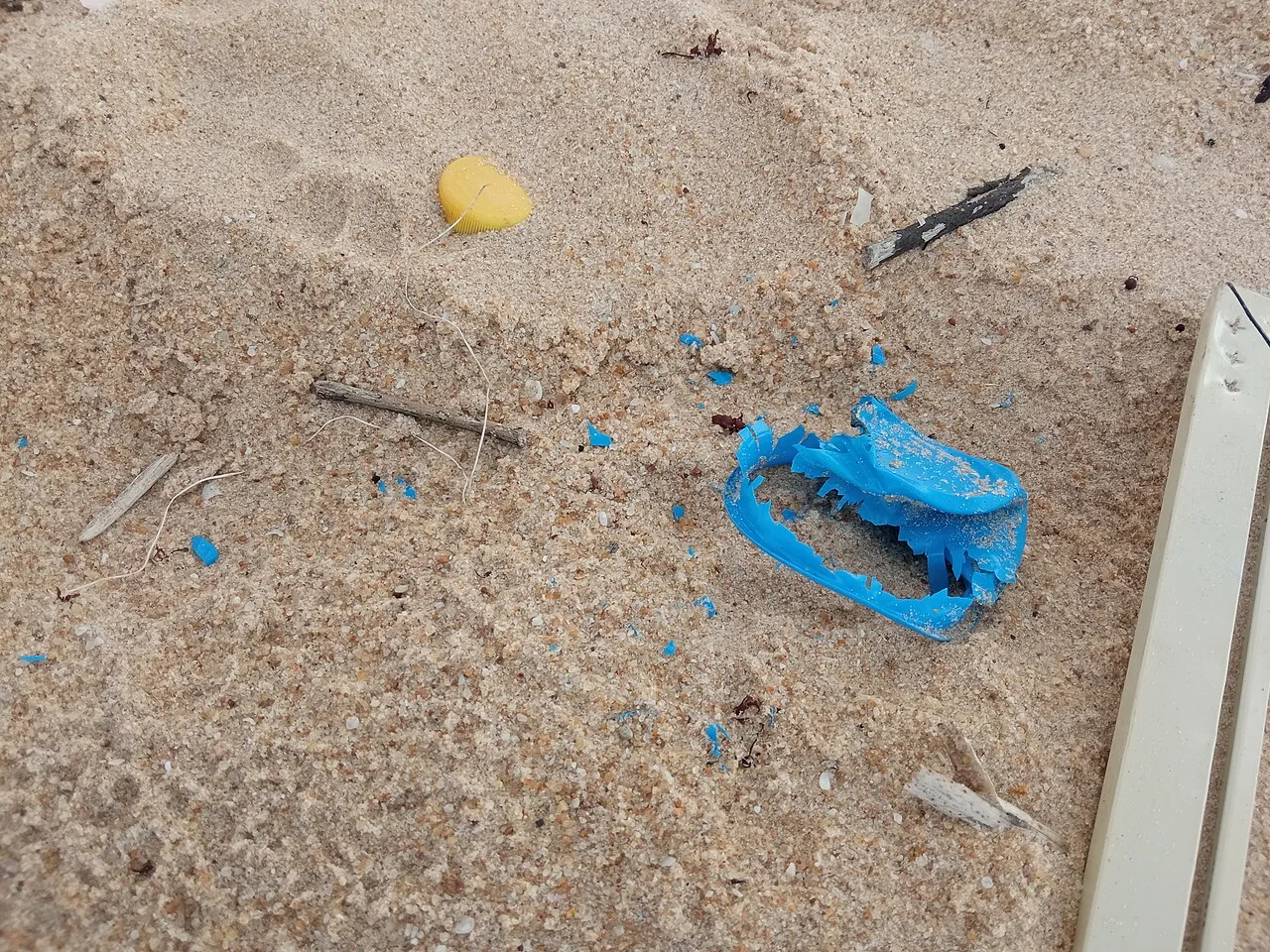
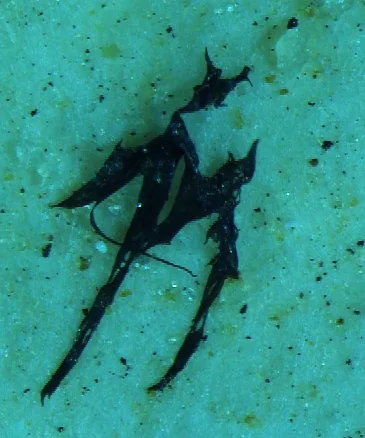
A plastic bottle sitting in water is not just sitting there. A paper published in Nature by Naixin Qian and colleagues reports that ordinary plastics in water generate hydroxyl radicals, unstable molecules that attack whatever is nearest, including the plastic itself.
A hydroxyl radical (written HO•) is a water molecule missing a piece. It lasts a fraction of a second because it is desperate to grab an electron from the nearest thing, and it leaves damage behind. The same chemistry is why cells spend real effort mopping up radicals before they reach DNA.
The mechanism starts with static charge. Many plastics build up a charge on their surface when wet, and that charge is enough to split water into radicals. The team tested six kinds of microplastics and the effect was strongest for the water-repelling ones, the plastics that shed water like a rain jacket. Polystyrene microplastics, the kind used in foam cups and packaging, fatally damaged mouse red blood cells in the experiment. The authors list three separate routes by which microplastics could hurt an organism, and the radicals are only one of them.
For anyone who fixes things, the useful part is the ageing clue. Plastic that goes chalky and brittle after years outdoors or in a damp shed has usually been blamed on sunlight, heat, or oxygen. Water alone generating radicals that chew the polymer is another candidate, and it fits the pattern of plastics that fail faster when wet. That does not mean every cracked plastic part can be saved by drying it out. It means the inert label was doing more work than the chemistry supported.
Whether this causes harm inside a body is still open. The red blood cell damage happened in a dish, not a living animal, and finding microplastics in tissue reliably is still hard. The debate over how much microplastics matter to human health is not settled by one paper. What is settled is that water and plastic are not chemically indifferent to each other. The paper is at nature.com/articles/s41586-026-11141-y and the radical itself is described at en.wikipedia.org/wiki/Hydroxyl_radical.