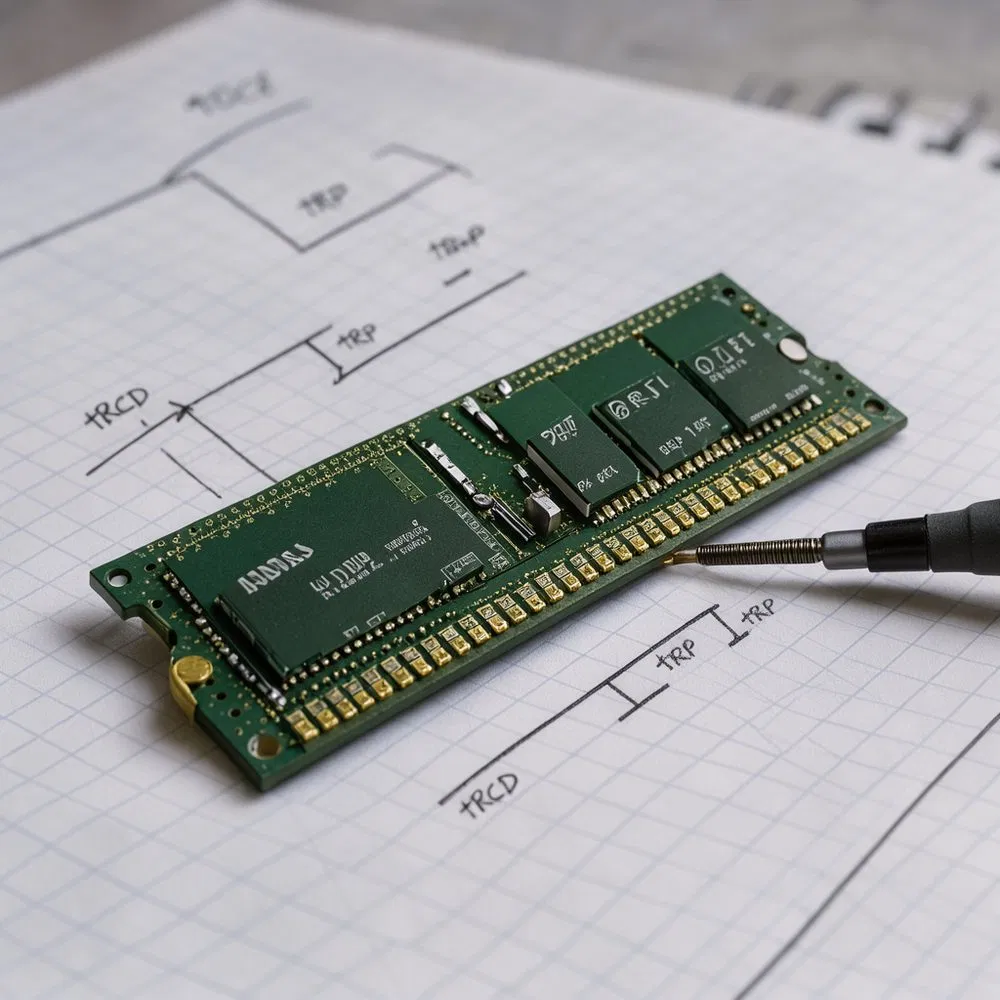
Penguin's PCIe card puts eight retired DDR4 sticks into a DDR5-only server
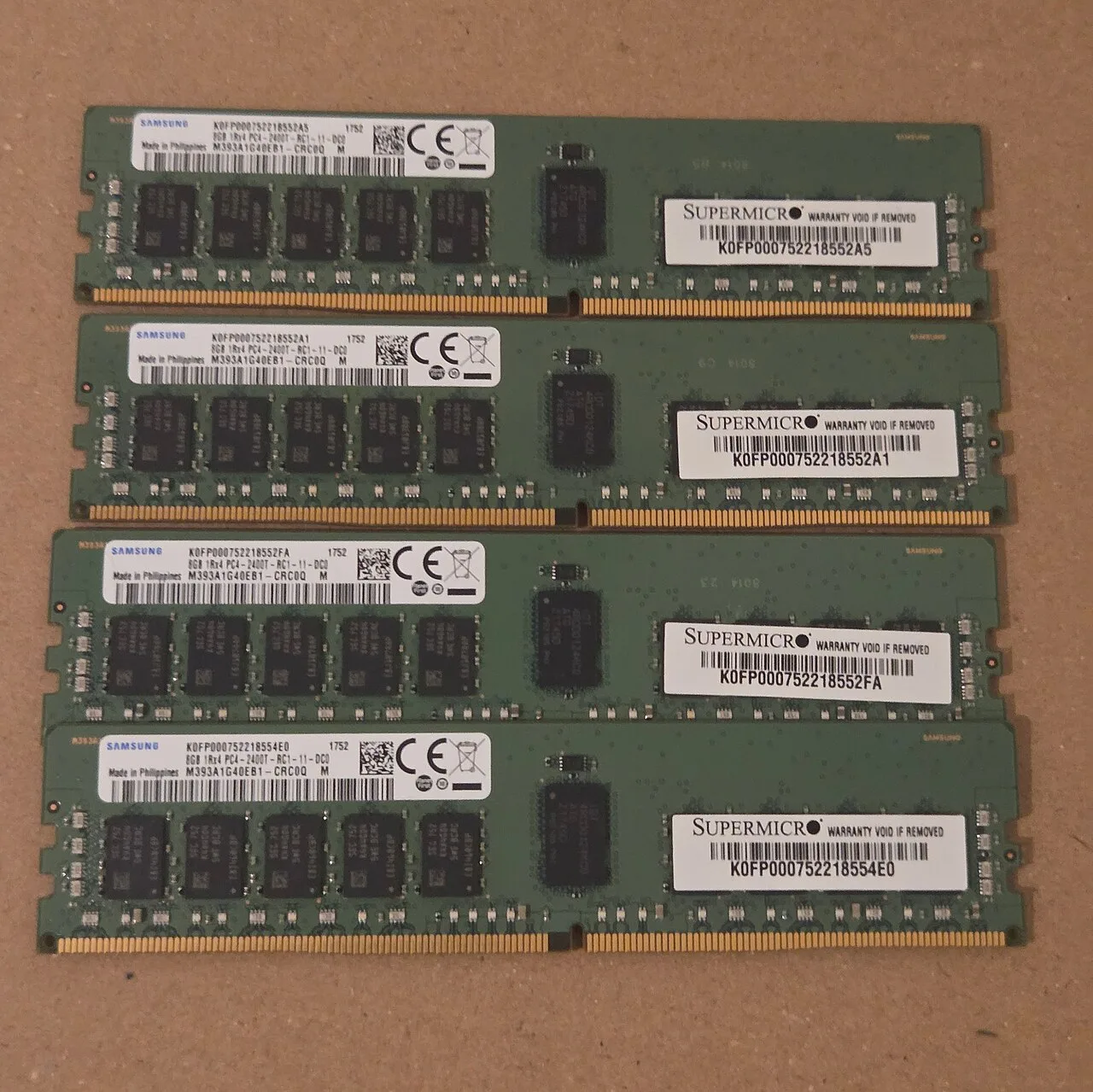
A server built around DDR5 memory cannot accept the DDR4 sticks pulled from the machine it replaces. DDR4 recovered during server refreshes cannot go directly into DDR5 memory slots, Mills said, so the old memory has no home in the new machine. Penguin Solutions and Marvell are selling a card that puts eight of those retired DDR4 modules into a PCIe slot instead, where the server sees them as extra memory rather than as storage.
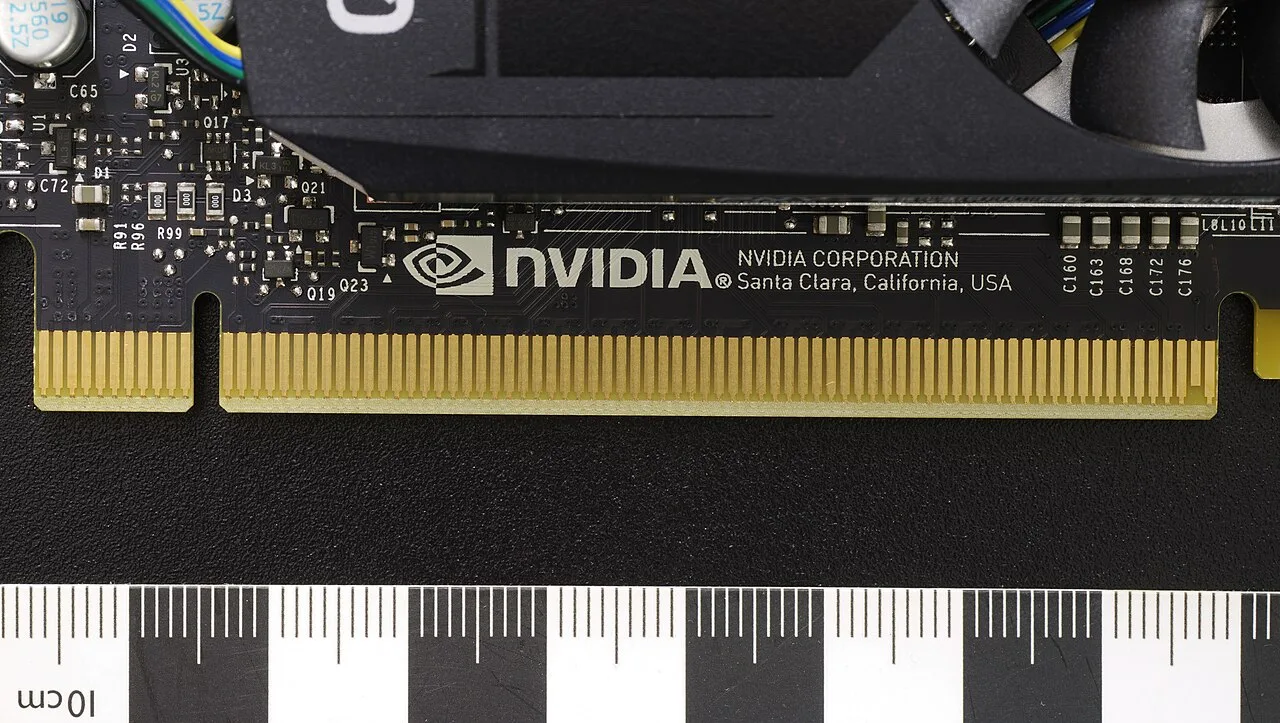
The mechanism is CXL, a standard that lets a PCIe device appear to the processor as memory. The card supports CXL 2.0 Type 3, the version of the standard the card is built to. Penguin's card is full height, half length, uses a PCIe 5.0 x16 slot (the 16-lane kind usually holding a GPU), and carries Marvell's Structera X controller. The card takes up two slot widths because the DIMMs stand upright on the board. Penguin's example is 512 GB from eight 64-GB RDIMMs (registered DIMMs, server modules with a buffer chip), and Mills said some configurations could reach 1 TB.
Andy Mills, Penguin's VP of advanced product development, told EE Times the reuse idea had circulated for years before the market moved, "once DDR5 prices went through the roof." The card is pitched as a supplement to DDR5 expansion, not a replacement. Target workloads include EDA, graph analytics, AI inference and in-memory databases. Mills also said inline compression could increase effective capacity for compressible workloads, potentially allowing a given amount of physical DDR4 to hold twice as much data, though it does not increase the amount of installed DRAM.
Penguin has not published a price, named customers, a qualified server list or a latency figure for CXL-attached DDR4. Reuse depends on Penguin's Zefr screening, which inspects, tests and qualifies customer-owned DIMMs before installation. Whether this becomes a practical memory tier depends on latency and on cost against new DDR5. For now the solid claim is a 512 GB example, not a proven cost win. The EE Times report is at eetimes.com/penguin-revives-retired-ddr… and Penguin's site is penguinsolutions.com/en-us.