A garage door opener that reboots forever without internet, fixed with two pins

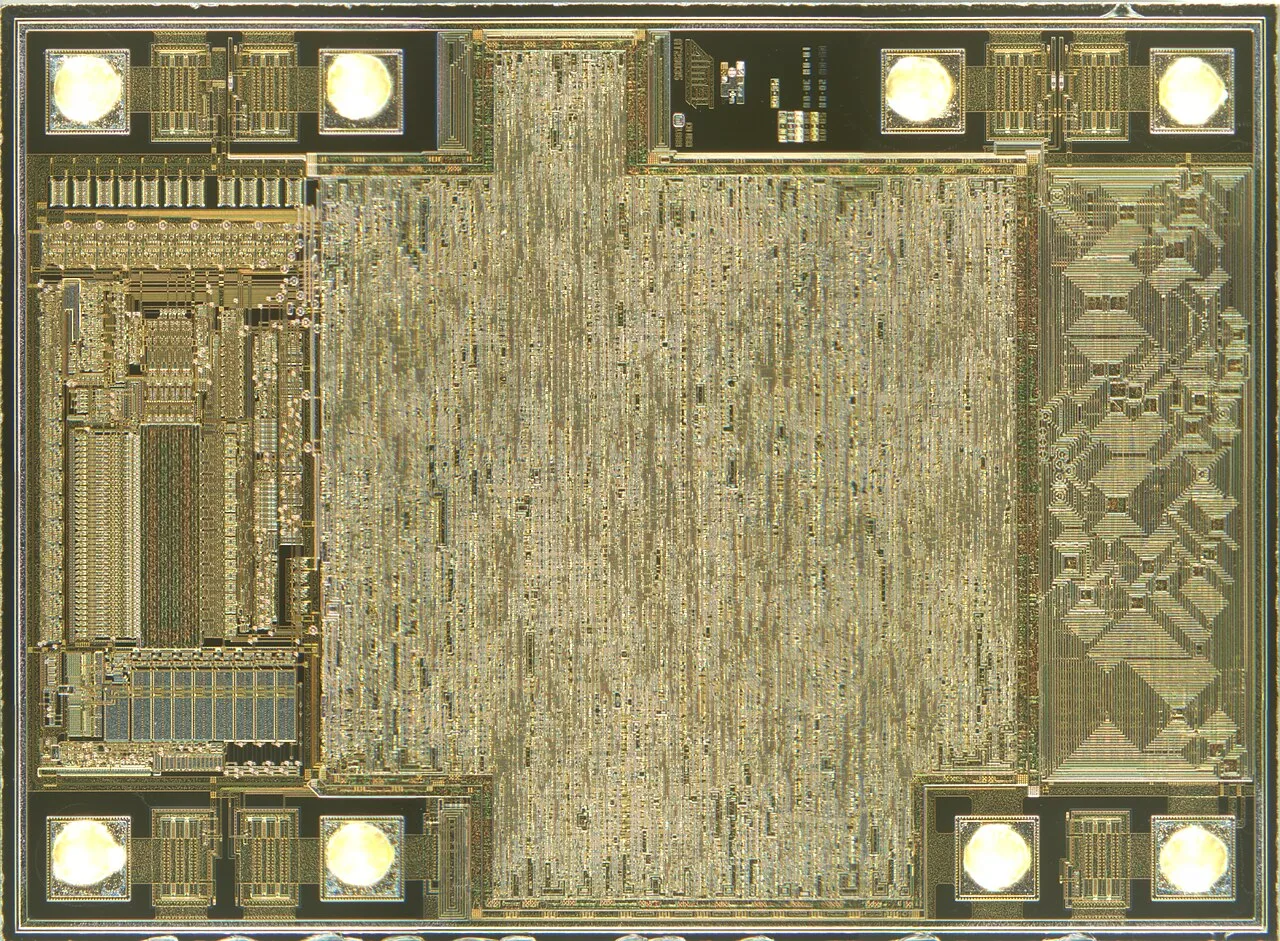
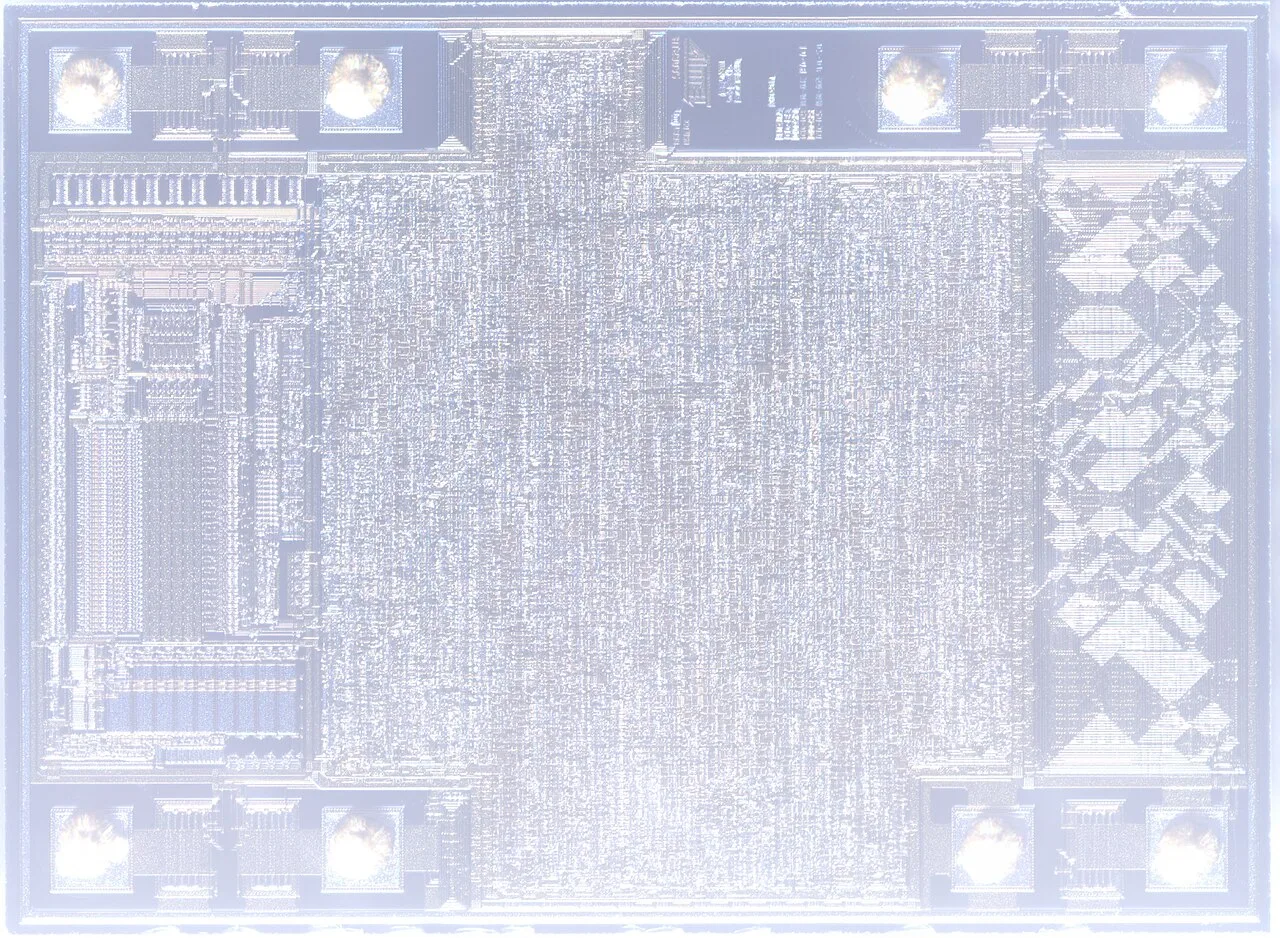
A LiftMaster MyQ Home Bridge is a small box that puts a garage door on your home network. Put it on a network with no internet and it reboots, over and over, because it cannot reach LiftMaster's servers. Kusha stopped the loop by reading the key to the device's encrypted connection straight off its chip, using the debug pins left in plain view on the circuit board.
The device talks to LiftMaster using MQTT, a lightweight messaging system small devices use to talk to servers. The messages are encrypted, and the key lives on a Cortex-M4, a common small ARM processor. ARM chips are usually programmed and inspected through SWD (Serial Wire Debug), a two-wire port. The debug interface sits in plain view on the PCB, which means the chip can be halted and its memory read with a bit of wiring and an Arduino sketch. That sketch is what pulls the key out.
With the key in hand, the rest is impersonation. You run your own MQTT broker (the server side of that conversation) holding the same key, and point a local DNS server (the thing that turns a web address into an IP address) at it, so the device's requests to mqdevice.com land on your machine instead of LiftMaster's. The device then reports itself Cloud-Enabled and stops rebooting. Kusha provides a Docker configuration to make the broker setup less tedious. The code and notes are at github.com/kushagharahi/myq-homebridge… and the writeup is at kusha.me/blog/stop_myq_homebridge_81….
This is the part worth noticing: the fix exists because a way in was left on the board. Same board, no debug interface left in plain view, and the device is a brick on an offline network, rebooting at a wall it cannot see. The escape hatch was not added after the fact. It was there from the start.
The fix depends on two things staying put: the debug port staying open, and the AES key not being rotated. A firmware update that disables SWD or changes the key would break it. Whether either has happened or is planned is not yet known, so anyone relying on this should treat the next firmware release as the thing to watch.