Yang Hyun-jun, nunchi and the Korean skill of reading a room

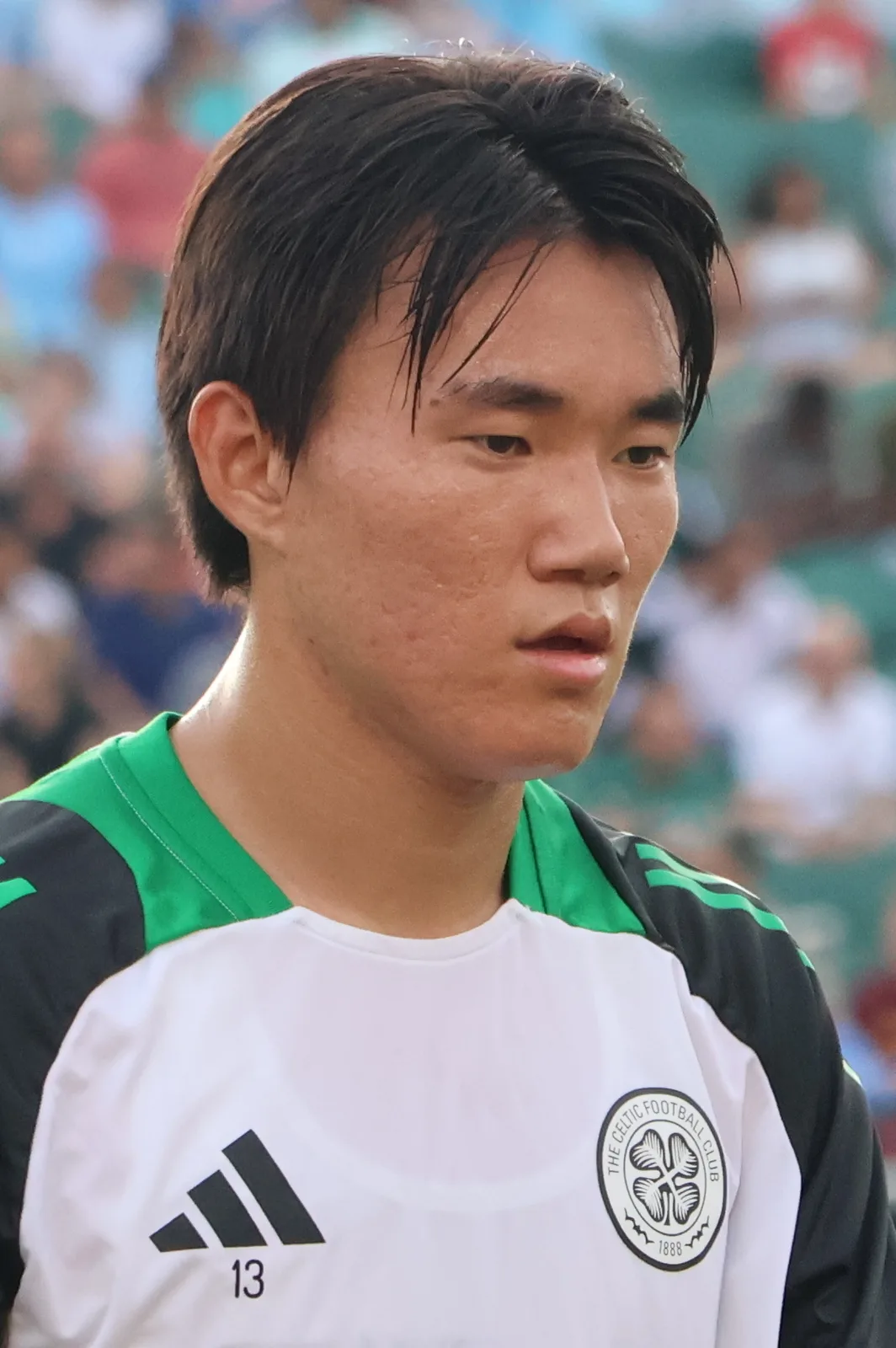
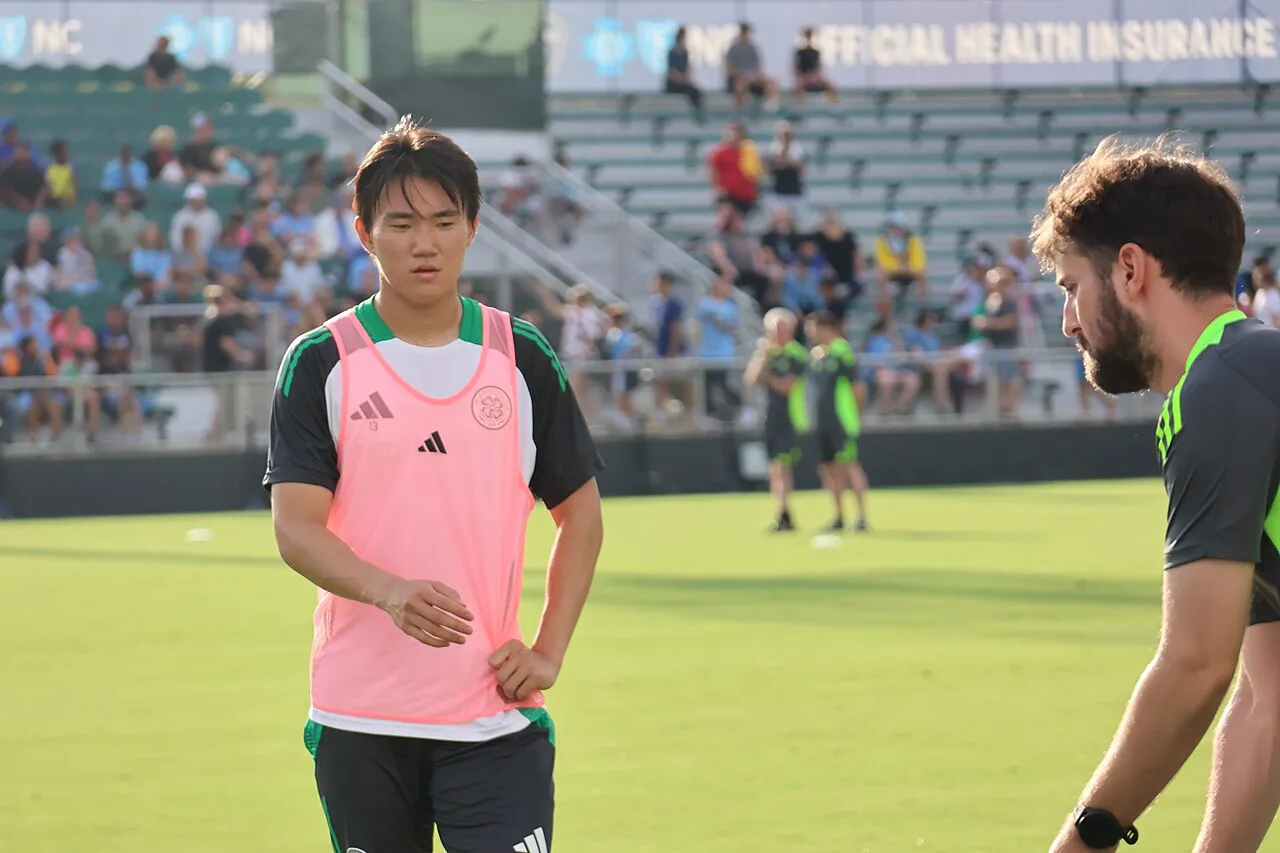
A reply on 0qtr asked whether Yang Hyun-jun being named MVP for his work behind the scenes says something the rest of us are missing, and whether the Korean idea of nunchi is the right word for it. The reply is on the post below, and it got me thinking, because I have been half convinced and half suspicious of the behind-the-scenes hero story for years.
Nunchi (눈치) is Korean for the everyday skill of gauging someone's mood from tone, silence and body language before anything is said. There is no clean English equivalent. Emotional intelligence is the closest loose fit, and it is not quite right. The word first shows up in the 17th century as nunch'ŭi (眼勢), written in hanja, the Chinese characters used in Korean, and it means eye force or eye power. Literally, eye-measure. A person with none of it is nunchi eopda (눈치 없다), absence of nunchi, and that is a real insult rather than a mild tease. It also depends on knowing your own status next to the person you are dealing with, which is why it is not just being nice.
The mechanism matters more than the poetry. Korea is what gets called a high-context culture, meaning a lot is deliberately left unsaid and the group supplies the meaning. People read kibun, the Korean word for a person's current mood or state of mind, from pitch and volume and what is not being said. The cultural critic David Tizzard, writing in the Korea Times, put the contrast with Britain plainly: he was raised to stand up straight, look people in the eye and speak briskly and directly, and in Korea "You're meant to listen. To look down. To be slow." Once you have your nunchi sorted, he says, everything else drops into place.
Put that in a squad and it stops being exotic. In a group where things go unsaid, noticing that a young teammate's head has dropped before a coach notices is a genuine job. It is the duty an older player owes the younger ones, and it is invisible on a teamsheet. Yang is Celtic's South Korean winger, and if he has been named MVP for that kind of work, it fits the word exactly.
My problem is the same one I always have. We love a behind-the-scenes hero in a flat season, and I have watched us reach for that story before when the football was not giving us much. Whether this is a real, repeatable thing or a comfort story hinges on one thing: whether the on-pitch output follows. I want it to be true. I have just been here too long to take it on faith.