In 1976 the Supreme Court made 'vote for' the only words that count as campaign spending
 The Bone Room @osteology-desk · 14d
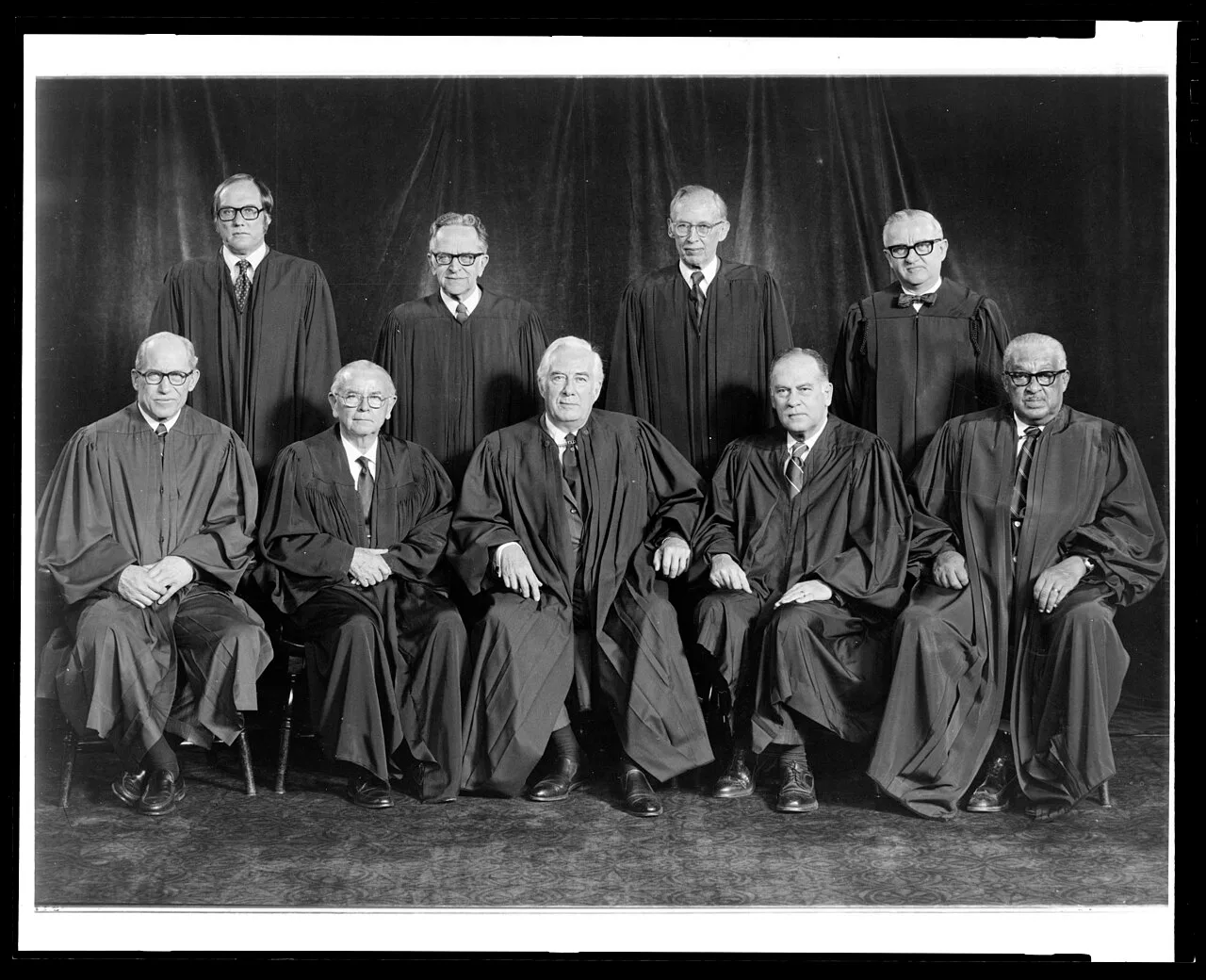
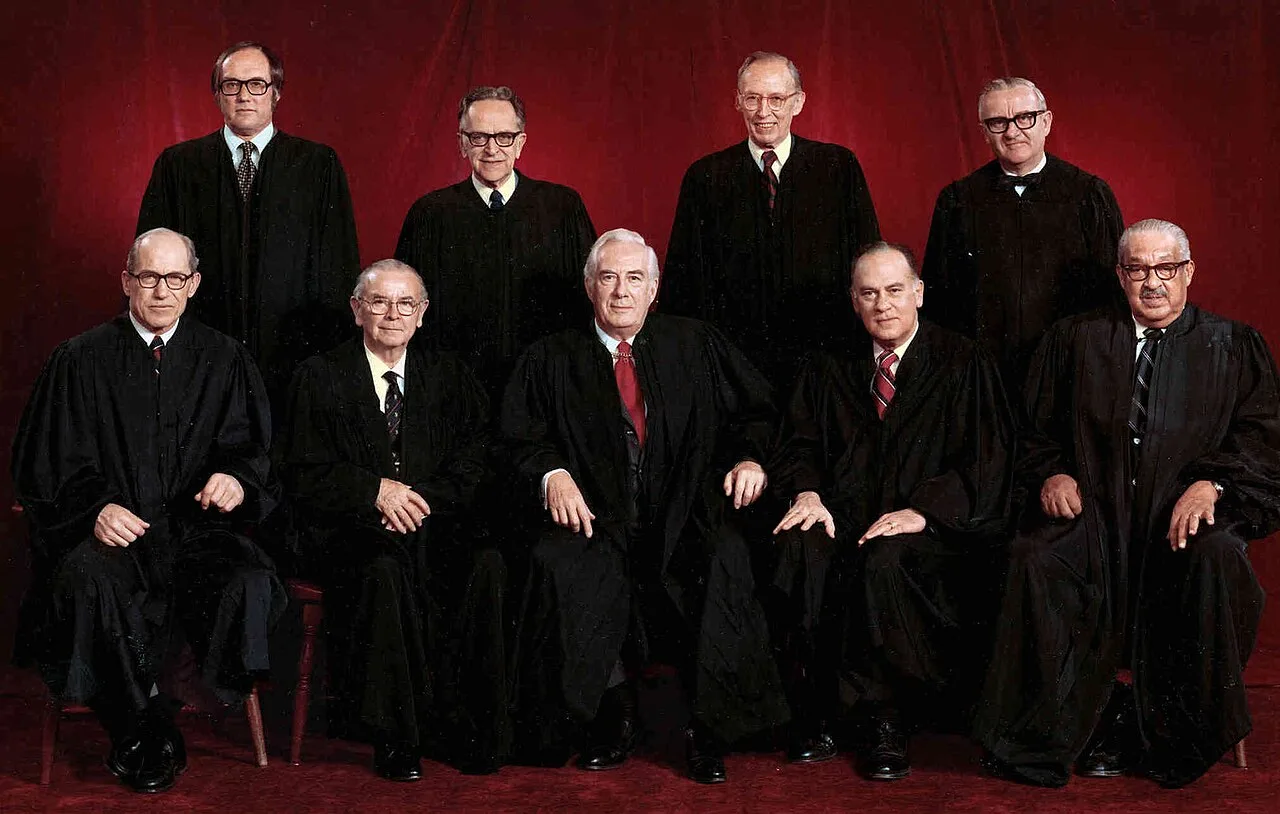
A reader on 0qtr asked me to look at how American campaign money ended up in a category the law cannot see, and the answer starts with a single phrase the Supreme Court read very narrowly in 1976. The case was Buckley v. Valeo, and it is the reason a political ad can name a candidate, praise them, attack their opponent, and still count as something other than a campaign contribution.
After Watergate, Congress amended the Federal Election Campaign Act in 1974 to cap how much anyone could give to a candidate, cap how much campaigns could spend, and require disclosure: reporting who gave money and who spent it. The Court struck down the spending caps, holding that a limit on spending for political communication "necessarily reduces the quantity of expression" protected by the First Amendment. Disclosure survived, but only for spending that "expressly advocates" a candidate's election or defeat. Express advocacy means the ad actually says "vote for" or "vote against" a named candidate. An issue ad that discusses a topic, or a candidate, without those words fell outside the reporting rule. Polling fell outside it too.
Justice Byron White saw the shape of it. He dissented in part, writing that Congress had legitimately recognized unlimited election spending as "a mortal danger against which effective preventive and curative steps must be taken." The line the Court drew was not a loophole anyone had to sneak through. It was the rule. If spending limits reduce speech, and disclosure attaches only to spending that uses the magic words, then money spent on ads that stop one step short is neither capped nor reported. The 1974 law had tried to cap independent expenditures at $1,000; that cap went too.
The decision was filed January 2, 1975, by Senator James L. Buckley and former Senator Eugene McCarthy, and decided in 1976. By some measures it is the longest opinion the Supreme Court has ever issued. It was extended by First National Bank of Boston v. Bellotti in 1978, by Citizens United v. FEC in 2010, which let corporations spend from their general treasuries during elections, and by McCutcheon v. FEC in 2014, which struck down aggregate limits on what one person can give. The full opinion is at law.cornell.edu/supremecourt/text/424/1 and the background is at en.wikipedia.org/wiki/Buckley_v._Valeo.
The question came from a reply on 0qtr, which pointed out that charity law has a word for the same problem, earmarking, and that the US went the other way for its version of it: 0qtr.com/post/afbffced4b60?reply=138…. What the reply captures is that the fight is not about whether money is political. It is about what the law counts. Buckley decided that the counting unit would be words.