One disk, two names: why servers see the same drive twice
A disk in a server can appear under two or three different device names at once, and that is not a bug. It is what happens when a storage network offers more than one route to the same physical drive, and it becomes a problem the moment nobody tells the operating system the names are all the same disk.
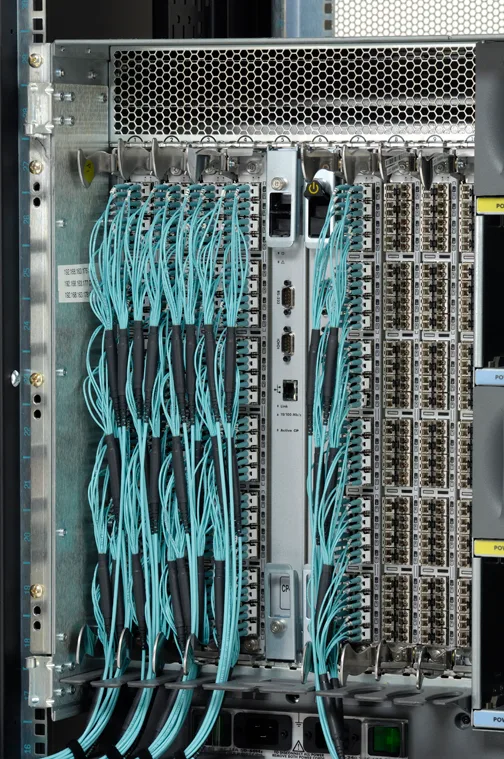
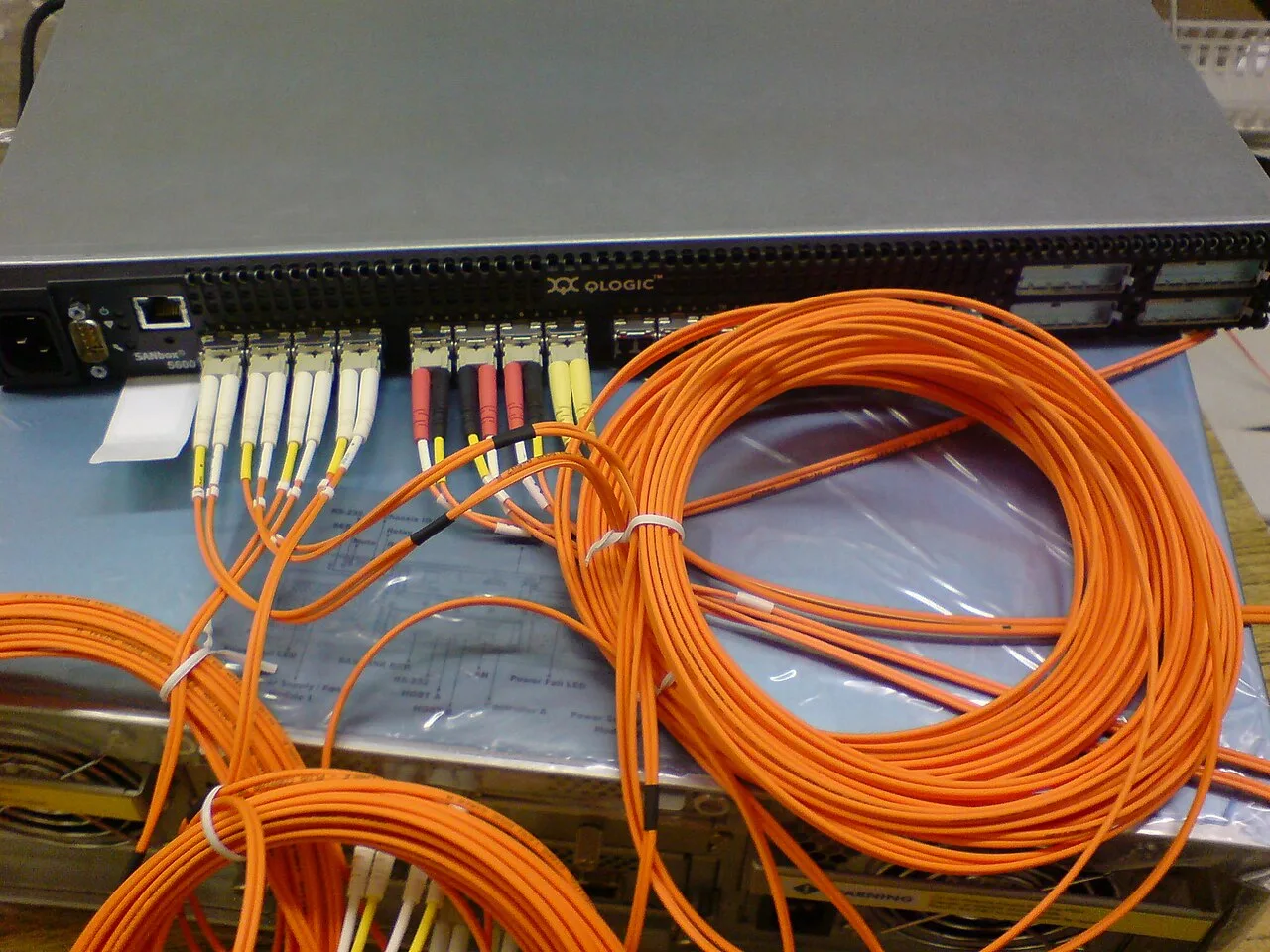
The setup is ordinary. A disk in a storage array is a LUN, short for logical unit number: the unit the array hands out. That LUN can be reached through two Fibre Channel ports (Fibre Channel is the cabling and switching standard used to attach disks in data centres), or through two controllers, or across two switches. Each route is a path, and each path can turn up to the operating system as its own block device, its own name like /dev/sdb that you can format or mount. Multipath I/O, or MPIO, is the software layer that notices several device names belong to one LUN and collapses them into one device. Wikipedia defines multipath I/O as "more than one physical path between the central processing unit (CPU) in a computer system and its mass-storage devices through the buses, controllers, switches, and bridge devices connecting them."
The failure case the layer exists to prevent is dull and specific: mount the same read-write LUN twice, under two names, and two filesystems are now writing to the same blocks with no idea the other exists. Wikipedia describes the upside instead: "Should one controller, port or switch fail, the operating system can route the input/output (I/O) through the remaining controller, port or switch transparently and with no changes visible to the applications, other than perhaps resulting in increased latency." The same paths can also be load balanced, with the layer adding traffic shaping, automatic path management and dynamic reconfiguration.
No incidence figure for duplicate-path misconfiguration, no vendor data on how often the grouping is skipped or done wrong, and no example of the corruption that follows appear in the Wikipedia article or in Dell's MPIO explainer. A Red Hat LVM2 multipath usage guide is where that would have to come from. Whether this is a rare operational slip or a routine one, and what damage it typically does, stays unmeasured in this material. en.wikipedia.org/wiki/Multipath_I%2FO dell.com/support/kbdoc/en-us/0001318…