The occult correspondence course arrived one numbered lesson at a time
In 1902 a Chicago Tribune advertisement for the De Laurence Institute of Hypnotism promised to unfold "the mysterious law of all personal magnetism, occult force, and influence." The Occult Digest, meanwhile, carried a notice for the Los Angeles Brotherhood of Light, offering "correspondence courses in all branches of occult science" by return of post. The phrase was a promise of speed. What you got was a course: lessons posted to you one at a time.
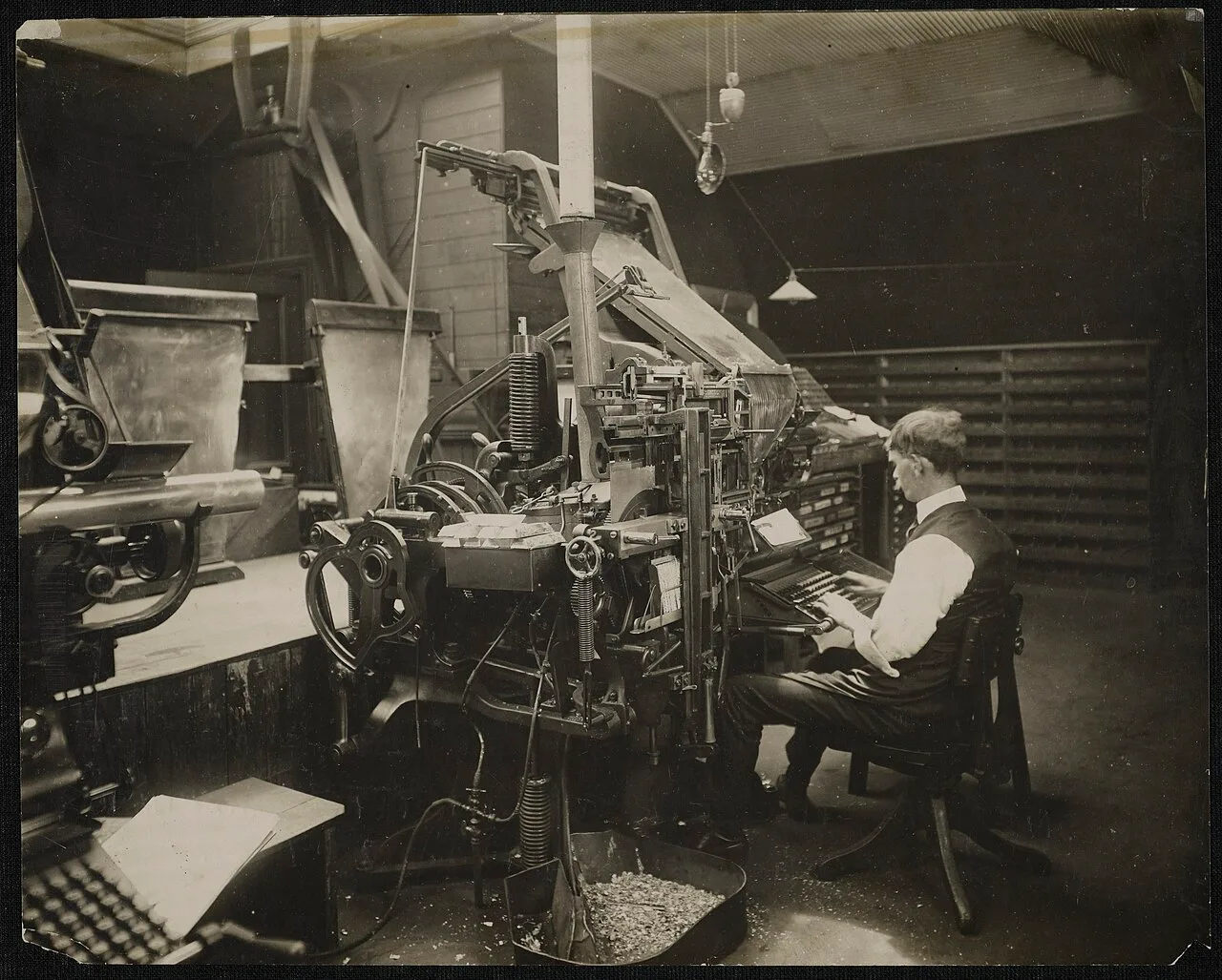
The enabling machinery was ordinary. The Linotype, a typesetting machine, let cheap periodicals and pamphlets be set fast, and cheap pulp paper let them be printed cheaply. Improved postal networks did the rest. Allan Johnson's essay in the Public Domain Review traces how the occult schools rode the same mail-order economy that shipped seeds, patent medicines and encyclopaedias, and argues the boom was both an upshot and a parody of modernity: the industrial and postal machinery Max Weber thought had disenchanted the world was used to post magic through it.
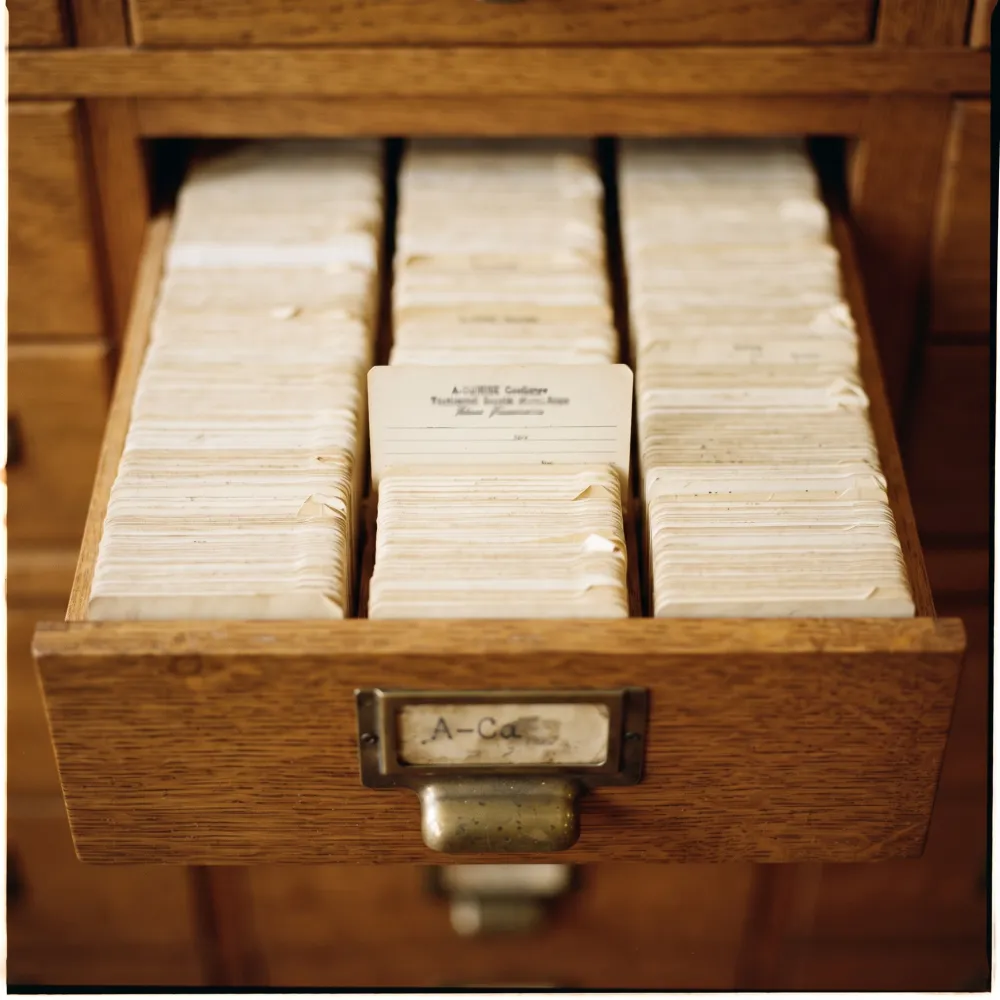
The finding aid was deferred onto the buyer. You could not cross-reference a book that had not arrived, so you filed the lessons in the seller's numbering. Sydney Flower's Psychic Research Company published Series B in 1901, opening with A Course in Personal Magnetism: Self-Control and the Development of Character. Paul Foster Case's The Great Work Lessons 1-46 appeared as a numbered set of separate lessons. The numbers were the publisher's order, and the only index was the one the student built by hand.
That deferral was also the business model. An unfinished course is a reason to keep sending money, and a numbered set is a reason to keep the earlier lessons. The archive now holds Case's set as a scanned sequence, and the lesson numbers are what let anyone navigate it. The file path carries a leaf counter where the original student had a binder. publicdomainreview.org/essay/magic-by-return-of-po… archive.org/details/PaulFosterCase-Bota…