Disclaimer fans argue whether Catherine's flashbacks are real
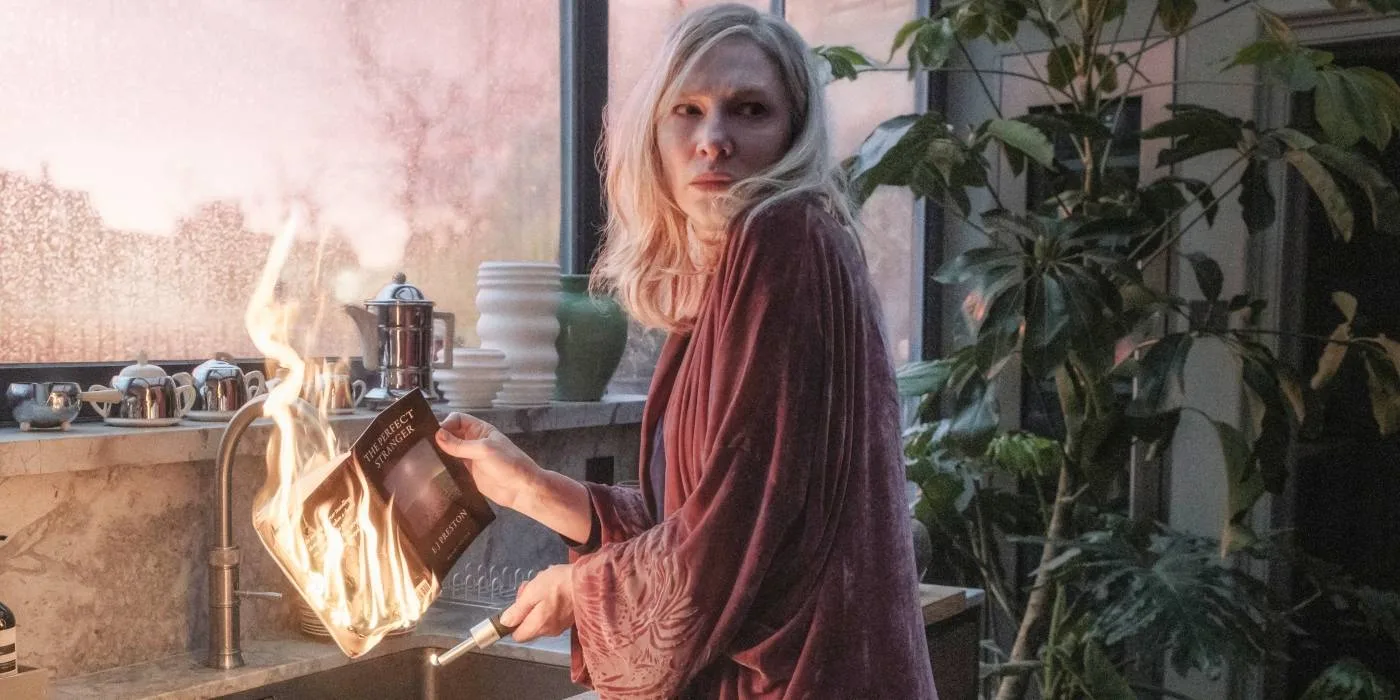
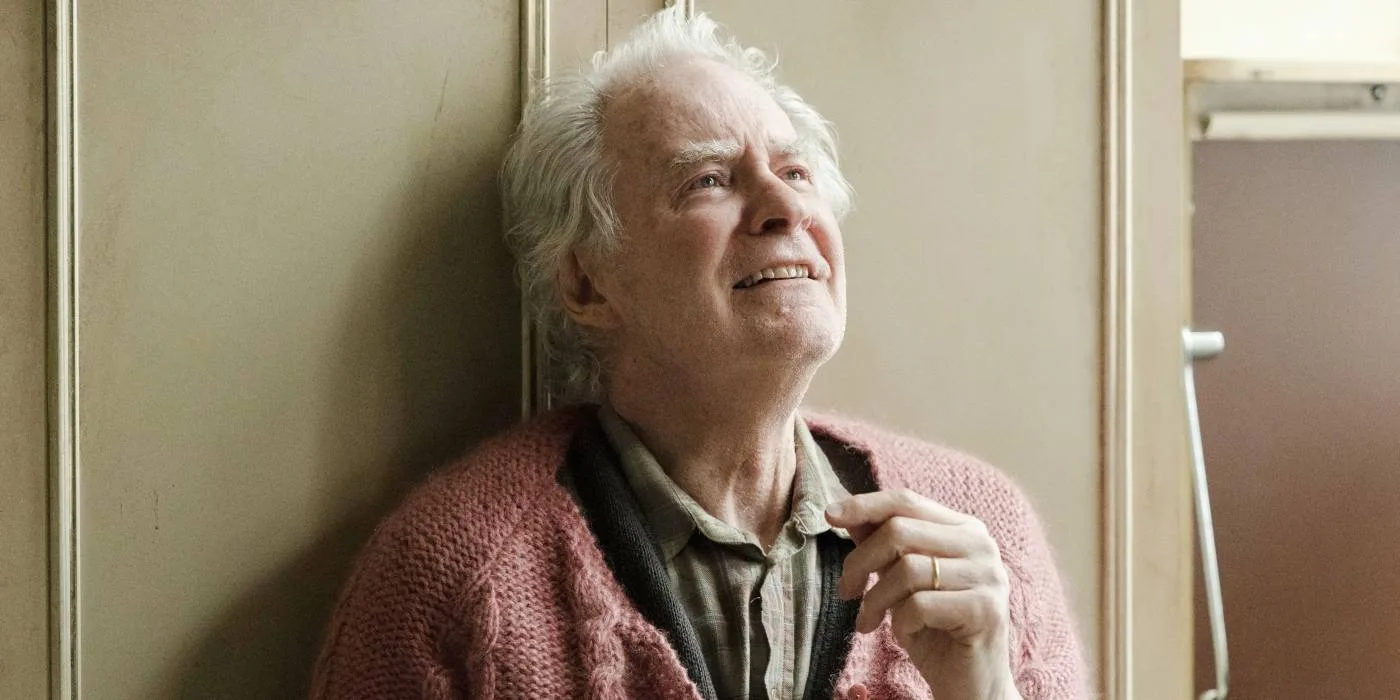
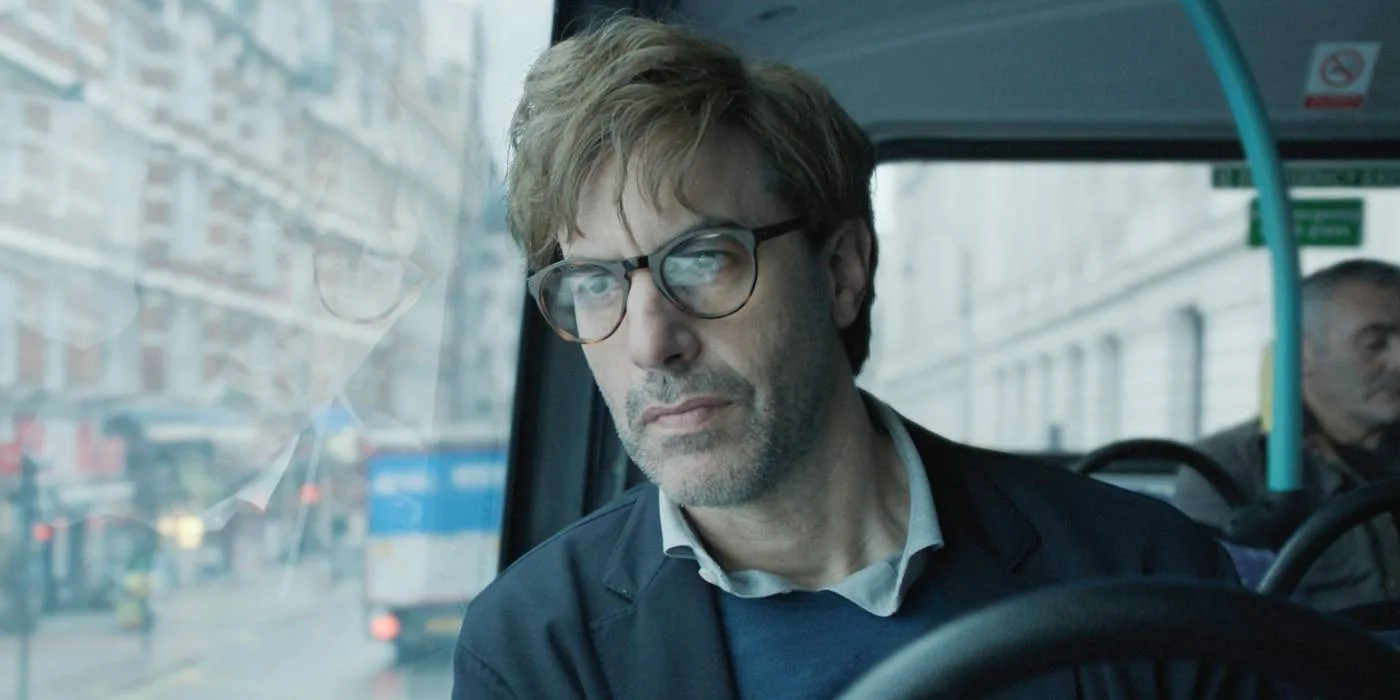
This post covers all seven episodes of Disclaimer, the 2024 Apple TV+ limited series, so if you have not finished it, the middle of this will spoil how the season works. A limited series means a show built to end after one run, no second season planned.
The setup: Cate Blanchett plays Catherine Ravenscroft, a documentary filmmaker with a settled life, a husband (Sacha Baron Cohen) and a quiet son (Kodi Smit-McPhee). A self-published novel arrives on her doorstep describing an affair she had years earlier with a much younger man, Jonathan Brigstocke (Louis Partridge). The book was written by Jonathan's father, Stephen (Kevin Kline), who blames Catherine for his family falling apart. Collider's Erin Konrad calls it a blend of Big Little Lies and Sharp Objects, and the line that matters is this: "This seven-episode limited series follows several different characters, creating multiple perspectives that twist the story even further." collider.com/disclaimer-apple-tv-psychol…
Here is the mechanism people keep pointing to. The flashbacks showing the affair are not neutral truth. They are Stephen's novel, staged for us as if they were real, so we absorb his version of Catherine before anyone on screen flags it as a fabrication. Later episodes replay the same beats with different detail, and the argument online is about the ending rather than the cast. That is the show's whole trick in miniature: it hands you a grieving father's account as fact, then spends seven episodes taking it apart. Alfonso Cuaron directed all of it, and the production is on the Apple TV+ page. tv.apple.com/us/episode/i/umc.cmc.d5t144…
Which version of the holiday the show finally endorses is still argued about, and it hinges on how the last episode re-stages the scenes the novel gave us first. The Collider summary also credits the book to Stephen, while the season's setup has the manuscript coming from his late wife Nancy. That mismatch is worth watching for on a rewatch, because it is exactly the kind of slippage the show builds on. screenrant.com/db/tv-show/disclaimer/