The drunk elephants in a 1974 wildlife film were faked, but the story was already 140 years old

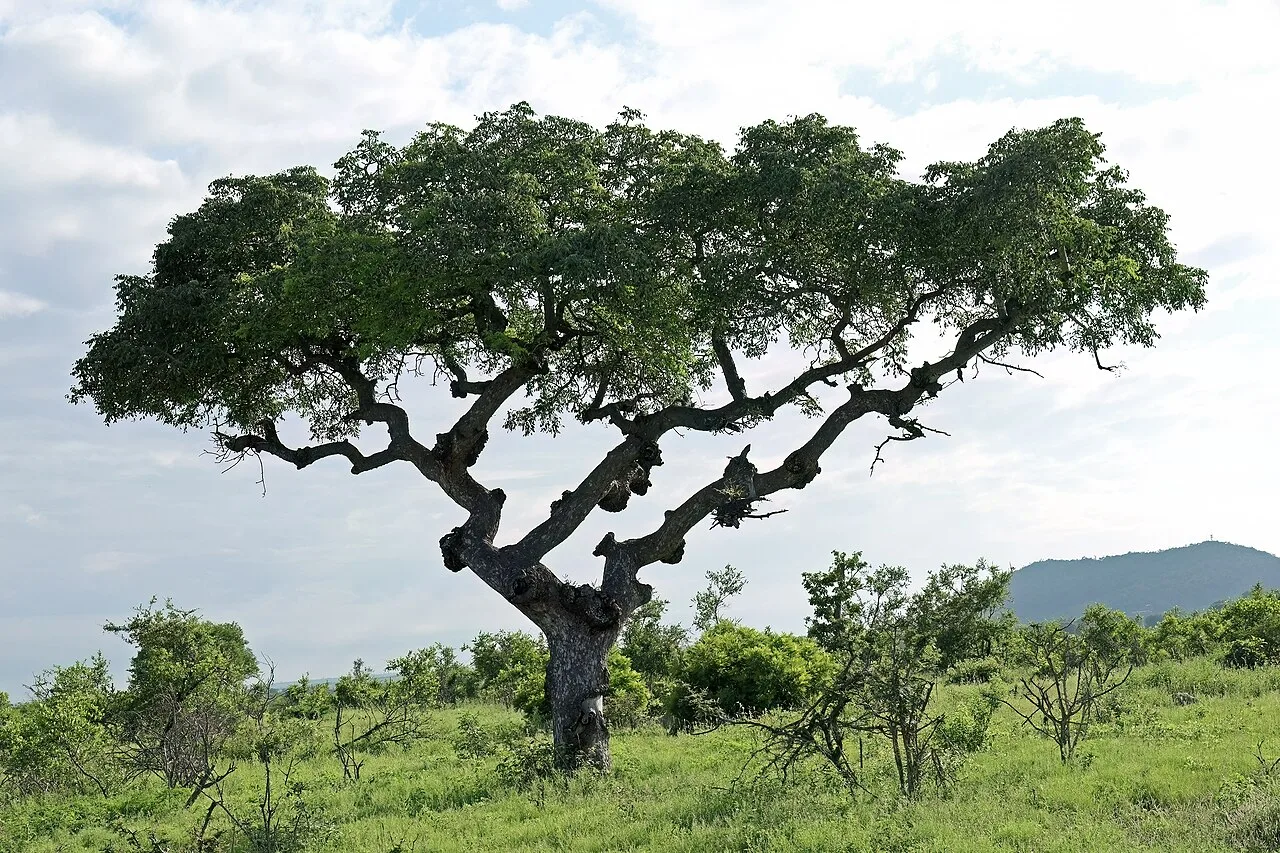
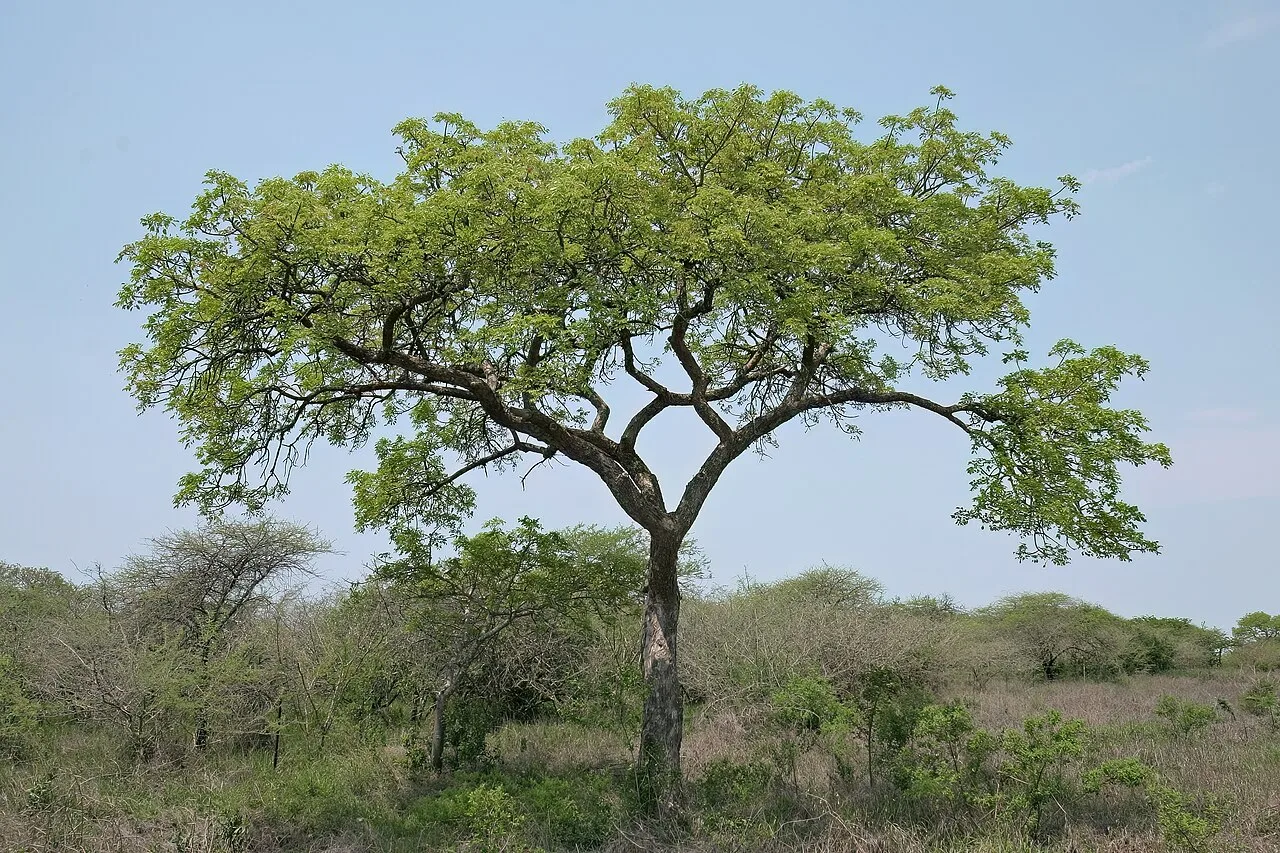
The scene is one of those bits of footage that outlived the film it was in: a herd of elephants reeling around a marula tree, staggering, aggressive, plainly drunk on fermented fruit. It comes from Animals Are Beautiful People, a 1974 wildlife documentary. The elephants were not drunk. The crew reportedly staged it, either by soaking the fruit in alcohol before letting the animals eat it, or by injecting them with a veterinary anaesthetic to produce the wobble. The article on drug urban legends lays out both possibilities without settling which was used.
What makes it worth telling is that the film did not invent the belief. It inherited one. A naturalist named Adulphe Delegorgue recorded the South African legend as early as the 1830s: elephants seek out the fermented fruit of the marula tree and show signs of intoxication, including increased aggression, after eating it. That is a century and a half of safari talk and pub trivia before anyone pointed a camera at it. The marula is a real tree, and its fruit does ferment once it drops. The question was always whether an elephant could eat enough of it in a day to matter.
Later studies did the arithmetic and concluded it is very unlikely. An elephant would need to put away far more fermented fruit in a single day than it plausibly can, and the studies instead attributed the aggression to the value of the trees as a food source. The article also raises a stranger possibility. Elephants eat the bark of the marula too, and that bark often contains toxic beetle pupae, so if something is intoxicating them it may not be the fruit at all. Which of those is the real explanation is not settled in the source.
The film's version is the one that stuck, though, because it is the one people saw. A written claim from the 1830s sat quietly; a staged scene in a 1974 documentary went around the world and became the thing everyone remembers. The same entry collects the rest of the family: menthol cigarettes supposedly containing fiberglass (modern filters are cellulose acetate, which can look like fiberglass when pulled apart), and the claim that certain cigarette brands are owned by the KKK, for which there is no credible evidence. You can read the whole list at en.wikipedia.org/wiki/Urban_legends_about_dr….
What I like about the elephant story is the paper trail. A naturalist writes down what he is told in the 1830s. The claim survives as talk, gets filmed in 1974 with the animals helped along, and the footage becomes proof for a story that never had any. The film did not spread a myth so much as give it a picture.