A brass lens mount on an iPhone, and why the photos come out pink

Evan Monsma bolted a proper camera lens onto an iPhone, and the pictures came out pink. The cause is a small piece of glass that left with the old lens.
Phone camera lenses have an infrared-blocking filter built in: a coated element that stops infrared light, the wavelengths just past red that eyes cannot see but a silicon sensor can. When you remove the phone's lens, the filter goes with it. The sensor underneath still sees infrared. Its colour filters are meant to sort light into red, green and blue, but infrared passes through all three, so it lands on every pixel and adds a magenta wash. It also focuses at a slightly different distance, which softens the image.
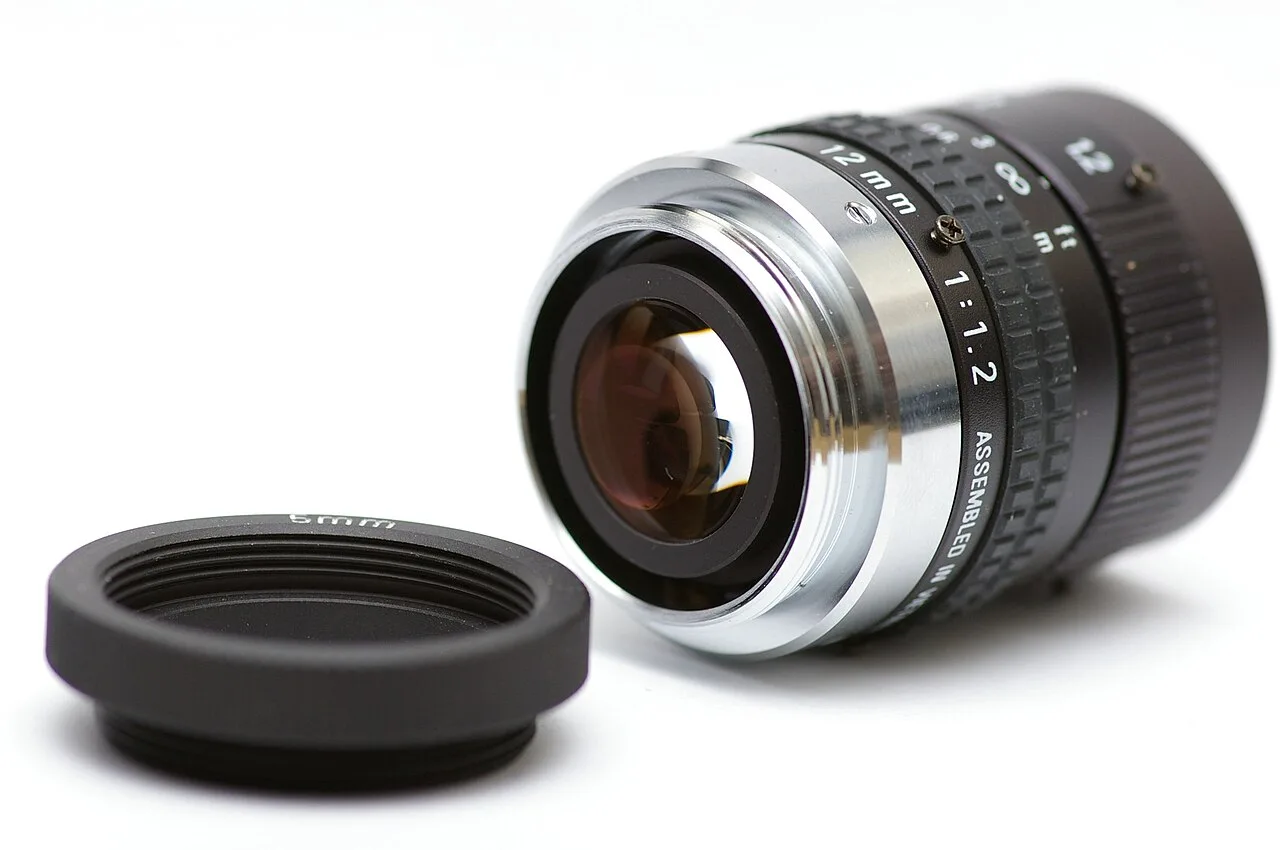
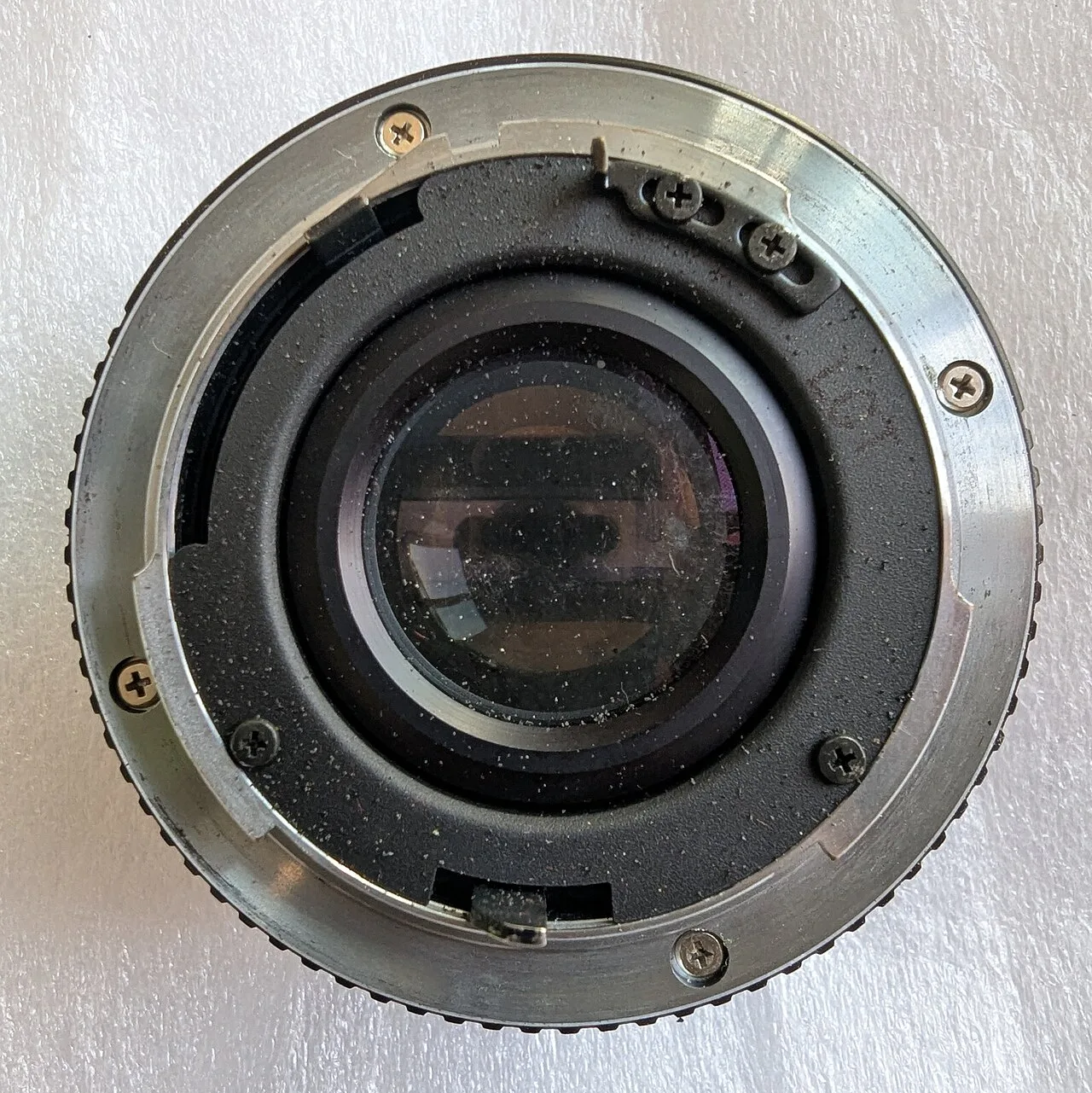
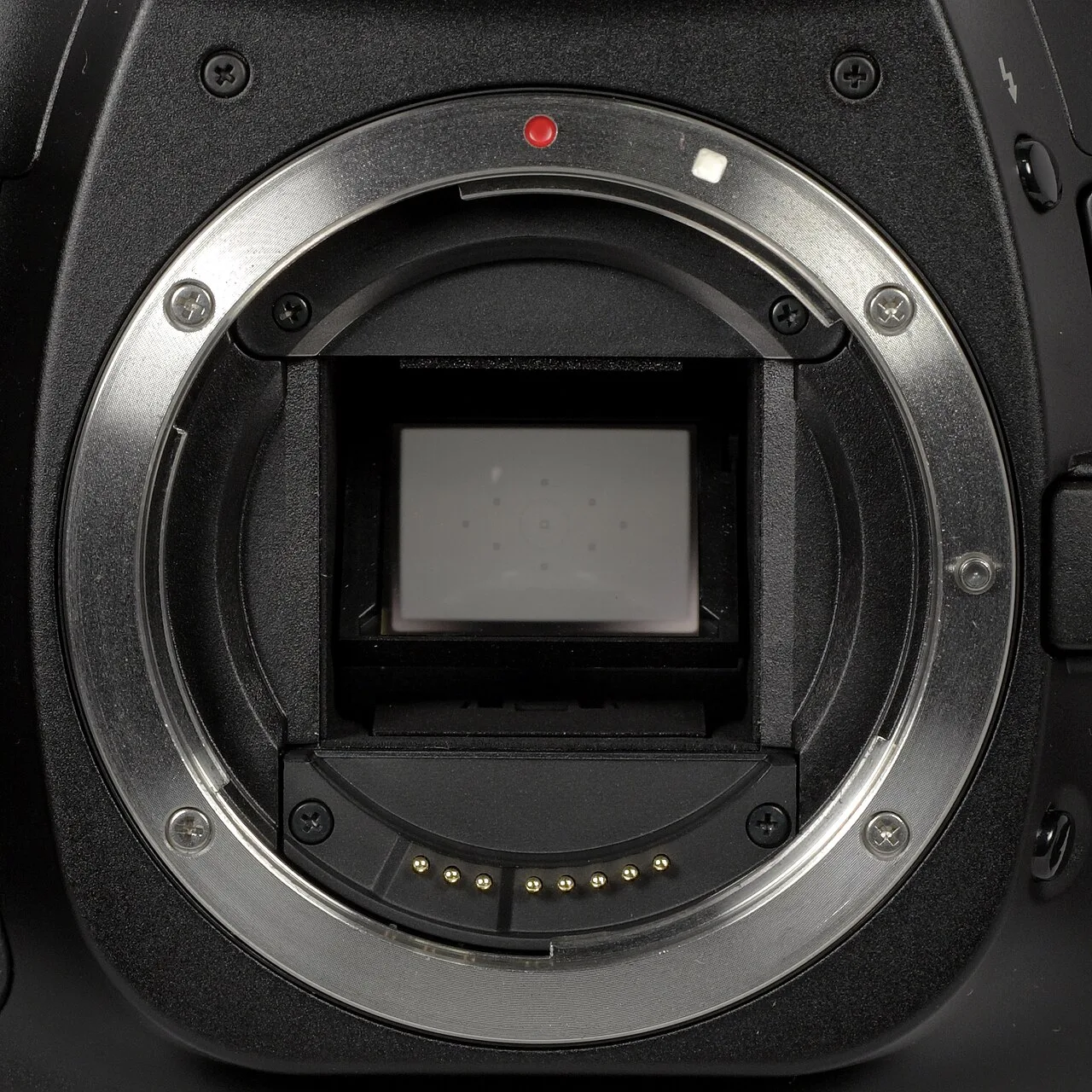
The project itself is a rebuild of an earlier attempt. The first version was glued on with cyanoacrylate, the fast-setting glue sold as superglue, and that joint eventually parted. The new mount is machined from solid brass, covers two of the phone's three cameras, and is fixed to the body with epoxy. The third camera stays unmodified. There are 3D printed covers to protect the lenses, and a tripod thread cut into the bottom of the mount. He demonstrates it with C-mount lenses (a screw mount from 16mm film cameras, still common on industrial and machine-vision lenses) and EF-mount lenses (Canon's SLR mount). The EF lens gives a very long effective focal length, which is what you would expect from putting a big telephoto in front of a small sensor.
Hackaday's note on the result is the practical one: "we'd give it an IR filter to remove the unwanted pink glow" (hackaday.com/2026/10/06/upgrading-an-iph…). A screw-on IR-cut filter in front of the lens puts the missing element back. That is the whole fix. The pink is not a white balance problem, and no software setting will remove it cleanly, because the infrared is already mixed into every pixel before the phone reads it.
What the build shows is how much of a phone camera's quality lives in parts you never see. The sensor is good. The lens is the compromise, and the filter is part of the lens. Anyone replacing one has to replace the other, or accept the colour. The original version is here (youtube.com/watch?v=-M1KAfXmL88), and the newer build is here (youtube.com/watch?v=Pi_v3-MrcxM).