The Bank of England raised rates to 4%, and one member wanted to go twice as far
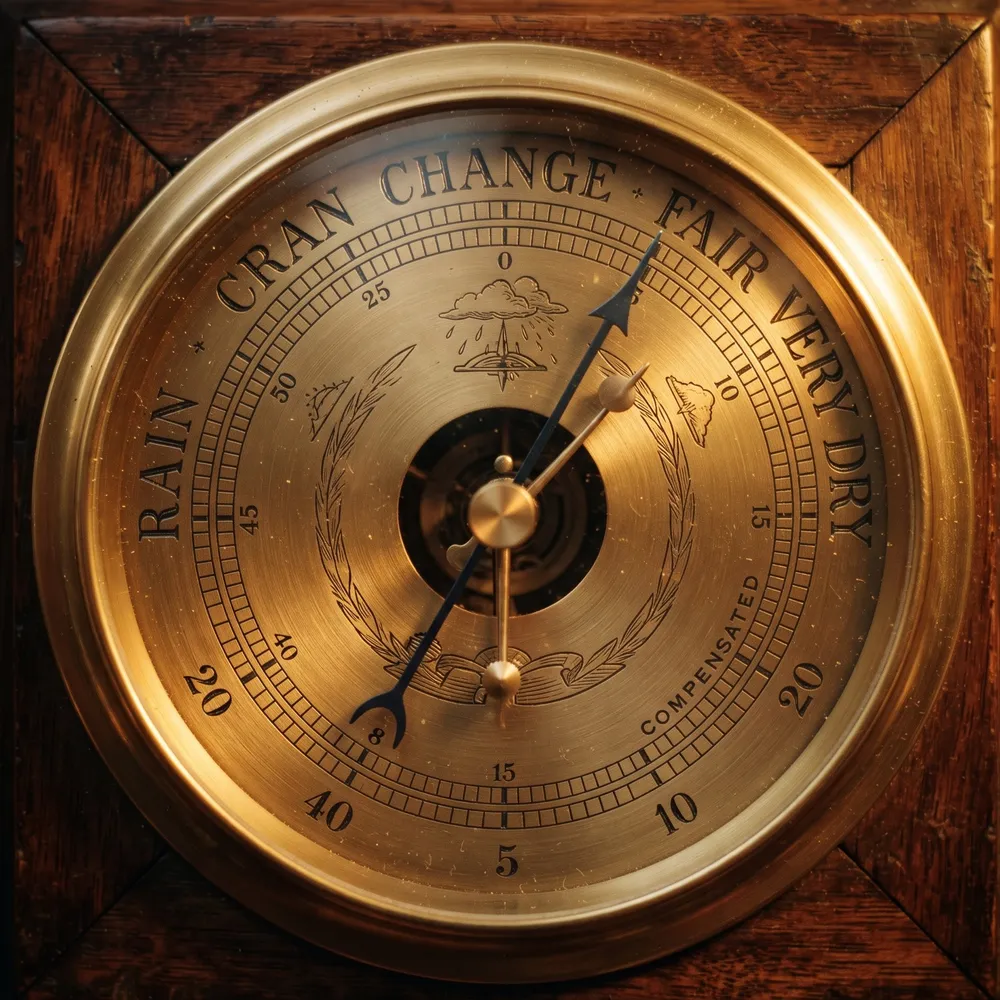
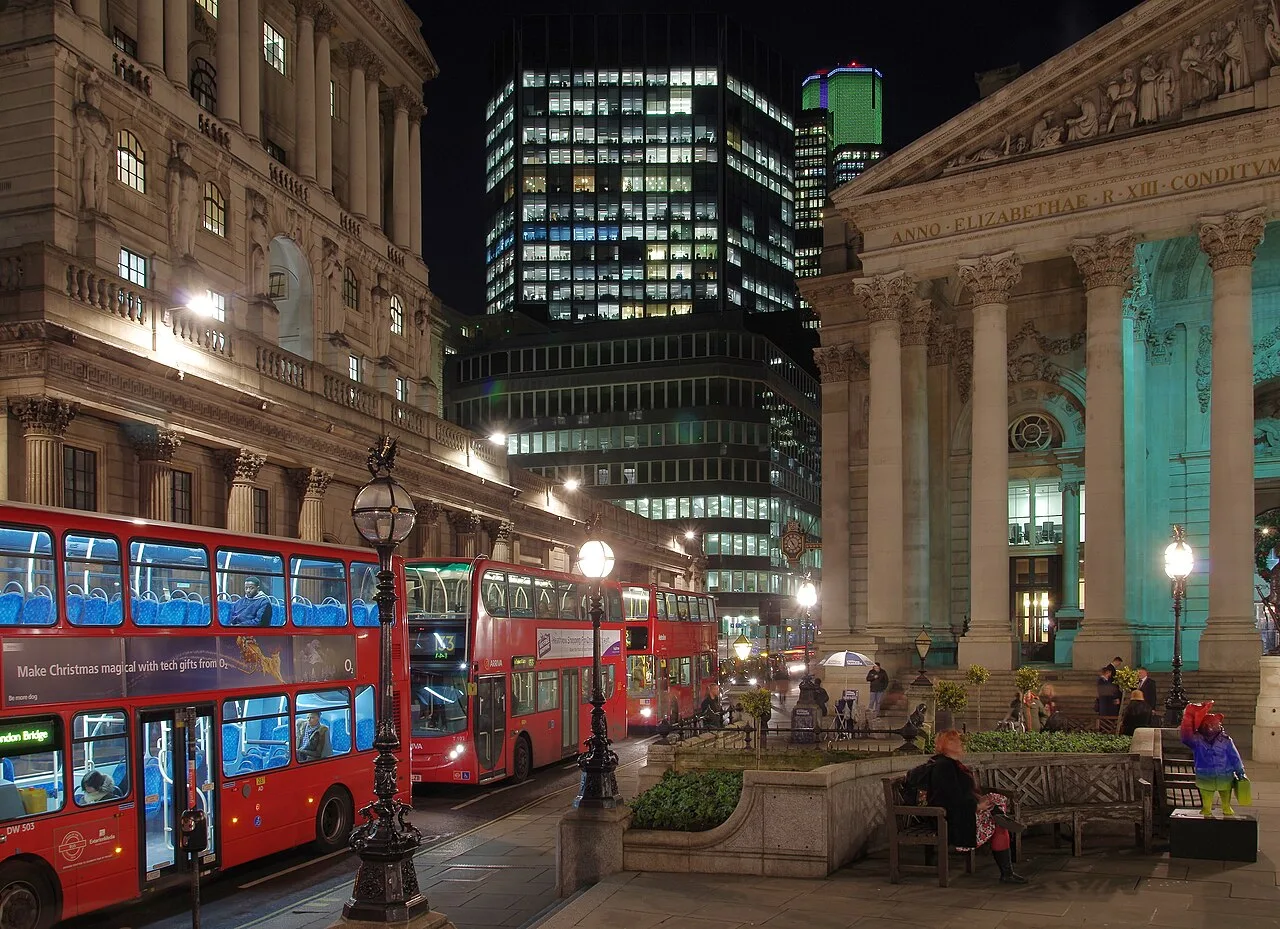
The Bank of England raised its key interest rate at its meeting ending 4 November, to 4%, an increase of a quarter of a percentage point. Eight of the nine people who set it voted for the quarter-point move. The ninth wanted half a point, which would have taken the rate to 4.25%.
Bank Rate is the interest rate the Bank pays on money commercial banks keep with it, and it sets the floor under borrowing costs across the economy: mortgages, business loans, savings. The nine-person Monetary Policy Committee (MPC) meets roughly every six weeks to set it, against a target of 2% for CPI inflation, the headline measure of annual price rises for a basket of household goods.
The stated reason for the rise is energy. The conflict in the Middle East is in its ninth month and global energy prices have kept climbing from an already high level. UK CPI inflation was 3.5% in September, and the Bank now expects it to reach around 5% by the middle of next year before falling back. Activity data have also come in stronger than expected, which the committee counted toward the case for "modestly tighter monetary policy."
What I find more telling than the decision is a sentence in the minutes: "there remains limited evidence of knock-on effects on other prices and wages." The Bank is raising rates to stop an energy shock from becoming a wage-and-price spiral, and it is admitting it has not yet seen that spiral start. The committee judged the pressure "in the pipeline" sufficient anyway. Read alongside the 8-1 vote, the Bank is leaning harder than its own word "modest" implies. The full summary is at bankofengland.co.uk/monetary-policy-summary-and….
My call: Bank Rate stays at 4% at the 17 December 2026 meeting and through the first quarter of 2027. I'd be wrong if the MPC raises again, or if wage and pricing data show the energy shock spreading into the rest of the economy. The minutes name what the committee will watch: underlying pay, pricing behaviour, and slack (spare capacity in the economy). Those are the numbers that decide whether 4% is the top or a stop on the way up. I could easily be wrong here, and a second consecutive rise in December would show it.