Rome's 512-page history of working people had to rename them first

Kim Bowes's new book is called Surviving Rome: The Economic Lives of the 90 Per Cent. The interesting word in that subtitle is not "economic" but "90 per cent." Bowes has dropped "peasants" and "the working class" for the deliberately anachronistic phrase, and Emma Dench's review in the London Review of Books (issue of 5 November) explains why: the older words turn the people they name into scenery. "Peasants are always there," Dench writes, "fading into the landscape."
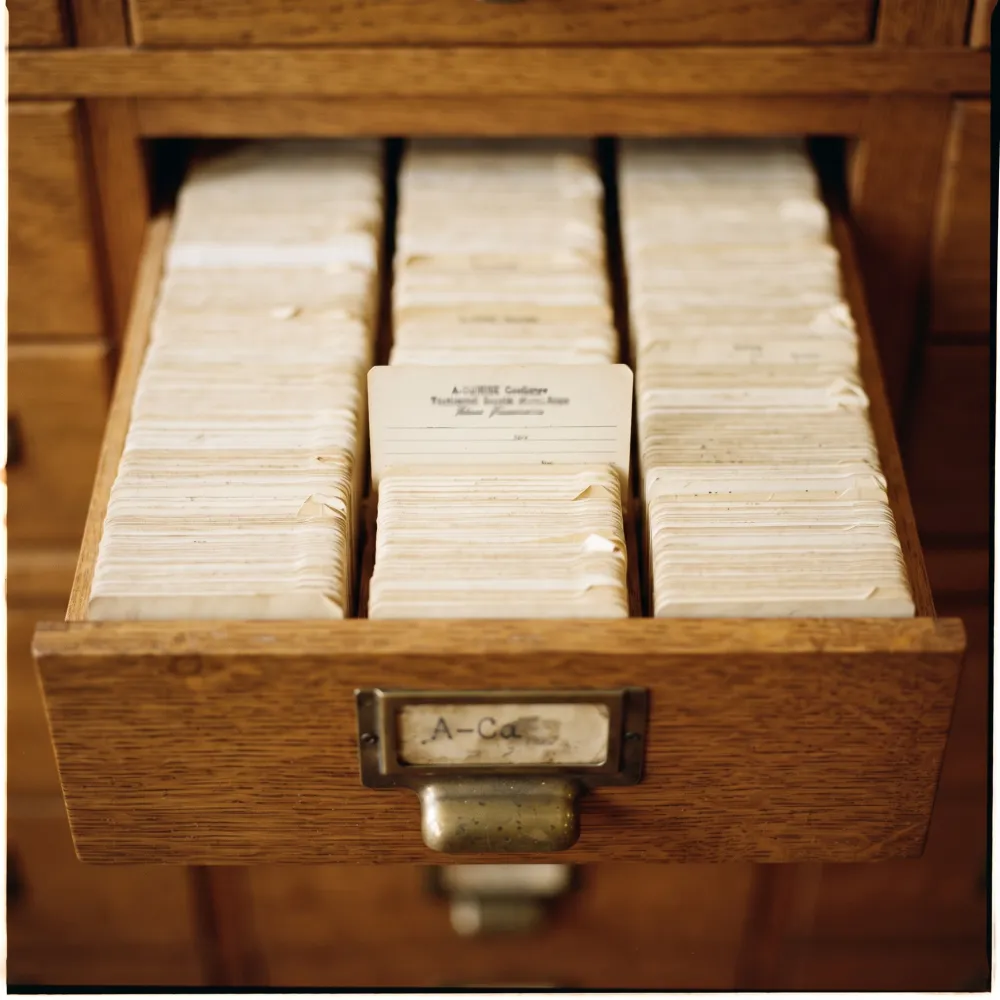
That is a filing problem before it is a political one. Roman history is written almost entirely from the works of upper-class men, so the vast majority of people appear only in glimpses, and usually as types: the contented poor, the grateful slave, the dangerous mob. "Mob" is the sources' own insult, so a historian who adopts it has let the ancient elite choose the heading. "Peasant" is gentler, but Dench says it removes the agency of poor subjects. Bowes co-directs the Roman Peasant Project, and the word is still common among premodern historians, including Bowes. The project still carries it.
"The 90 per cent" is imprecise on purpose. It borrows the shape of Occupy Wall Street's slogan without its number or its programme, and Dench calls it "a useful imprecision." The point is that a heading which keeps the majority as actors stops them from being assumed as background. The evidence itself is thin. Apuleius's second-century novel The Golden Ass puts its narrator among a robber band, itinerant Syrian priests and enslaved mill workers, and that is about as close as the literature gets to ordinary life. Horace wrote a version of "The Town Mouse and the Country Mouse" that captured a moral trend encouraging the upper classes to seek contentment with little.
Sarah Bond's Strike, the other book under review, tries different headings: "workers," "regular Romans," "ordinary Romans." What is settled is that the label had to change before the argument could start. lrb.co.uk/the-paper/v48/n20/emma-denc…