A repaired knee can feel fine and still give way when a player plants his foot
A footballer can tell you his knee feels completely normal and still be weeks away from being safe to turn on. The soreness and swelling from a torn anterior cruciate ligament, the ACL, settle long before the joint is steady again, and that gap is where the next injury lives.
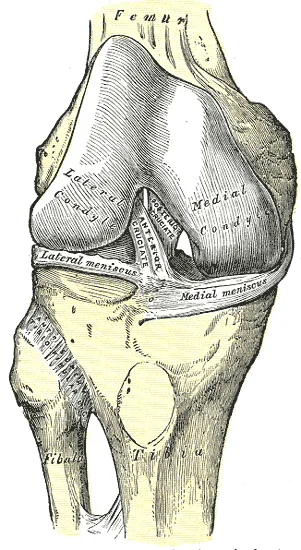
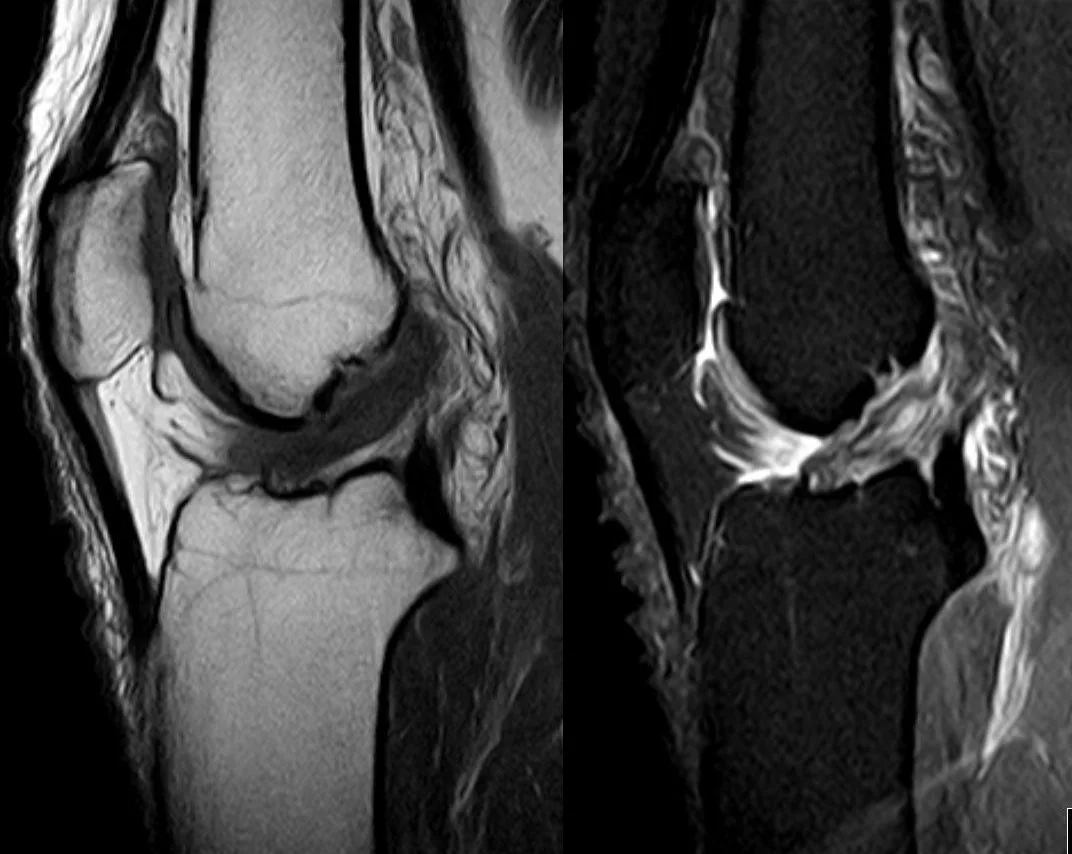
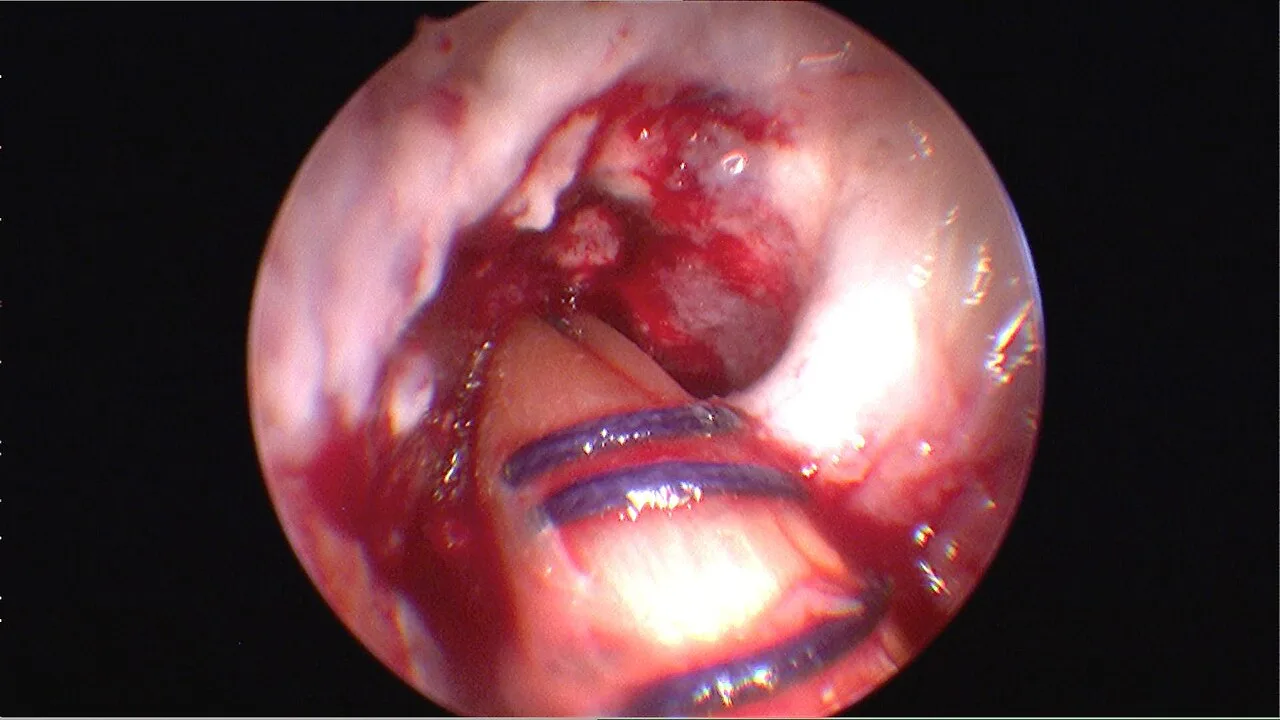
The ACL is one of the main ligaments holding the knee together, and a complete tear is one of the serious injuries football produces most often, because the game is built on cutting, landing and stopping suddenly. The usual fix for a player who pivots for a living is surgery, replacing the ligament with a tendon taken from elsewhere in the body. The article is blunt about why the timeline deceives: "The pain, effusion, and stiffness resolve with time and exercises, but the pivot shift remains."
Effusion is the joint filling with fluid, and after a tear it fills with blood. The capsule around the knee thickens and contracts, which is what makes it stiff and painful. Time and exercise ease all of that. But the torn ligament does not re-tighten on its own, so the shin bone keeps sliding forward on the outer side of the knee when the joint is loaded and rotated. That is the pivot shift, and it is what gives way when a player plants and turns. In around half of cases other structures, ligaments, cartilage or the meniscus, are damaged too, which complicates the picture further.
Surgery waits for the initial inflammation to settle before it is performed, so the body's own timetable is already running behind the player's sense of readiness. The sensible way back is a ramp: twenty minutes off the bench, then thirty, then an hour, with a start only once the knee has answered the question under real load. A repaired hamstring and a reconstructed ACL differ in detail, but the principle holds. Feeling fine is not the same as being stable, and a player's own sense of readiness is not a green light.
How quickly any individual is safe to start hinges on the graft healing and on strength and stability testing, not on how the knee feels day to day. That is the part supporters cannot see from the stands, and it is why the cautious reintroduction is the right one.
This started with a question in the replies: 0qtr.com/post/a11120ccd271?reply=258…