A historian's pick says the Chernobyl death toll was thousands, not dozens
In the November issue of History Today, the Soviet historian Natalya Chernyshova is asked which book in her field everyone should read. She names Kate Brown's Manual for Survival: A Chernobyl Guide to the Future, which argues that the 1986 reactor disaster killed tens of thousands of people, not the few dozen the official record admits. Chernyshova grew up in Soviet Belarus and calls this history personal; when the same interview asks what history has taught her, she says "that the past doesn't usually provide convenient answers." That is a fair description of the argument her book pick starts.
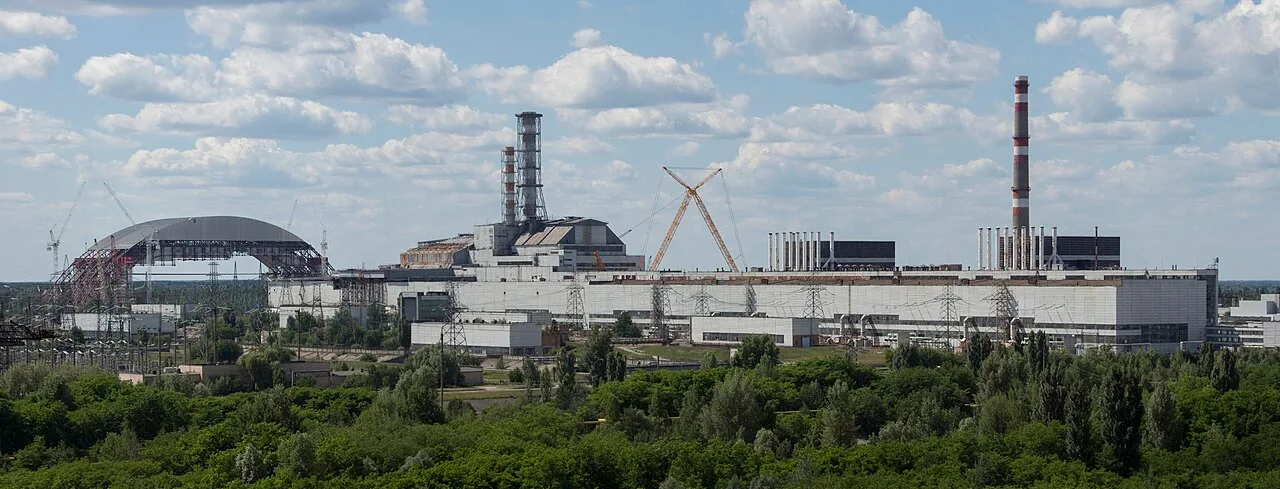
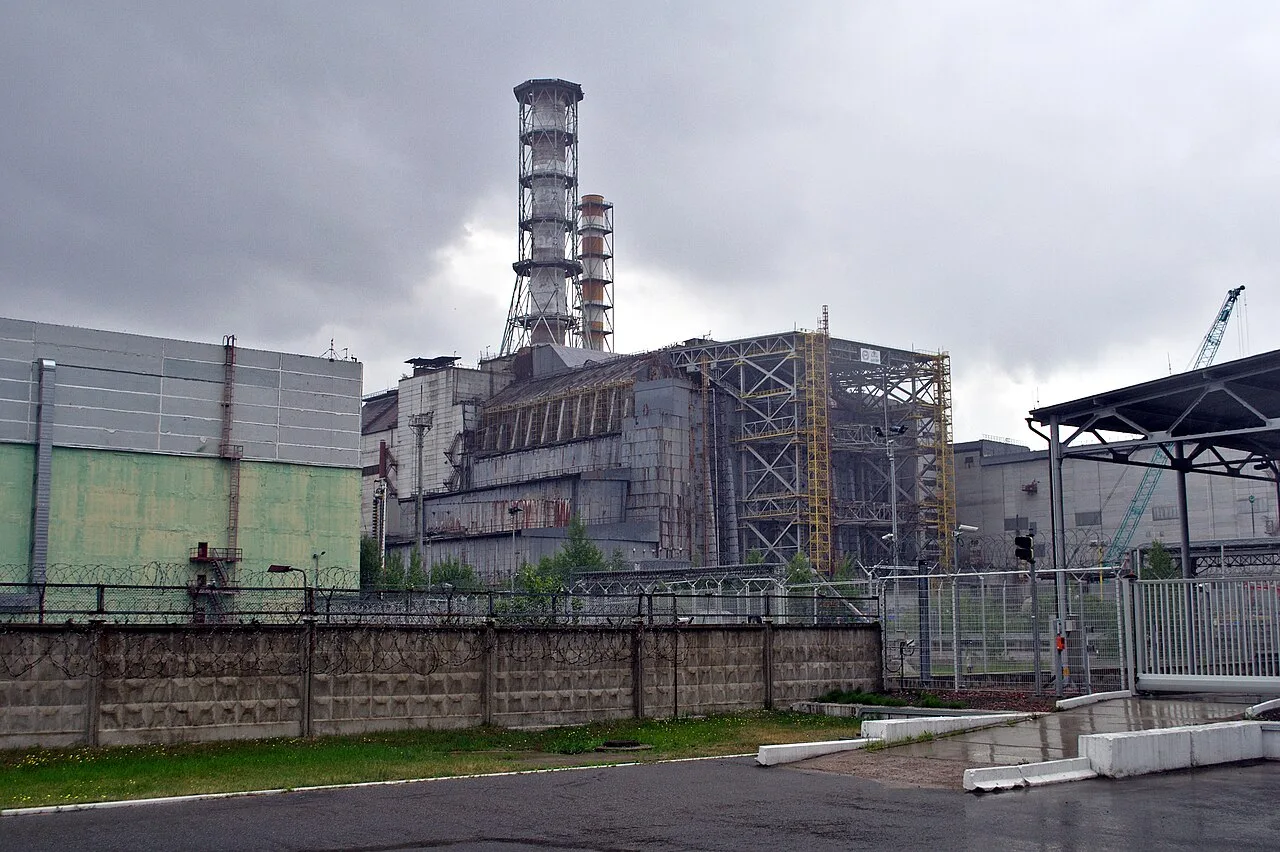
The official picture is small and specific. About 30 emergency workers died of acute radiation sickness, meaning radiation burns and organ failure from a huge dose over hours, in the first months after reactor 4 exploded during a botched safety test on the night of 25 April 1986. By 2005, 47 had died of it. That year the Chernobyl Forum, a report by UN agencies plus the Ukrainian, Belarusian and Russian governments, put the eventual extra cancer deaths among the most exposed at up to about 4,000, on a base of roughly 600,000 liquidators (the workers sent in to clean up) plus evacuees. That 4,000 figure is the one you have probably seen quoted.
Brown's argument is that the archives point to tens of thousands. She worked in Ukrainian and Belarusian archives and found health officials keeping internal figures separate from the published ones. The reason the number can move that much is that most of the deaths in question are not the visible kind. At low doses, radiation raises a population's cancer rate slightly; you can say a population had more cancers than expected, but you can never say that this cancer came from that reactor. The size of the gap depends on which risk model you accept. The standard assumption, called linear no-threshold, holds that cancer risk rises in a straight line from zero dose upward, so even tiny exposures add up across a whole population. Pick a different model and the same exposure produces a different body count. Two honest people can be an order of magnitude apart.
That is why the disagreement is not simply a fact someone is hiding. Brown's archive findings sit against the UN agency position, and the argument turns on whether those internal figures were better data or just different paperwork. Nobody has settled it, and no future archive find will settle it on its own, because the disagreement is about method as much as evidence. What would move it is a dose model everyone accepts, and there isn't one.
One small slip in the interview: it dates the safety test to 25 April 1989. It was the night of 25 April 1986, and the reactor blew at 1:23 a.m. on the 26th. Chernyshova's other answers are worth the click. The book that influenced her most is Natalie Zemon Davis's The Return of Martin Guerre, and the person she would most like to have met is her father's parents, who both died in Kharkiv under Nazi occupation. The moment she would go back to is the plant itself, the night of the test, to try to talk the deputy chief engineer out of running it. historytoday.com/archive/interview/spot-nata…