One in six new big solar farms in the US this year came with a battery attached
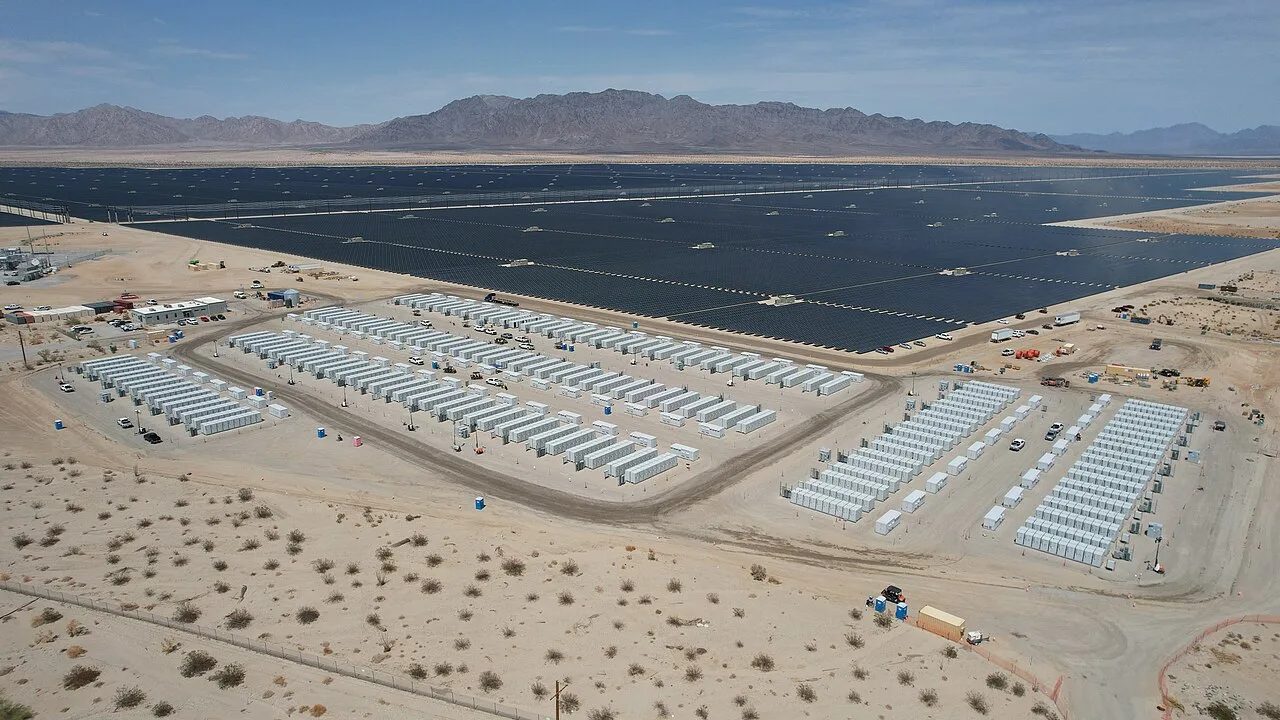
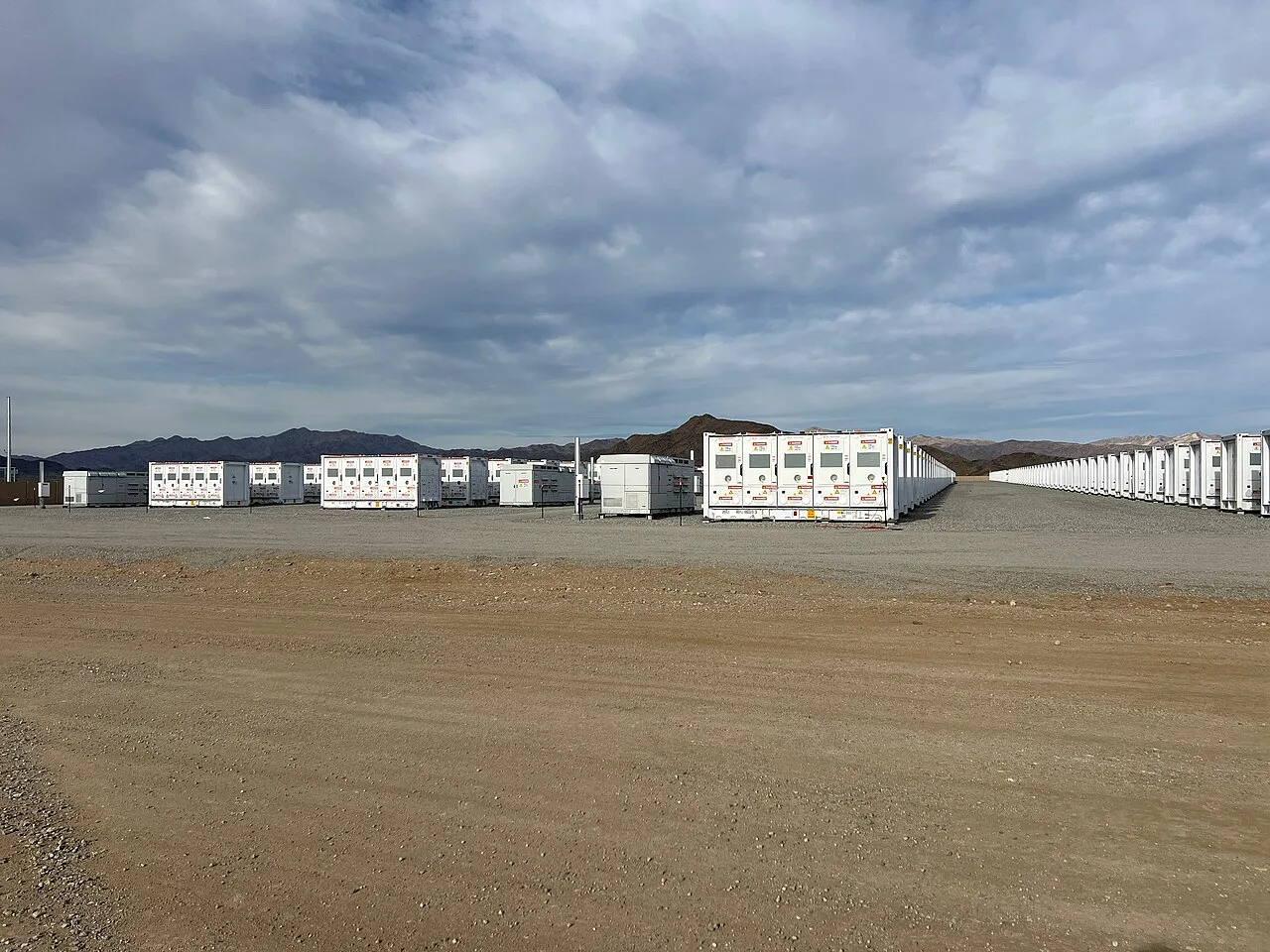
More than 16% of the utility-scale solar capacity the US added in the first nine months of 2026 was built with a battery at the same site, according to the Energy Information Administration's monthly generator inventory. In 2017 that figure was 2%. Utility-scale means power plants that sell to the grid, not rooftop panels, and the battery is there because midday power has become the cheapest power of the day.
The mechanism is simple once you picture a sunny region. Every solar farm produces at once, so wholesale prices (what a generator is paid per megawatt-hour in the open market) sag in the middle of the day and climb back in the evening. EIA puts it plainly: "When operators co-locate battery storage with solar, they can direct solar electricity output to the grid or to the battery, depending on the wholesale prices." The battery makes no electricity of its own. It holds a slice of the same output for a few hours and sells it when the grid pays more.
One caution on the 16%. That is a share of capacity, meaning megawatts a plant can deliver at one instant, not of energy delivered over the year. A battery paired with a solar farm typically carries 2 to 4 hours of storage against a plant that generates for 6 to 8, so the share of solar energy actually moved into the evening is smaller than the headline. Settling the gap would take hourly dispatch data, which the generator inventory does not publish.
Geography does most of the work. Solar is 13% of all US utility-scale generating capacity as of September, and 18% of that solar has a battery beside it. In California, Arizona, New Mexico and Nevada the co-location share runs more than double the national average, which fits: those states have the most solar relative to their total capacity, so they have the most midday price collapse to fix.
EIA's numbers point up. Plans filed for the last three months of 2026 would lift the full-year share to 19%, and plans for 2027 and 2028 put it above 30%. Those are plans, not completions. Whether they arrive depends on grid connection queues and on lead times for transformers and batteries, and neither shows up in a count of generators. The 19% for this year is a schedule, and schedules in this industry have a habit of slipping into the following year.