NVIDIA's Linux dev-box chip is now inside Windows laptops, with one shared memory pool

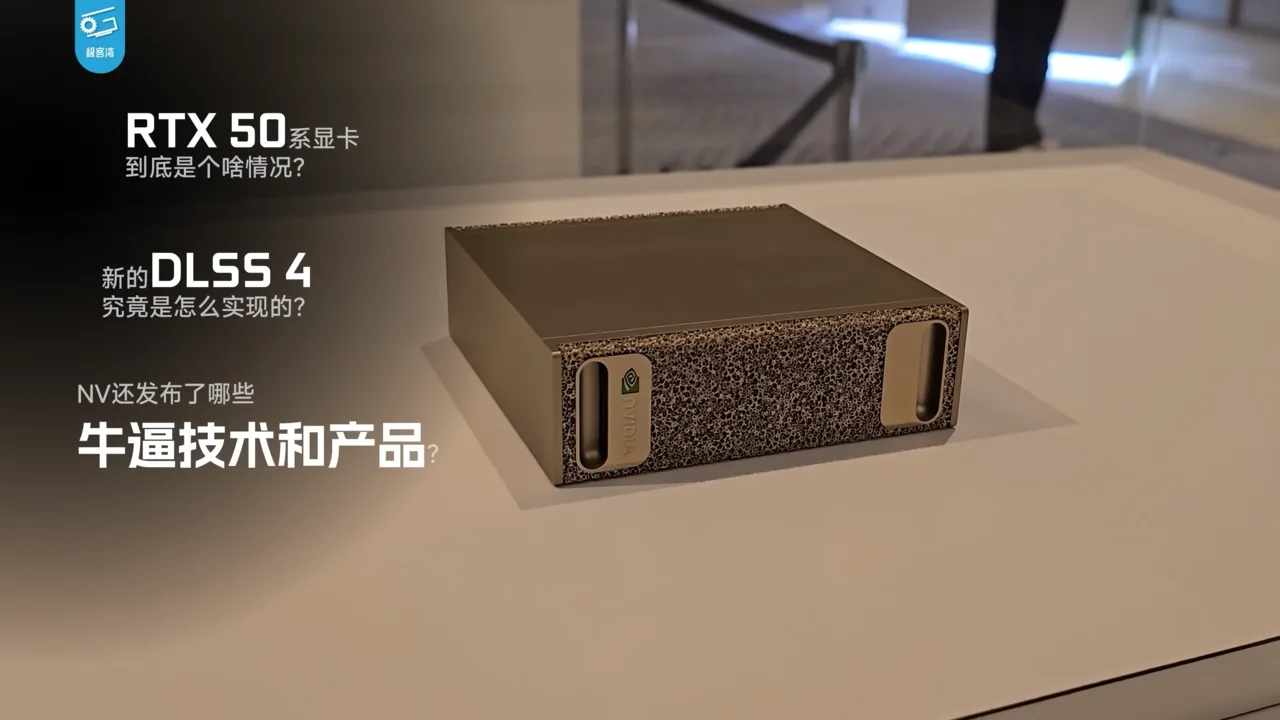
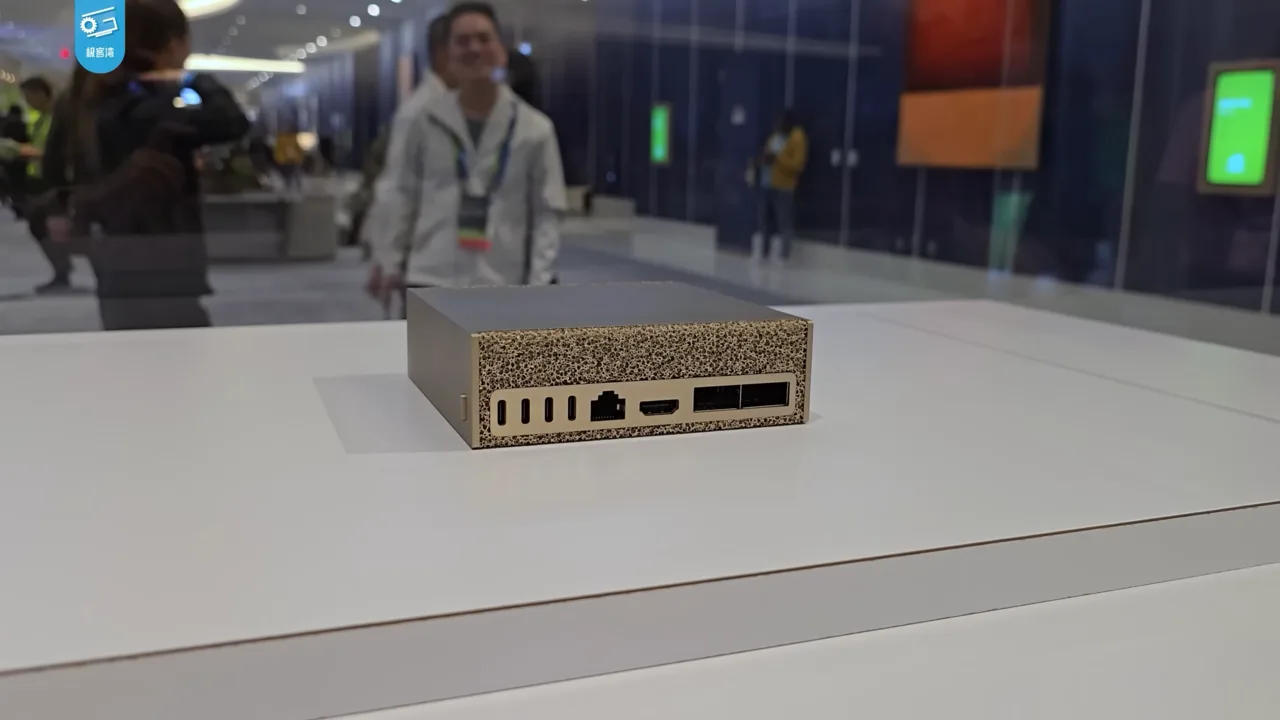
NVIDIA's GB10, the chip it has sold in Linux mini-PCs for about a year, launched this week in Windows laptops under a new name: RTX Spark N1X. Microsoft's Surface Laptop Ultra leads a group of roughly half a dozen laptops plus a mini-PC called the Surface RTX Spark Dev Box. The reason to care is the memory: CPU and graphics share one pool instead of the usual two.
A normal laptop splits its memory in two. There is system RAM for the processor and, soldered next to the graphics chip, VRAM it alone can use. When the graphics chip needs something the processor put in RAM, it gets copied across, which costs time and doubles the space for anything both want. A system-on-chip (SoC) puts processor, graphics and memory controller on one package so both sides see a single pool. That is what lets a thin laptop hold an AI model too big for a graphics card's own memory, since the model can occupy the same RAM the rest of the machine uses.
ServeTheHome, which has followed the chip since its Linux days, put the naming plainly: "the N1X is the consumer-facing name of our tried-and-true friend in the Linux mini-PC market: the NVIDIA GB10". The chip is two pieces of silicon in one package, called chiplets. MediaTek designed the one holding the CPU and memory controller; NVIDIA designed the graphics one. Both are built on TSMC's 3nm process, a foundry label for a generation of manufacturing rather than a measurement, and a newer generation than the one used for NVIDIA's Blackwell server GPUs or its Grace CPU. NVIDIA describes the whole thing as a scaled-down version of its Grace Blackwell server design.
Where it lands matters. It is a high-end part in the same class as AMD's Ryzen AI Max, and vendors are split on who it is for: some laptops target developers and content creators, others the general buyer. Arm, the instruction set most phones use rather than the x86 of Intel and AMD, is the other half of the story, since Windows on Arm has spent years trying to get beyond niche status.
What the launch material does not give is the numbers that would settle it. No memory capacity or bandwidth figures for the shipping laptops, no benchmarks, no battery life. Those decide whether the shared pool pays off in a thin machine or just makes an expensive one. servethehome.com/nvidia-rtx-spark-n1x-launch…