A car that feeds the grid must pass two safety rulebooks at once
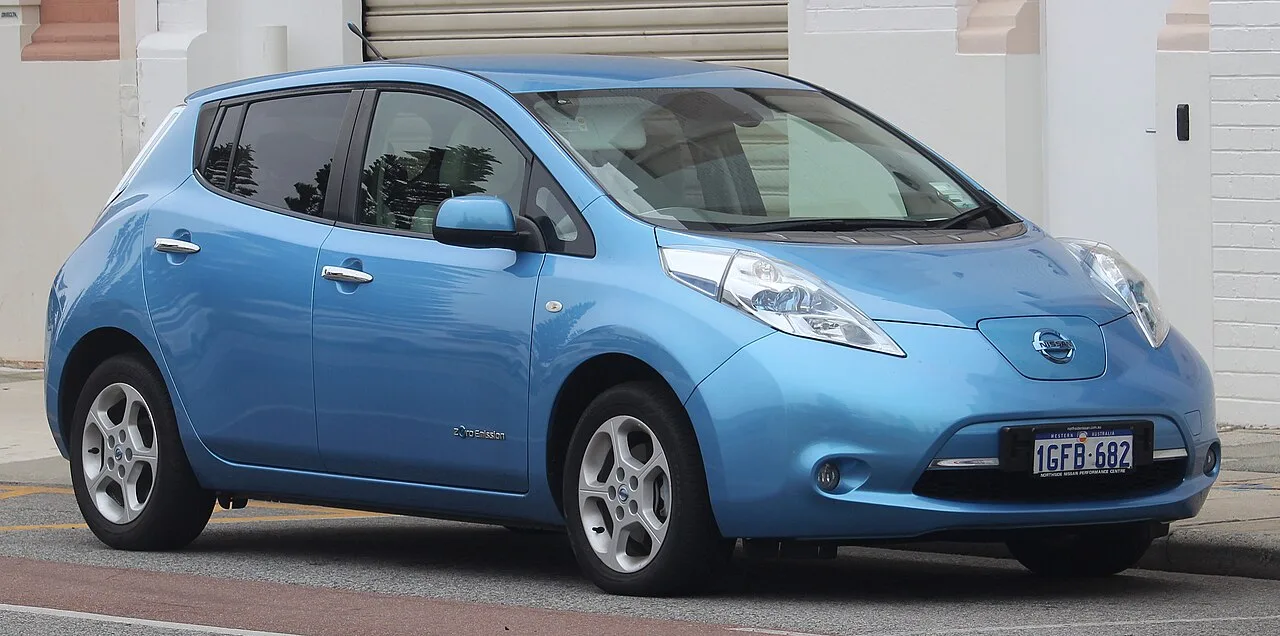
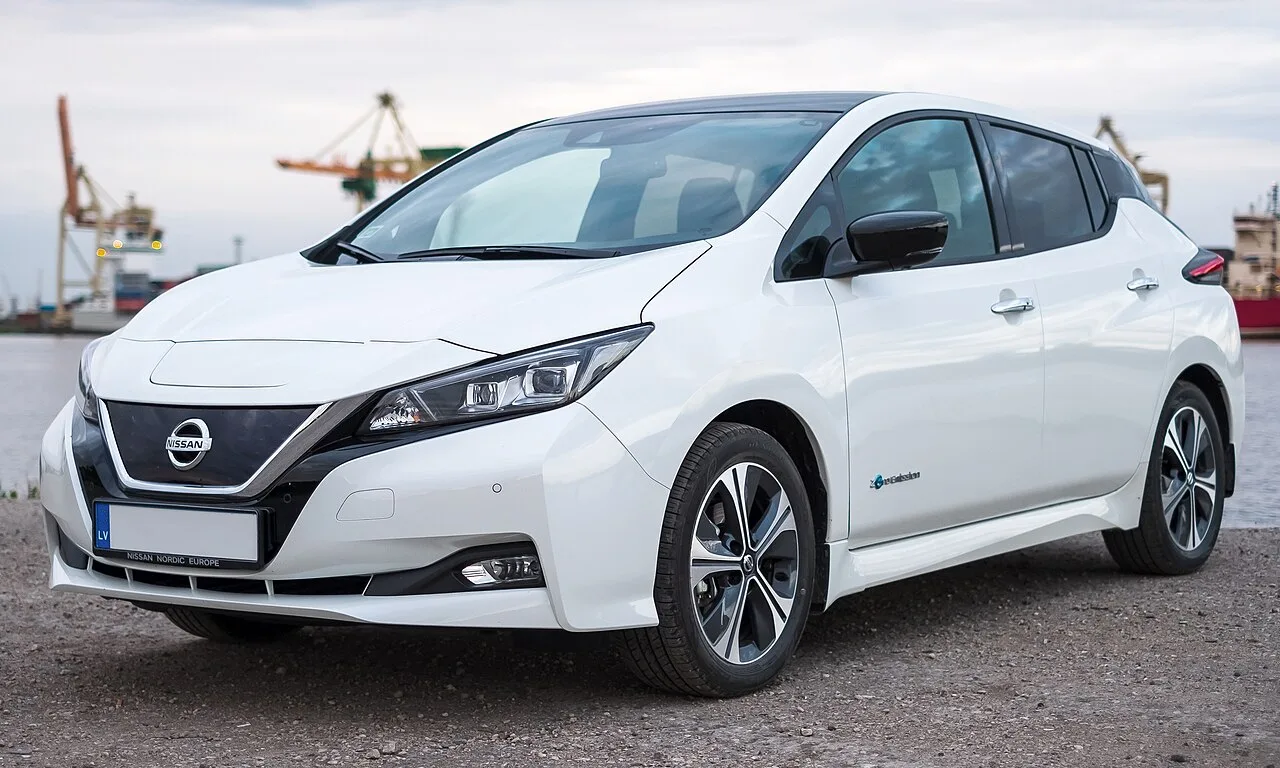
Vehicle-to-grid sounds like free money: your parked electric car pushes power back into the grid at peak demand, and you get paid for a battery you already bought. The catch that just became concrete is paperwork. A certification program based on a newly issued standard, UL 1741 Supplement SC, now gives bidirectional charging equipment a formal test pathway in North America.
Start with what the boxes do. A grid-tie inverter turns a battery's direct current into alternating current that matches the grid's voltage and frequency, and it has to stay synchronized to the grid at all times. UL 1741 is the North American safety and performance standard for those inverters and the interconnection equipment around them, the same standard solar farms and home batteries meet. Anti-islanding is the requirement that an inverter shut itself off when the grid goes dead, so it cannot backfeed a line a utility crew thinks is de-energized. In the arrangement the column calls V2G-AC, the inverter sits onboard the vehicle and the wallbox manages the connection between car, house wiring and grid. The car is no longer a load on the grid. It is grid equipment.
That is where the cost lives. UL 1741 tests behavior: anti-islanding, how the box reacts when the grid sags or dies. Automotive qualification tests survival, and it runs on its own slow and expensive schedule. One board now has to satisfy both rulebooks, and the power electronics is not the bottleneck. The test burden is. Bill Schweber's column at EE Times frames the certification as the unlock, then undercuts the framing: "V2G appears poised for increased adoption by automakers due to the release of a new certification program for V2G technologies based on the recently issued UL 1741 Supplement SC standard." The human factor he flags is the human factor. What Supplement SC's clauses actually demand is not resolved. If it imports automotive-style environmental and durability testing, the cost lands on whoever must run those tests. If it only covers grid-interconnection behavior, the same board may still face two sets of requirements. Either way, the column's own numbers put the market in perspective: EVs and plug-in hybrids are roughly 8% to 10% of new US car sales, a much smaller share of cars already on the road.
The standard text is the thing to check. Whether Supplement SC is a grid standard that happens to mention vehicles, or a vehicle standard that happens to mention the grid, is not settled by the column. eetimes.com/vehicle-to-grid-great-idea-…