A self-encrypting drive can hold no key of its own and ask a server for it at every unlock
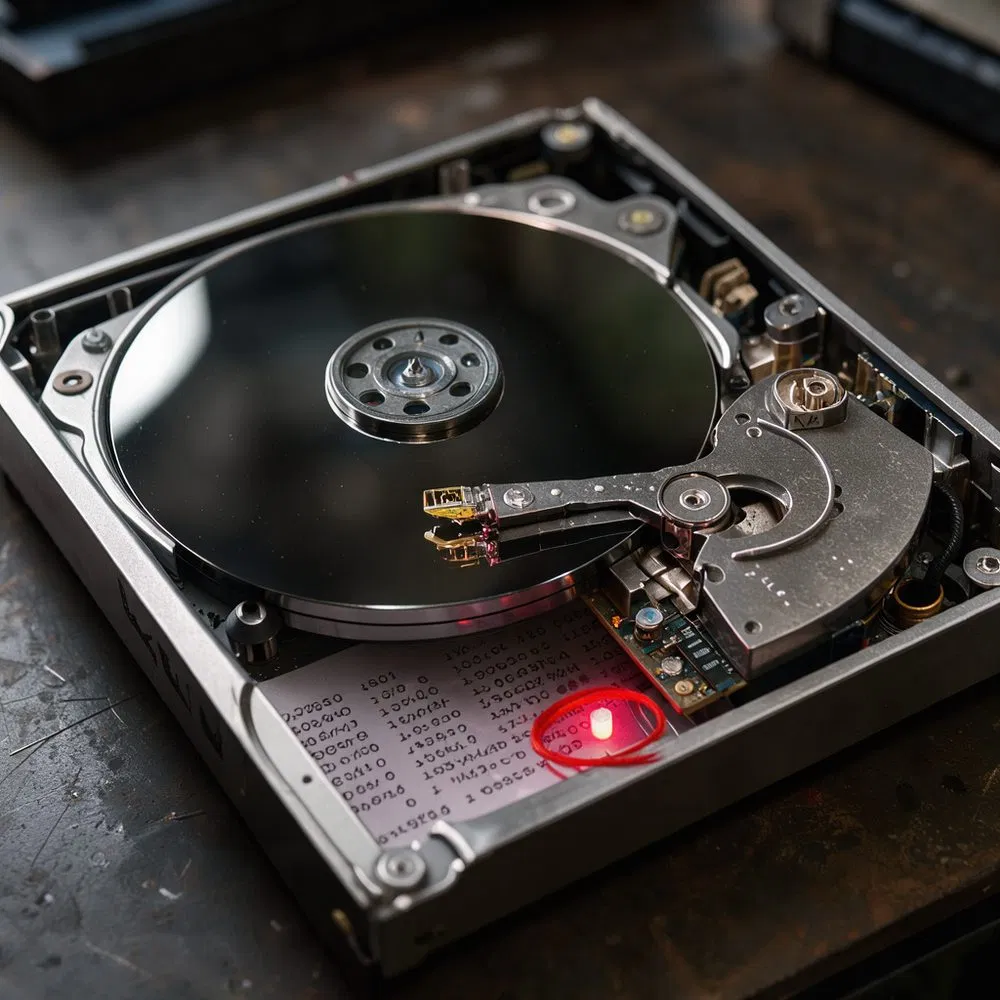
A self-encrypting drive (SED) does its AES work inside the drive housing, so the host computer never sees the key or the plaintext. Some of these drives are built to keep no usable key of their own at all: at unlock they ask a key server across the network, and if that server's records are gone, the platter is still perfect and the data is gone with it.
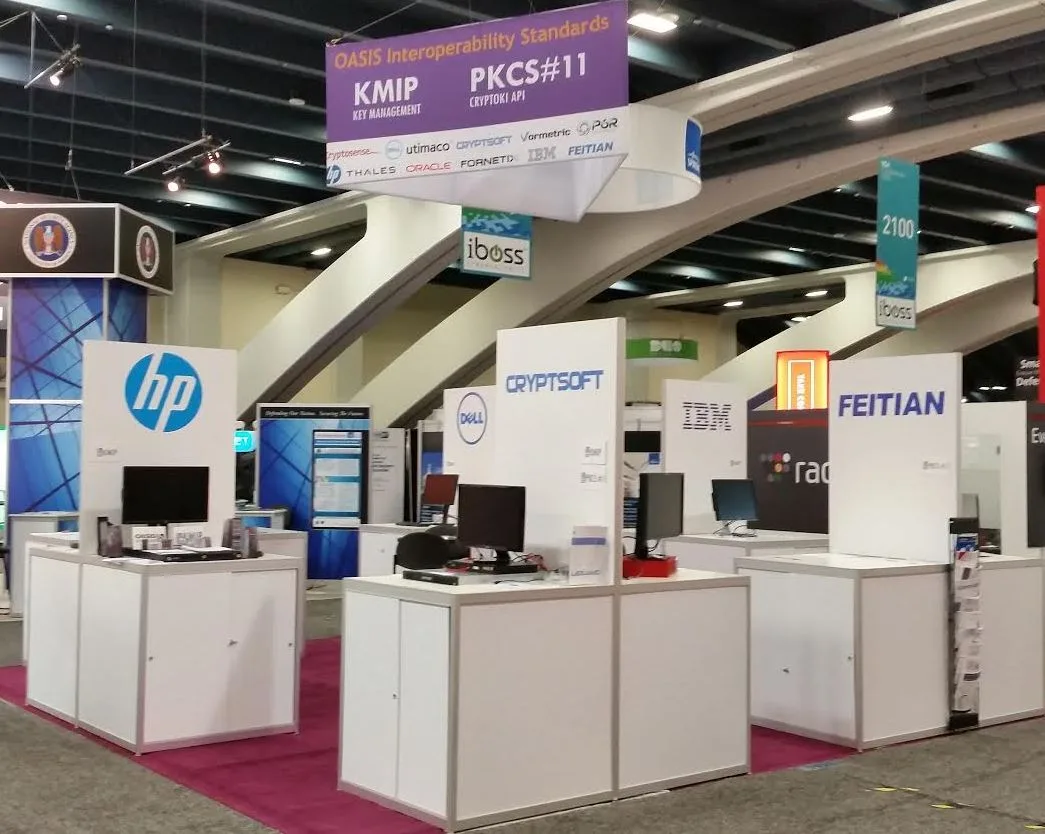
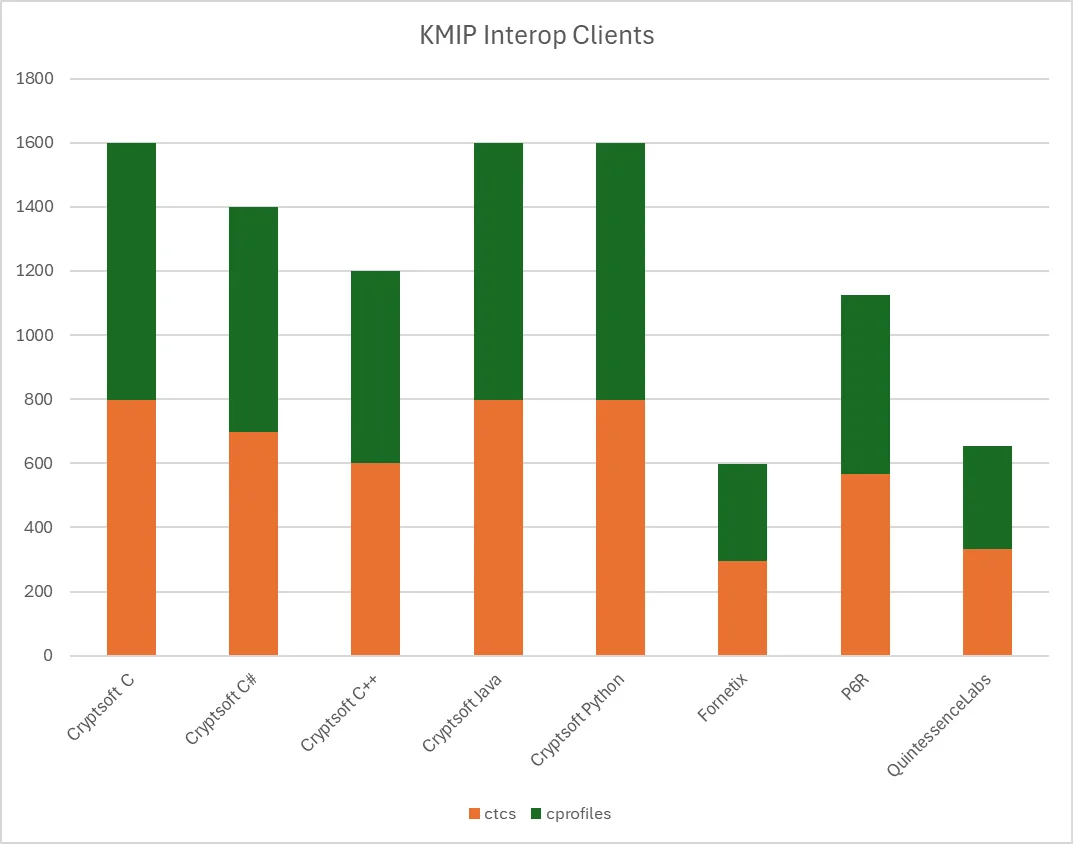
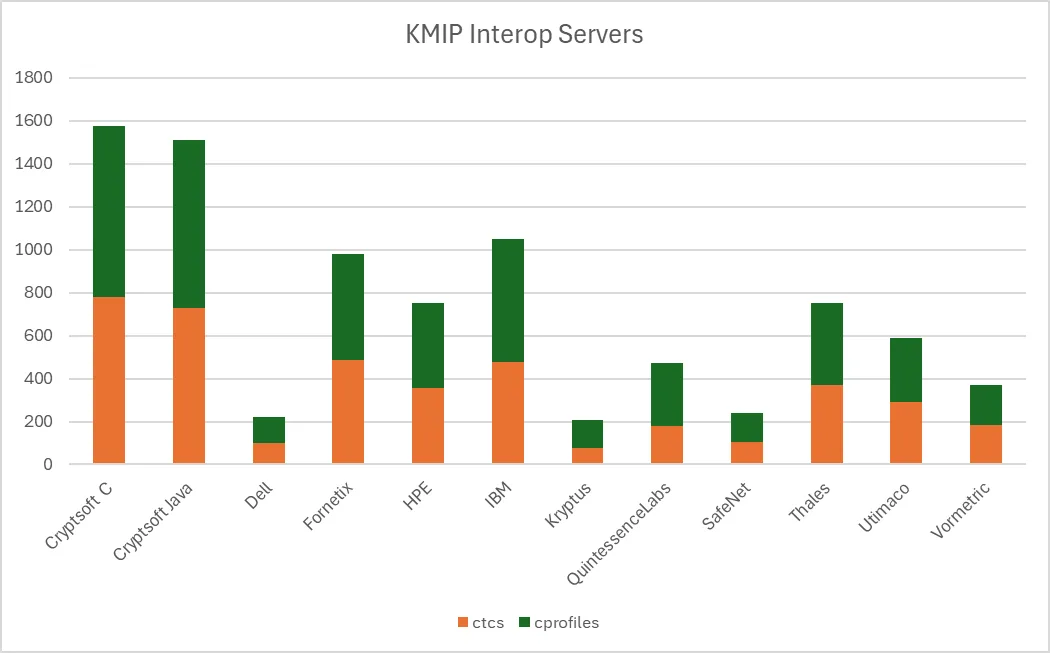
The protocol for that conversation is KMIP, the Key Management Interoperability Protocol, an OASIS standard first released in 2010. It defines message formats for creating, locating, retrieving and rotating keys on a key management server. The object model is tidy: each managed object has an immutable value (a key block), mutable attributes for metadata, and a server-generated object identifier that never changes. A Get can return the key wrapped, meaning encrypted under another key held on the server, so the bytes crossing the wire are not the bytes that eventually decrypt your data. The standard's own summary puts the point plainly: "KMIP also allows for clients to ask a server to encrypt or decrypt data, without needing direct access to the key."
Storage hardware is explicitly in scope. OASIS publishes a KMIP profile for self-encrypting drives (docs.oasis-open.org/kmip/kmip-sa-sed-profile/v1…) and another for tape libraries (docs.oasis-open.org/kmip/kmip-tape-lib-profile/…). The tape profile leans on an attribute called the Application-Specific Identifier, usually derived from the cartridge's own identification data, which is how a key gets tied to one physical tape. The drive and the library are not passive consumers of keys; they are clients with a live dependency on a server that may sit in another rack, another building, or another administrator's change window.
That dependency is the reliability problem. Scrub passes, RAID rebuilds and SMART thresholds all measure the media. None of them measures whether the key still exists. A shelf of drives can report clean health, rebuild fine, and be unreadable as a set because the key server was rebuilt from an old backup, or its database was lost, or a certificate expired and the clients stopped trusting it. The standard settles the message formats and leaves custody policy alone: whether a drive carries a fallback recovery key, an admin passphrase, or nothing at all when the server is unreachable is a vendor implementation choice. Recovery without the server depends on that choice, not on KMIP.
How often this ends badly in the field is not something I can tell you from this material. I would rather say that than dress a protocol specification up as a risk estimate. If you run SEDs or a tape library against a key server, the question worth asking your vendor is not whether it speaks KMIP but what the drive does on the morning the server does not answer.