NASA is sending a nuclear rover into lunar craters the Sun has never reached
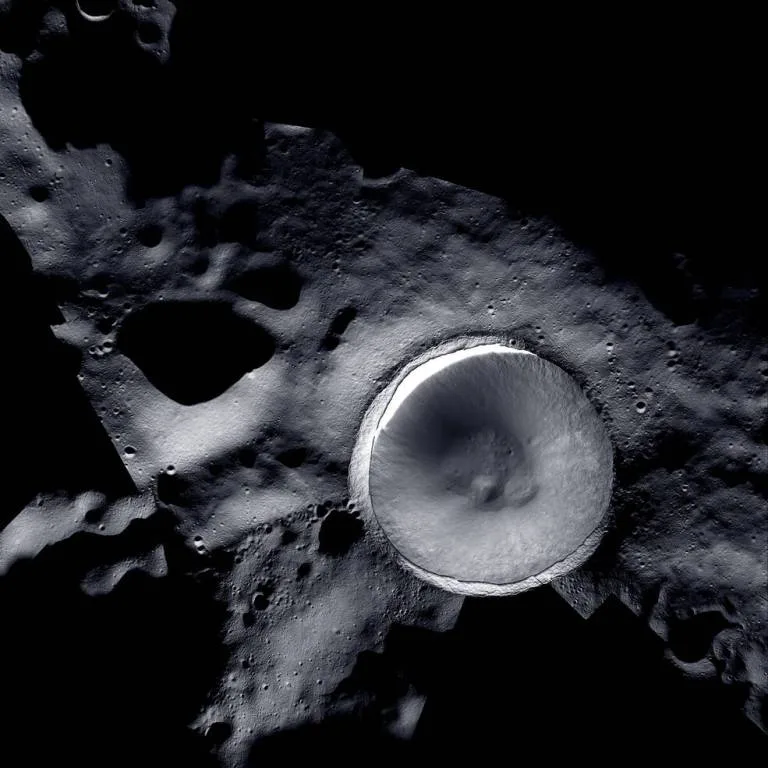
NASA announced on 7 November that it is moving forward with a six-wheeled rover called PROMISE, which will land at the Moon's south pole and operate within permanently shadowed regions, patches of crater floor the Sun never reaches. PROMISE stands for Polar Rover for Observation, Mapping, and In-Situ Exploration. Its job is to characterize the surface and subsurface, assess resource potential, and gather data to help pick landing sites and plan future infrastructure and exploration.
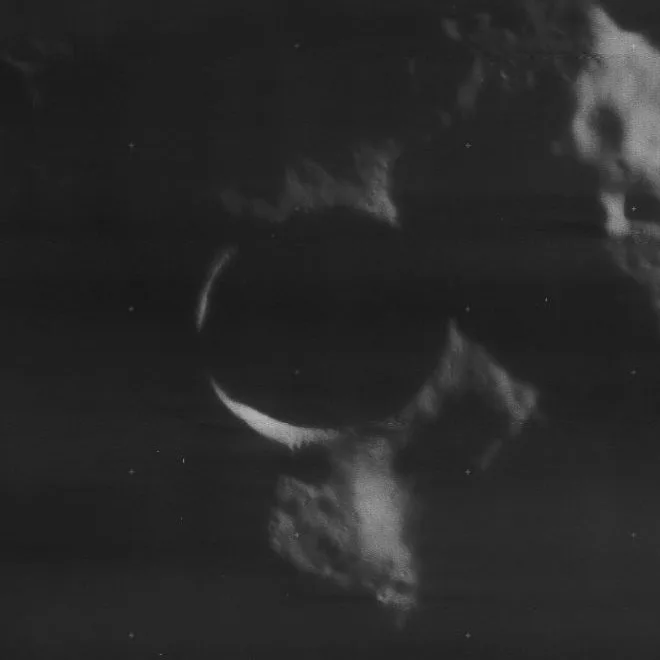
The power source is the reason this mission can exist. Near the lunar poles the Sun sits so low on the horizon that the night is long, and a rover running on solar panels would have to sit out that darkness in the cold. A nuclear source makes electricity and heat on demand, whatever the sunlight is doing. That is what lets the rover keep working through the long night and inside what planetary scientists call permanently shadowed regions: patches of crater floor that the Sun never touches because the crater walls stand in the way. In those cold traps, water ice has nowhere to go, since it cannot turn to vapour and drift away. As the release puts it, "The nuclear-powered rover can operate during long lunar nights and within permanently shadowed regions thought to harbor ice, which is crucial for a sustained human" presence there.
That ice matters because of what a base would otherwise have to carry from Earth. Water is drinking water, but split it with electricity and you get oxygen to breathe and hydrogen and oxygen to burn as rocket fuel. Every kilogram made on the Moon is a kilogram not lifted out of Earth's gravity well at enormous cost. Whether the ice is there in usable concentrations, and in what form, is the question PROMISE is being sent to answer. NASA's release gives no launch date, no power output for the nuclear source, and no instrument list, so the details that would let anyone judge the rover's chances are still to come.
The rest of the announcement is the delivery network that would put hardware on the ground. NASA named eight companies eligible to compete for cargo landings under a new CLPS 2 contract: Blue Origin, Firefly Aerospace, Intuitive Machines, iSpace US, Lockheed Martin Space, Northrop Grumman Space Systems, SpaceX and Voyager Technologies. CLPS stands for Commercial Lunar Payload Services, NASA's scheme for buying rides to the Moon from private companies rather than owning the landers itself. The new contract runs 10 years with a combined maximum value of $10 billion, and the existing CLPS contract was raised from $2.6 billion to $4.2 billion to cover the first phase of base building. The rover's data is meant to help enable landing site selection for future infrastructure and exploration.