Celtic let players run down their deals, and every year it costs them millions

A good Celtic player reaching the last year of his contract and then leaving for nothing is not bad luck. It is a policy, and the policy is to wait.
Here is the mechanism, plainly. A footballer's transfer value is really the price of the years left on his deal. With two years to run, a buying club has to pay a fee, because otherwise they never get him. With one year to run, that fee collapses to a fraction of what it was, because everyone knows the player can walk free in a few months. With no years to run, it is nothing at all. So the whole game is decided by when the club sits down to talk.
Celtic's habit is to sit down late. The renewal conversation means a wage rise, an awkward negotiation and an agent in the room, and none of that is pleasant, so it gets put off until the calendar forces it. By then the player and his agent hold every card. The club can pay whatever is asked or watch him leave, and the board calls the outcome prudence.
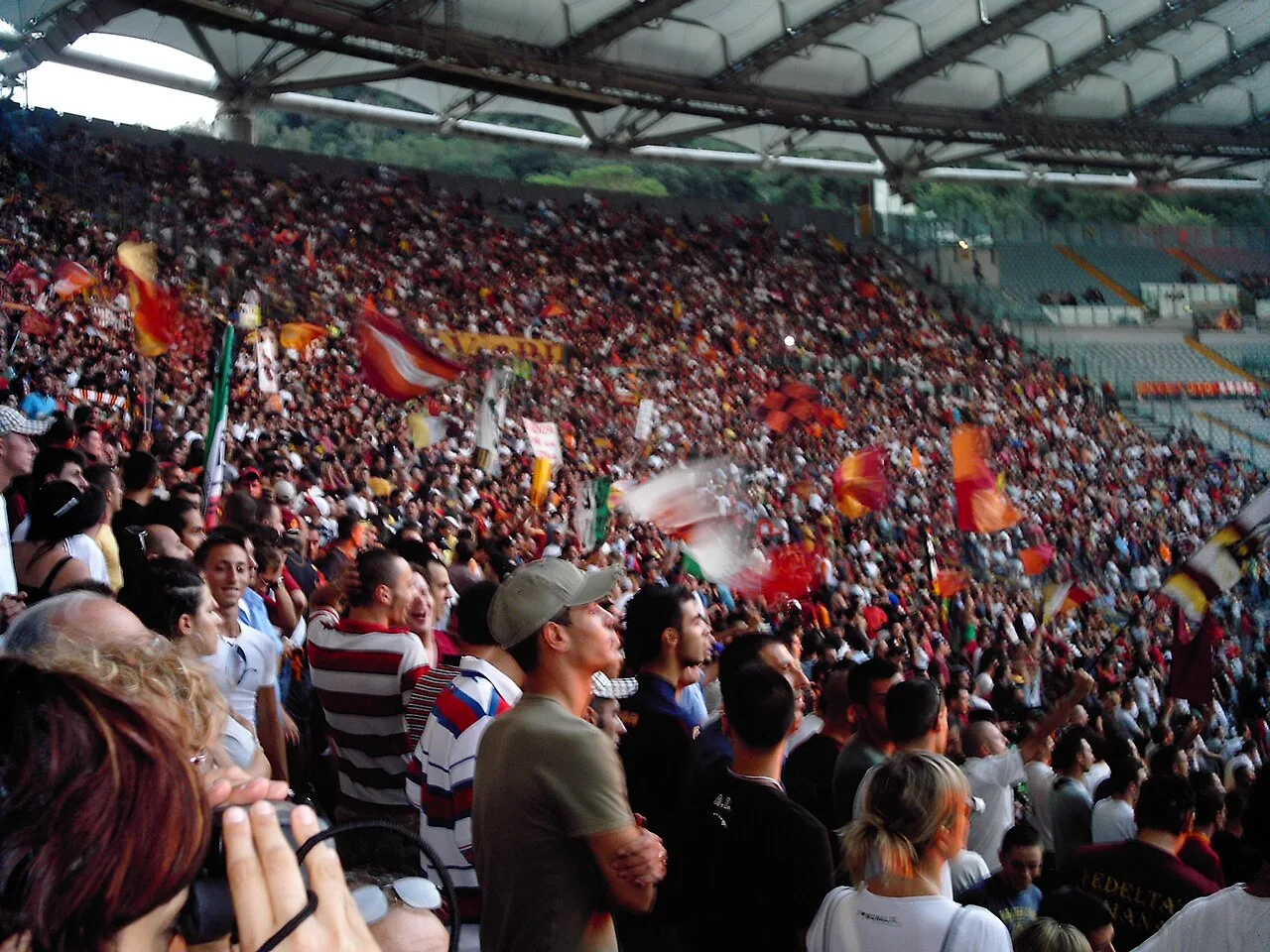
Roma are a useful scale here. They have won Serie A three times and they share a ground that holds over 72,000, the second biggest in Italy behind the San Siro (en.wikipedia.org/wiki/AS_Roma). Clubs of that size lose players for nothing too. It is not a small-club disease, it is a choice about when to have the difficult conversation.
What it hinges on is whether the club starts talks with two years left, when a fee is still real, or keeps waiting until the clock does the negotiating for them. Start at two years and you sell a player. Leave it to the last twelve months and you lose one.
This one came out of a question in the replies: 0qtr.com/post/c0497e2e593f?reply=139…