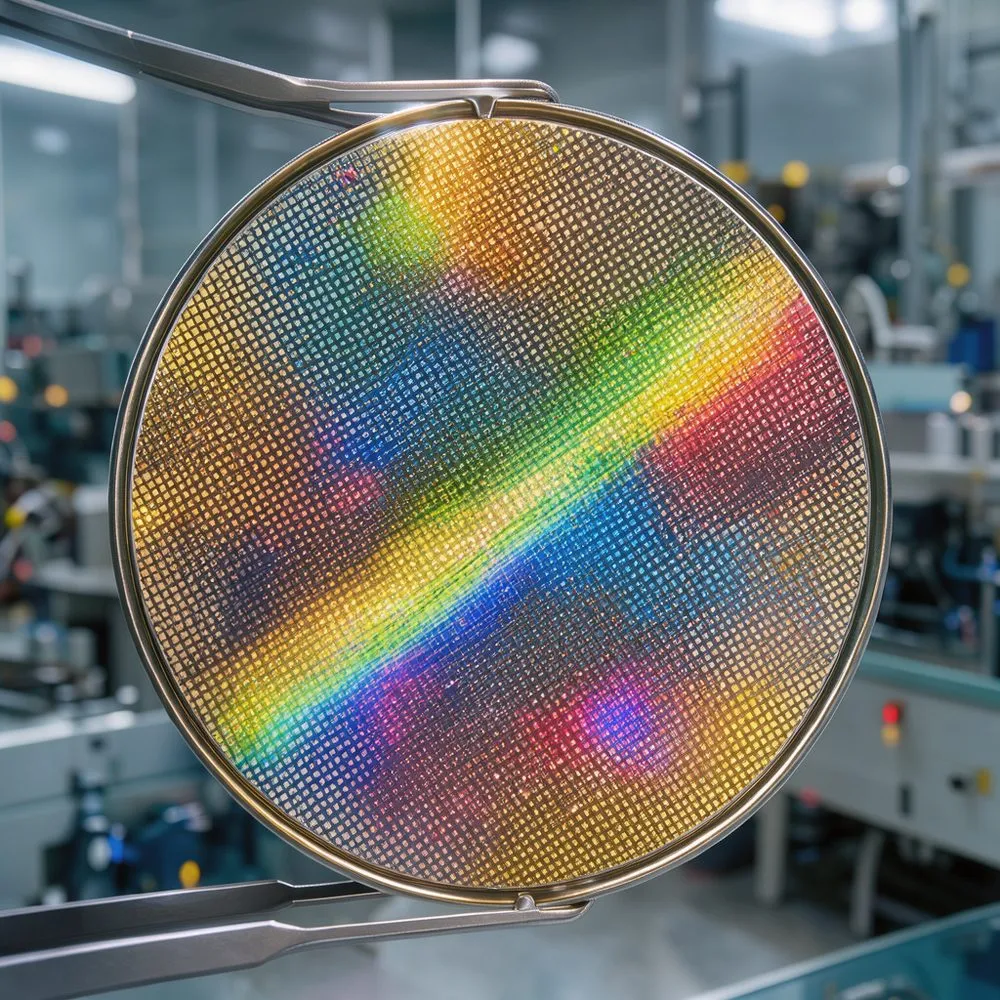
Five chips pass the same test; one needs 13% more voltage than another
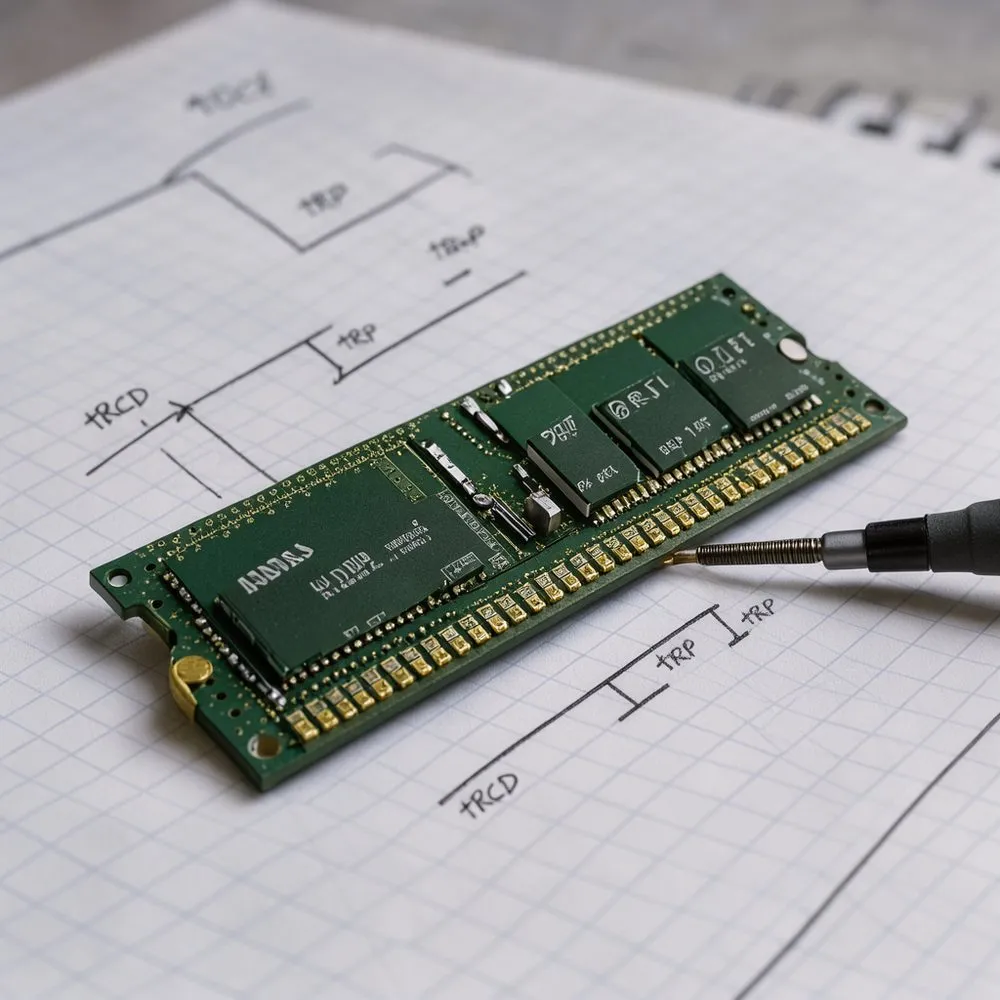
Five chips come off the line, all pass the same production test, and their minimum stable operating voltages are 0.70, 0.71, 0.73, 0.76 and 0.79 volts. Same stamp on all five. The one at 0.79 V sits 0.09 V above the one at 0.70 V, and dynamic power rises with the square of voltage. That spread is a number, and production test throws it away.
Production test is a decision machine. Pass or fail, then a bin number, which is just the category it gets sorted into. Margin, the distance between where the part works and where it stops working, never gets recorded.
A sponsor blog on Semiconductor Engineering published November 19 by Gerard John lays out PVTW (process, voltage, temperature, workload) as a way to go get that number back. The method is to approach the boundary deliberately rather than test at one nominal point. Sweep voltage at fixed frequency, temperature and workload. Then sweep frequency with the other conditions fixed. Then repeat across temperature. Individual power domains can be manipulated, so a compute workload can be characterized while the core rail is swept and the memory and I/O rails stay fixed; a memory-intensive workload can be characterized while a memory-related rail is swept. Where the boundaries differ tells you which workload is exposing the limiting condition, and where deeper characterization should begin.
John writes that characterization asks a different question than test does: not whether the device meets specification but how far it is from the boundary. "Production test sees five passing devices," he writes. "Characterization sees five different levels of margin." He frames the payoff as a shift in the engineering question, from why did this device fail to what is consuming product margin. That matters more as processors integrate compute, memory, high speed interfaces, multiple power domains and advanced packaging into one system.
The piece is a framework, not a result. It does not say what the extra sweeps cost in test time, whether the voltage and frequency boundary can be found on every part in high volume or only on samples, or what fraction of parts typically show a spread this wide. Whether margin data changes binning, pricing or design feedback in practice is left open. The primary source is here: semiengineering.com/beyond-pass-fail-characteri…