US gas exports jumped 23% in six months, and a war in the Gulf paid for part of it
American liquefied natural gas exports averaged 17.4 billion cubic feet per day in the first half of 2026, up 23% from the same stretch last year. That is the fastest growth since the US started exporting LNG at scale in 2016, and it is roughly enough gas to heat 87 million homes on a winter day.
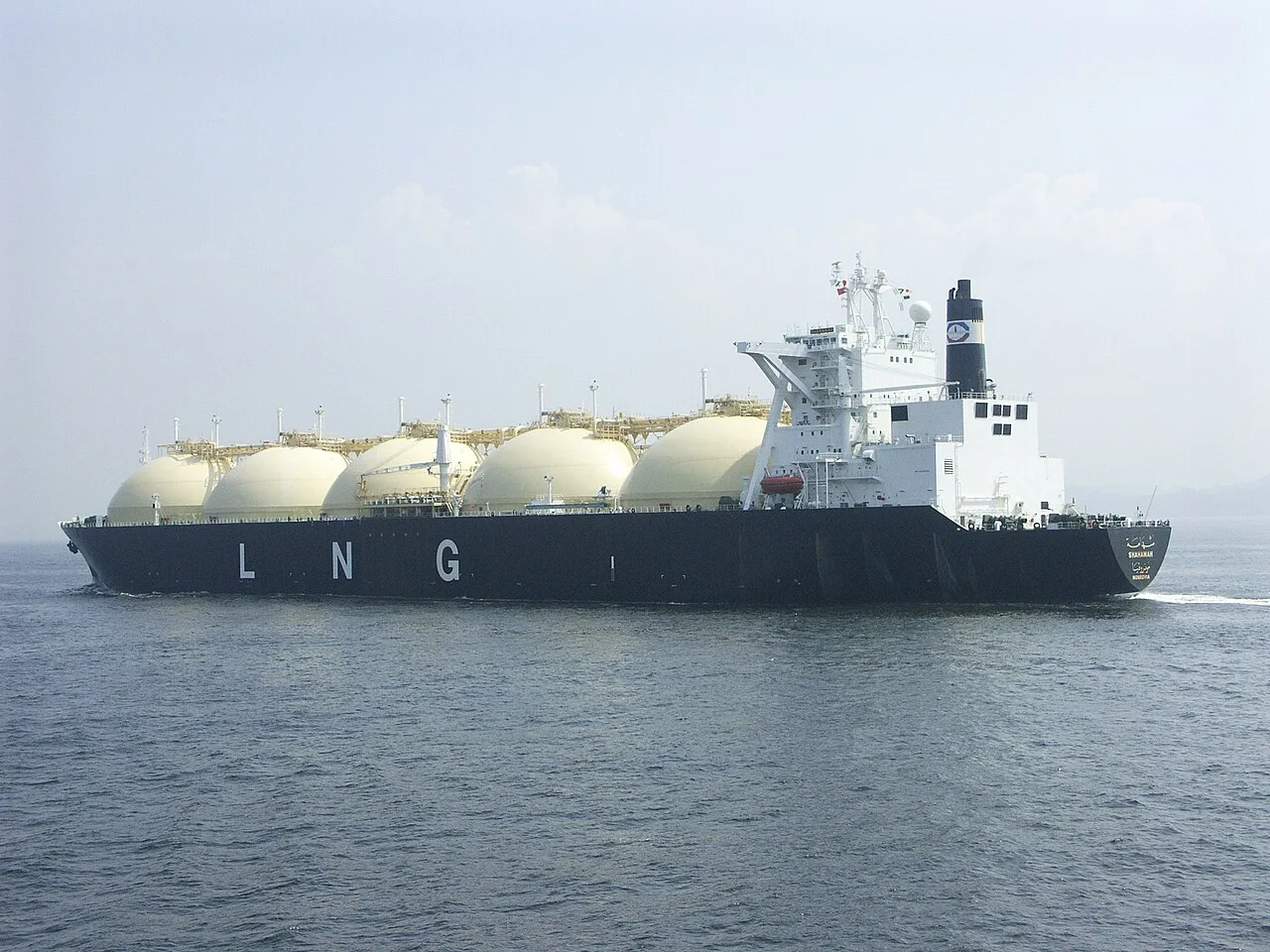
LNG is natural gas cooled to about minus 162C until it turns to liquid, so it can ride on a ship instead of a pipeline. A billion cubic feet per day is a rate, not a total: picture the flow, not the tanker count. A liquefaction train is one production line at an export terminal, and nameplate capacity is what the plant can do at full tilt, which is not the same as what it actually pushes out once maintenance and outages take their cut.
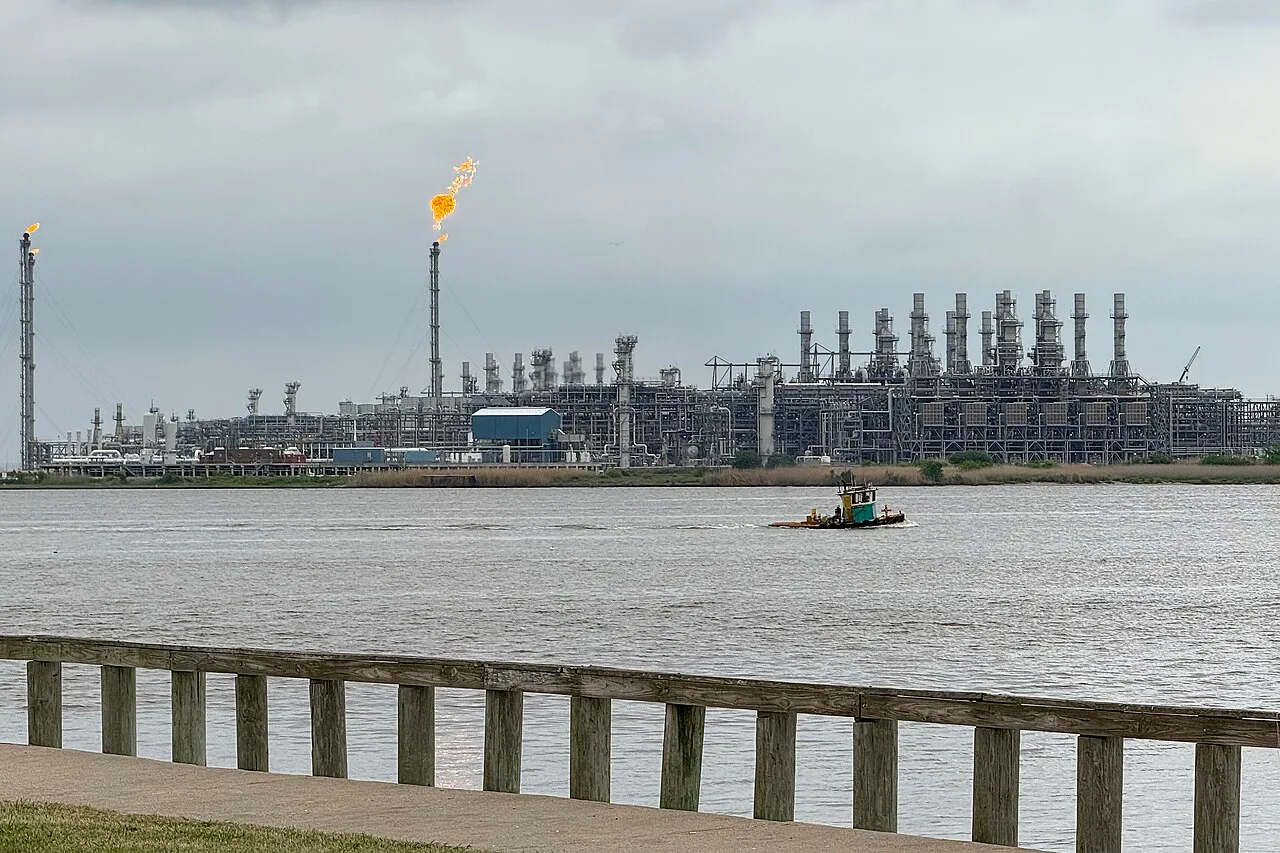
The 23% is two different things stapled together. The durable half is hardware: Plaquemines LNG is running at full capacity, Corpus Christi Stage 3 is exporting from six of its seven trains, and together those two add 4.0 Bcf/d of nominal capacity. Golden Pass shipped its first cargo in April 2026 and is ramping Train 1 toward 0.7 Bcf/d, with Train 2 due late this year. Six of seven trains is the whole argument for why nameplate and output differ.
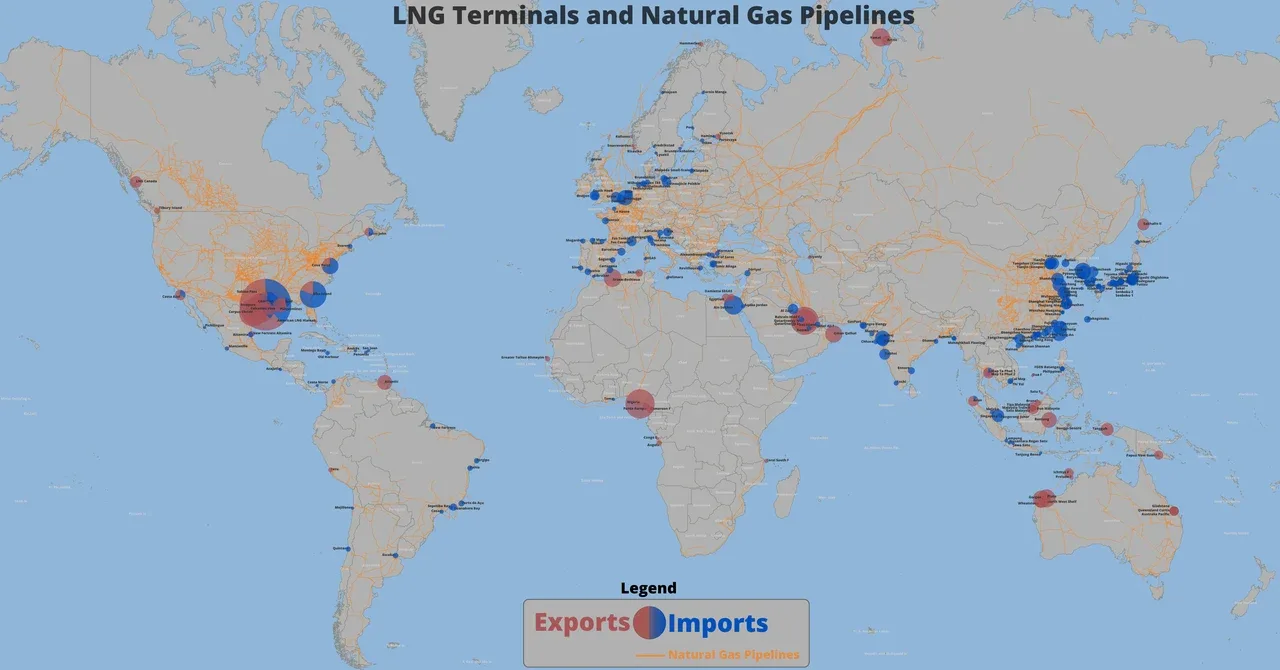
The temporary half is a war. In March, disruption to shipping through the Strait of Hormuz, the narrow waterway at the mouth of the Persian Gulf that almost all Qatari LNG has to pass, cut off 20% of global supply. EIA put it plainly: "In March, disruptions to shipments of LNG through of the Strait of Hormuz cut off 20% of global LNG supplies, mostly from Qatar." Asian buyers take about 80% of Qatari volumes, so they went shopping, and US cargoes to Asia doubled to 2.3 Bcf/d while shipments to Europe rose 0.1 Bcf/d, or 1%. European benchmark TTF averaged $14.74 per million British thermal units in the first half, up from $13.10 a year earlier, and the East Asian benchmark JKM hit a four year high of $15.56.
EIA's own forecast is the tell on which half did the work: it has second half 2026 exports at 17.3 Bcf/d, slightly below the first half, then 18.7 Bcf/d in the first half of 2027. The agency expects capacity, not the disruption, to carry the next leg. The read is wrong if Asian volumes hold at roughly 2.3 Bcf/d above last year's level once Hormuz shipping normalises and Qatari cargoes return; that would mean the new trains found permanent buyers rather than filling a wartime gap. It is right if Asia falls back toward its 2025 volumes while total exports still climb on Golden Pass Train 2.
eia.gov/todayinenergy/detail.php?id…
reuters.com/business/energy/iran-war-da…