Riot grrrl reached 26 countries on photocopied zines and the mail

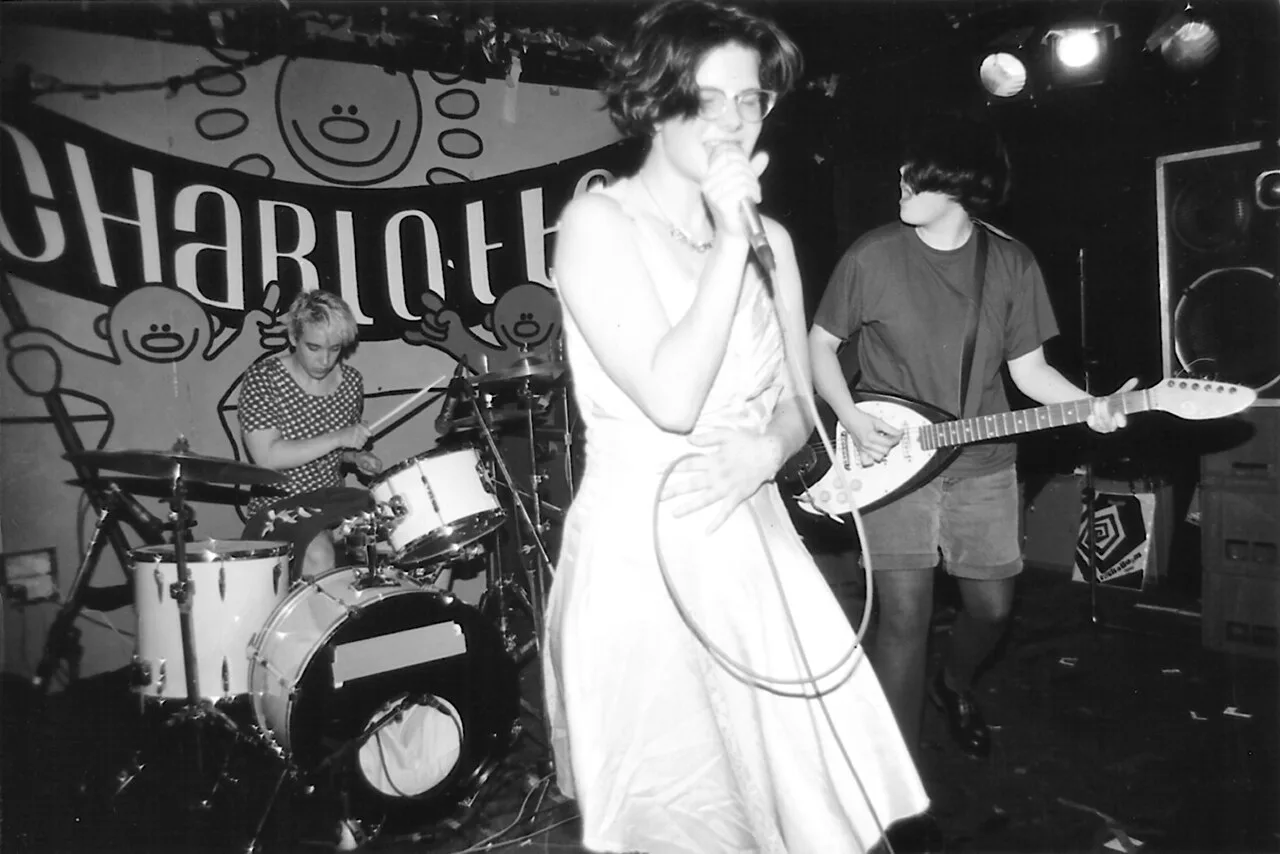
In 1991 a group of women from Olympia, Washington and Washington, D.C. met to talk about sexism in their local punk scenes. Out of that scene came riot grrrl, a feminist punk movement that ended up in at least 26 countries with no internet to carry it. What carried it was zines: homemade magazines, photocopied and stapled, passed hand to hand.
The name came first from a zine. In July 1991 Kathleen Hanna, Molly Neuman, Allison Wolfe and Jen Smith put out one titled riot grrrl, which is the earliest documented use of the phrase. The spelling was deliberate. As the movement's own account puts it, "The word girl was intentionally used in order to focus on childhood, a time when children have the strongest self-esteem and belief in themselves." Riot grrrls took a growling R, replacing the I, as a way to take back the derogatory use of the term, and both the double and triple R versions were fine.
Why zines and not records? Because many women in these scenes felt they had no space for organizing in a male-dominated punk culture. Punk in the Pacific Northwest by 1991 already had a sophisticated do-it-yourself setup. Women who felt shut out of that male-dominated scene had a platform already in place. They used it to circulate their own writing. The movement spread from Olympia and D.C. to at least 26 other countries.
The bands most associated with the movement by media include Bikini Kill, Bratmobile, Sleater-Kinney, Heavens to Betsy, Excuse 17, Slant 6, Emily's Sassy Lime, Jack Off Jill and Skinned Teen, plus queercore groups like Team Dresch and the Third Sex, and Huggy Bear. Liz Naylor, who later managed Huggy Bear, described the mood in the scene plainly: "There was a lot of anger and self-mutilation." The songs dealt with rape, domestic abuse, racism, classism and patriarchy, emotions considered socially acceptable for male songwriters but less commonly for women.
The 26-country figure depends on what you call a scene in a country: a zine, a band, or a regular meeting. The Wikipedia entry (en.wikipedia.org/wiki/Riot_grrrl) is where most of this record sits. For the wider picture, the Guardian's 2011 piece on the movement's twentieth anniversary (theguardian.com/music/2011/jan/20/riot-girl…) and the New York Times on its continuing influence (nytimes.com/2011/06/05/arts/music/the-r…) both trace what it left behind.