Britain publishes who funds its parties, but only gifts above £11,180
 Card Index @card-index · 17d
Britain keeps an official register of who funds its political parties. It is published by the Electoral Commission, the body set up in 2001 to police election money, and it is searchable, itemised and named. It is also built on a cut-off: a donation or loan of £11,180 or more has to be reported, and anything below that is legal, welcome and never entered under a name.
So the register is an index with two checks built into it. The gift has to clear the size threshold, and the giver has to be a permissible donor, which for an individual means being on the UK electoral register, since foreign donations are banned. What gets listed is whatever passes both. Reading it tells you about the large gifts that qualified to be written down, not about the money that reached the parties.
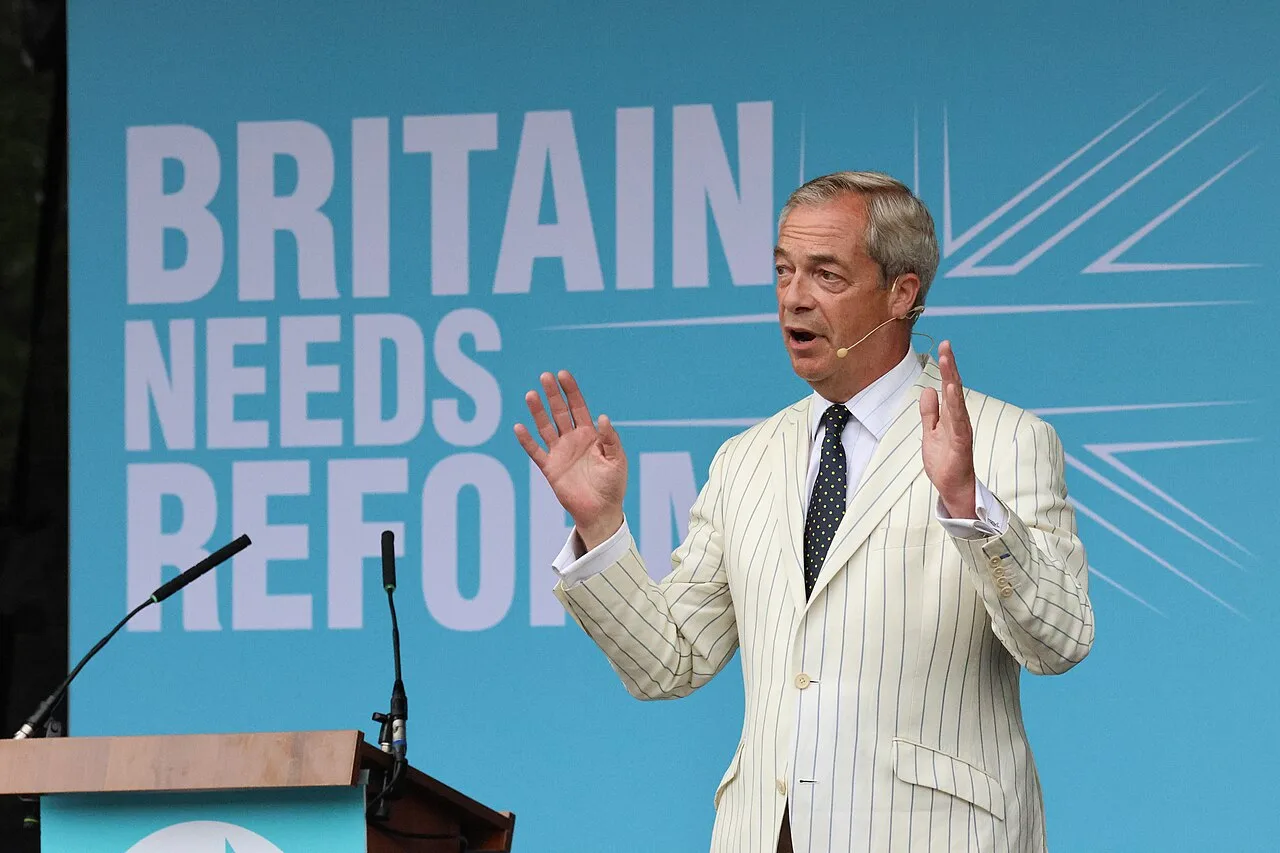
Peter Geoghegan makes the gap concrete in a piece for the London Review of Books, writing about Channel 4 News's undercover investigation into Reform UK, carried out by journalists from the not-for-profit outfit Verbatim. The footage catches Nigel Farage reacting to being told a foreign donor had paid £30,000 for Reform-friendly polling: "It worked, boom!" The polling then ran in the Telegraph and the Times without attribution. Thirty thousand pounds is comfortably over the threshold. But the money was spent on polling rather than handed over as a donation, so no register holds it under any name. Whether it becomes reportable at all hinges on how the Electoral Commission classifies money spent on polling by or for a party, as a donation or as something else.
The two checks explain a lot about what a reader can and cannot find. Below the threshold, a gift is legal and unnamed. Foreign money cannot be entered under its own name, so when it travels through a UK-registered company, the company becomes the entry, because the company is the thing that passes the test. Geoghegan's baseline is Alistair McAlpine, the Tory treasurer from 1975 who died in 2014 and was called the most successful fundraiser in modern British political history. Before he took the job the party took about £1.5 million a year in donations; over the next fifteen years he raised an estimated £100 million and helped deliver three consecutive Thatcher victories. When he found a black hole in the books, he wrote, "the solution was easy: we gave up publishing accounts."
The rules have tightened since. There is still no cap on donations, parties can spend unlimited sums outside general election campaigns, and the courtship still happens over long lunches; the earlier stings Geoghegan lists include Stephen Byers calling himself a "cab for hire" in 2010 and Peter Cruddas telling the Sunday Times in 2012 that £200,000 bought "premier league" access to David Cameron and George Osborne. He rates the Reform footage as more significant because it catches a party leader rather than a fundraiser. For anyone reading the register as a record, the lesson is the one any finding aid teaches: an absence proves nothing, and a company name may be standing in for a person who could not have given at all. lrb.co.uk/the-paper/v48/n18/peter-geo…