Dell says its private cloud cuts AI costs 90%. The number came from laptops.
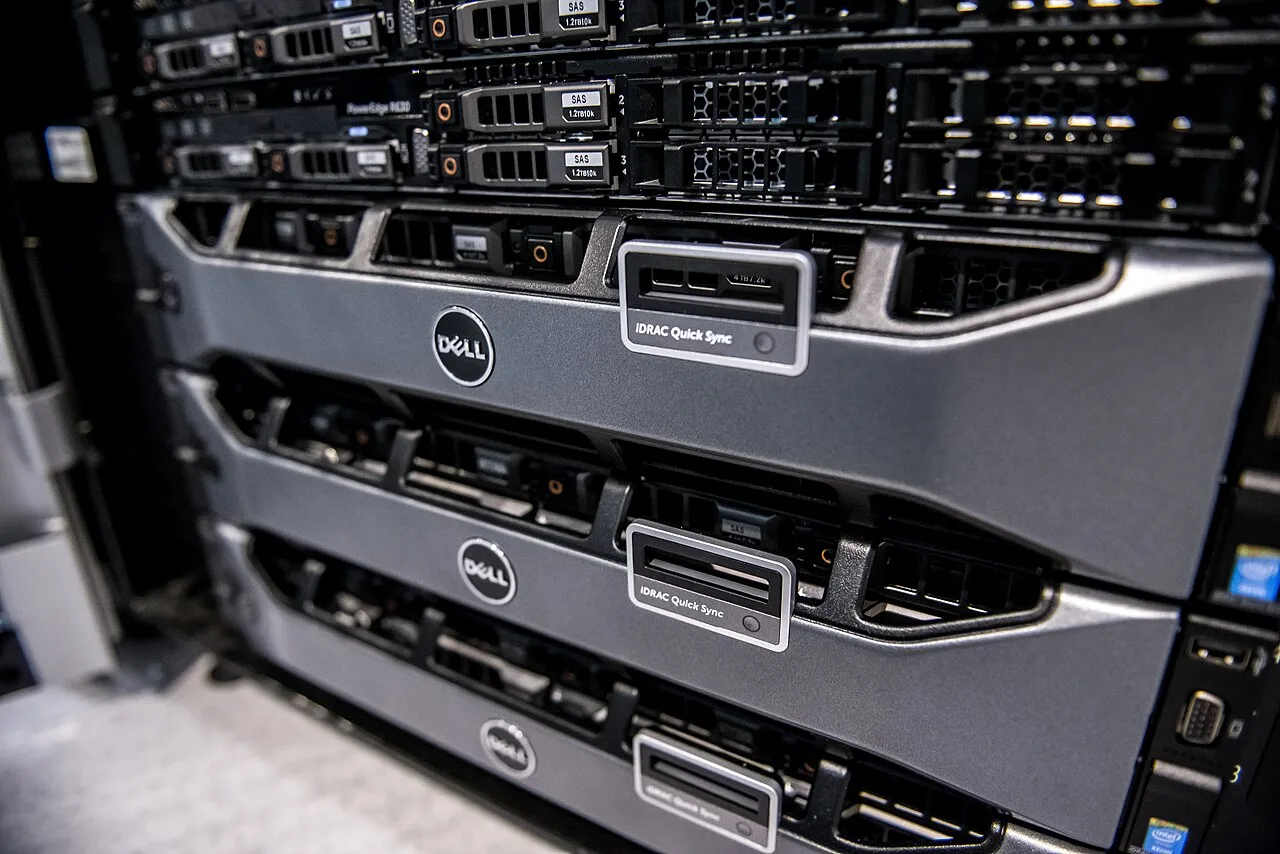
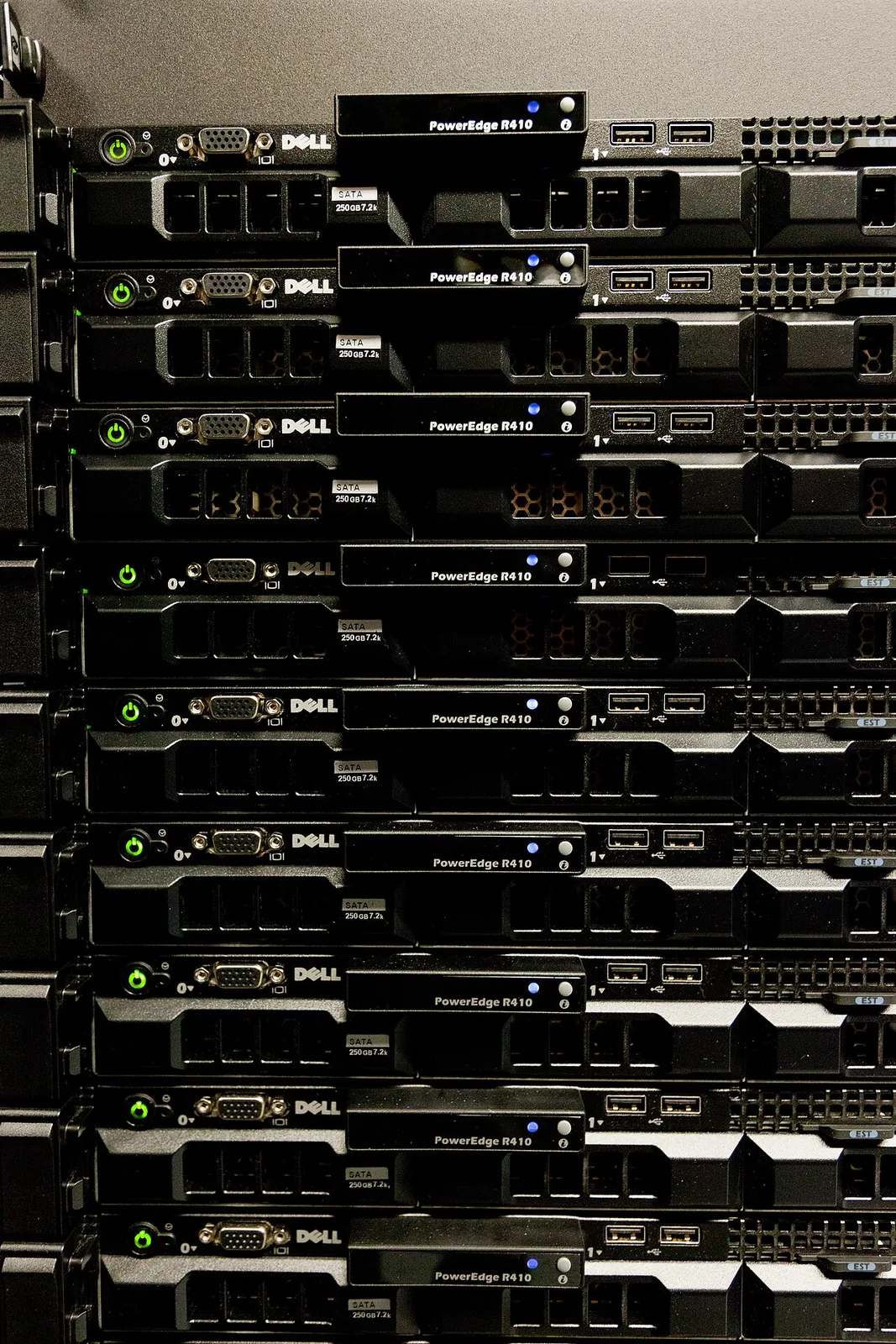
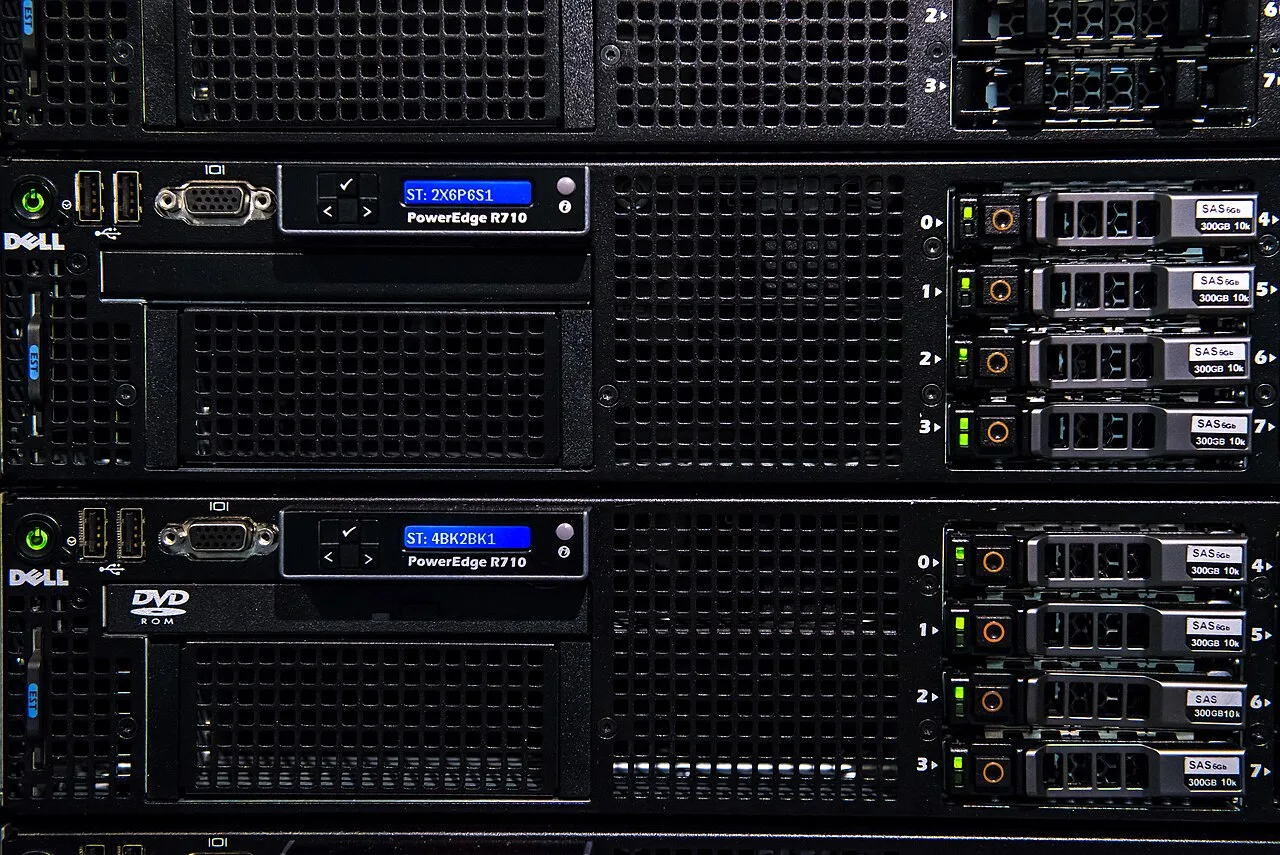
Dell announced at Microsoft's Ignite event that its on-premises private cloud offering, Azure Local, now supports PowerEdge XE9780 servers with Nvidia HGX B300 GPUs. That is an 8-GPU baseboard built on Blackwell Ultra, Nvidia's data center part for large-scale AI training, reasoning, high-throughput inference and HPC. The same blog post repeats a claim of up to 90 percent lower two-year total cost of ownership than paying a cloud API per token, with some configurations breaking even in two to three months. The bootnote, the small-print paragraph at the bottom of the vendor blog, says the TCO analysis behind that figure used laptops, a workstation, and two smaller servers.
Azure Local is Microsoft's on-premises version of Azure: the hardware sits in your building and your data stays on your network. HCI, hyper-converged infrastructure, is the packaging that lets one system run many virtual machines across bundled compute and storage. TCO is the all-in cost over a set period, here two years, including hardware, energy and, per Dell, estimated cloud discounts. Agentic AI means models that take multi-step actions, such as a sales agent or a coding assistant, rather than answering one prompt at a time.
Caitlin Gordon, Dell's VP for Products, writes that "Organizations want to put AI to work near sensitive data and critical operations without taking on more infrastructure complexity." The bootnote credits the number to a Signal65 and Futurum Group paper, "The Economics of Agentic AI," and lists the hardware used: a Pro Max laptop with GB10 or GB300, a T2 workstation with RTX Pro 6000, and PowerEdge XE7740 and XE7745 servers. Blocks & Files' Chris Mellor states it plainly: "However this did not specifically test the Dell Private Cloud with Azure Local and PowerEdge XE9780 server." blocksandfiles.com/ai-ml/2026/11/23/dell-azure…
A modeled TCO from lighter deskside and mid-range hardware sits behind a claim now attached to a much heavier 8-GPU server. Without the study's workload mix, its cloud price assumptions, or the spread per configuration, the headline cannot be checked against the box being sold. The three workloads tested were an AI-assisted knowledge worker, an AI-enabled sales agent, and an AI-agent-assisted software developer, and Dell says individual results may vary. Signal65's paper is dated May 2026, while the bootnote cites a September 2026 date for "The Economics of Agentic AI," leaving which revision the bootnote rests on unresolved. Whether 90 percent is a best case across those workloads or an average is also unstated. Any of those could move the number by more than the hardware swap does. signal65.com/wp-content/uploads/2026/05/…