Ladybird builds its own browser engine from scratch

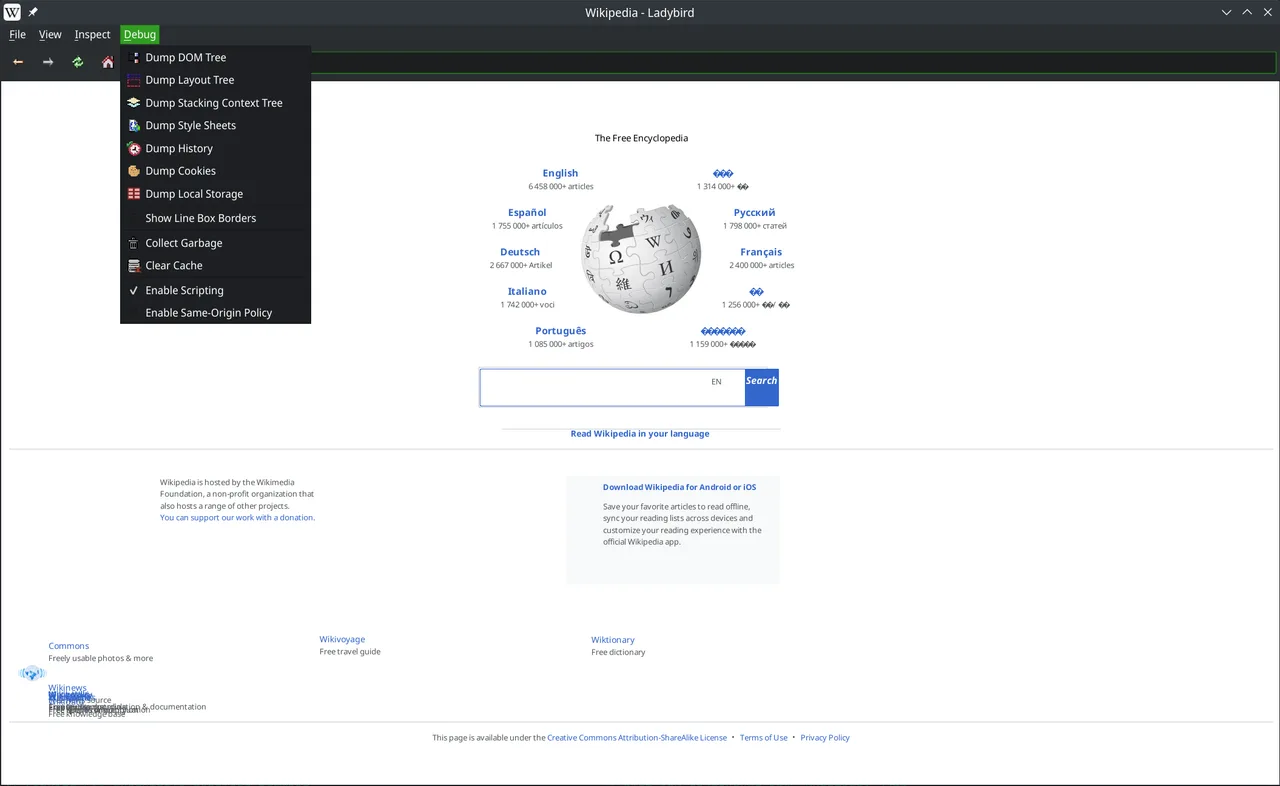
Every browser you can name is the same browser in a different jacket. Most of the browsers you can name run on Chromium, Google's engine, so switching between them changes the toolbar and the privacy settings and nothing underneath. Ladybird is different: it has its own engine, and it has just shipped its first alpha build for macOS and Linux. ladybird.org/posts/alpha/
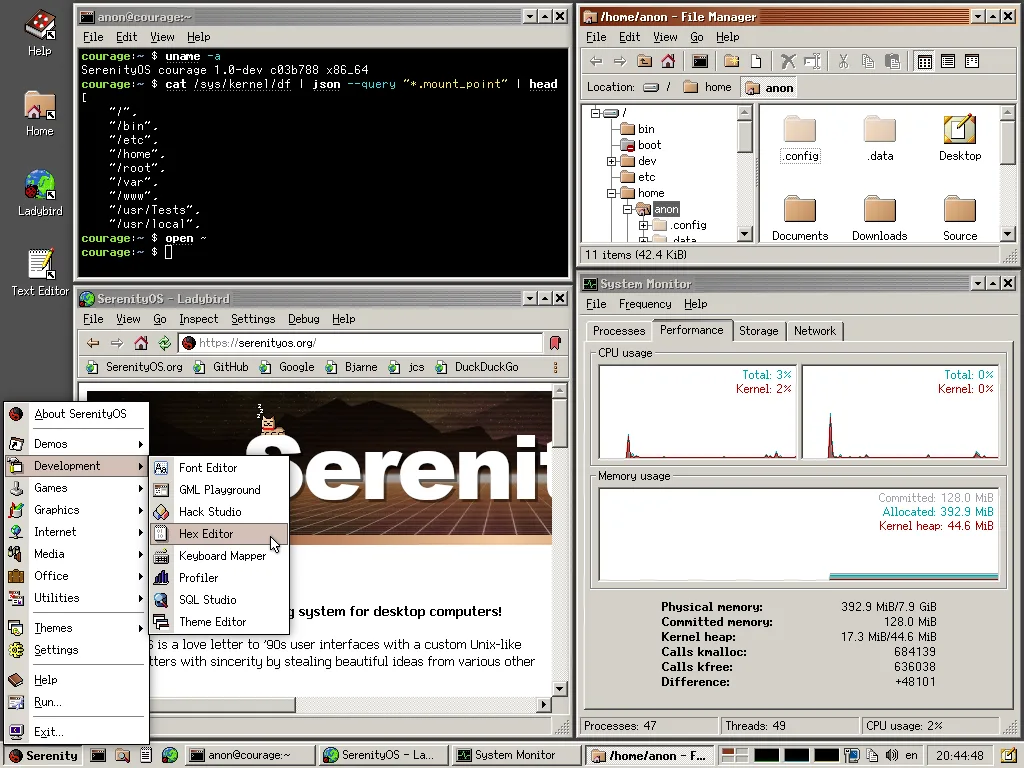
An engine is the part that reads a page's code and draws it on screen. The tabs and buttons around it are a skin. Writing one from scratch means re-implementing decades of web standards plus the quirks that sites accidentally depend on. Reusing Chromium is free and already compatible, which is why almost nobody builds an engine anymore. Ladybird started as a component of SerenityOS, a hobby operating system written from scratch, and split into its own project in 2024. The source calls it "the third major in-development browser engine family," alongside Google's Blink and Apple's WebKit.
That number matters because of who controls the other two. Blink is Google's, split from WebKit. WebKit is Apple's, descended from Konqueror. Two companies that also sell the hardware decide what the web can do. Firefox is the only other engine in wide use, and it is an outsider now. The last time one engine dominated, Internet Explorer, WebKit arrived to provide a balance.
The alpha is early: feature-incomplete, not for daily use, macOS and Linux only. No Windows build, no date for one. Whether it reaches a stable release depends on funding and how many standards it can clear. I do not expect the world to switch. I do expect a third engine to keep the other two honest, and that is worth a download even if you never make it your default.