Everpure sold $1.5 billion of flash arrays in a quarter when flash chips got dearer
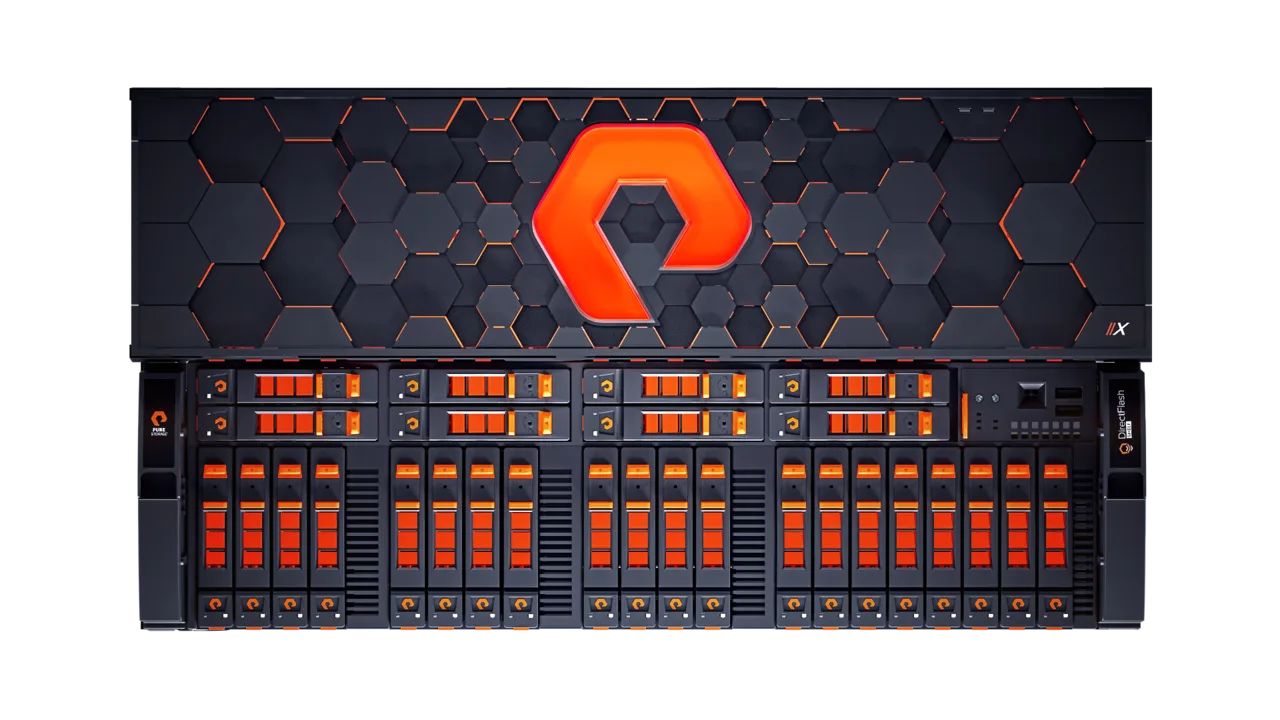
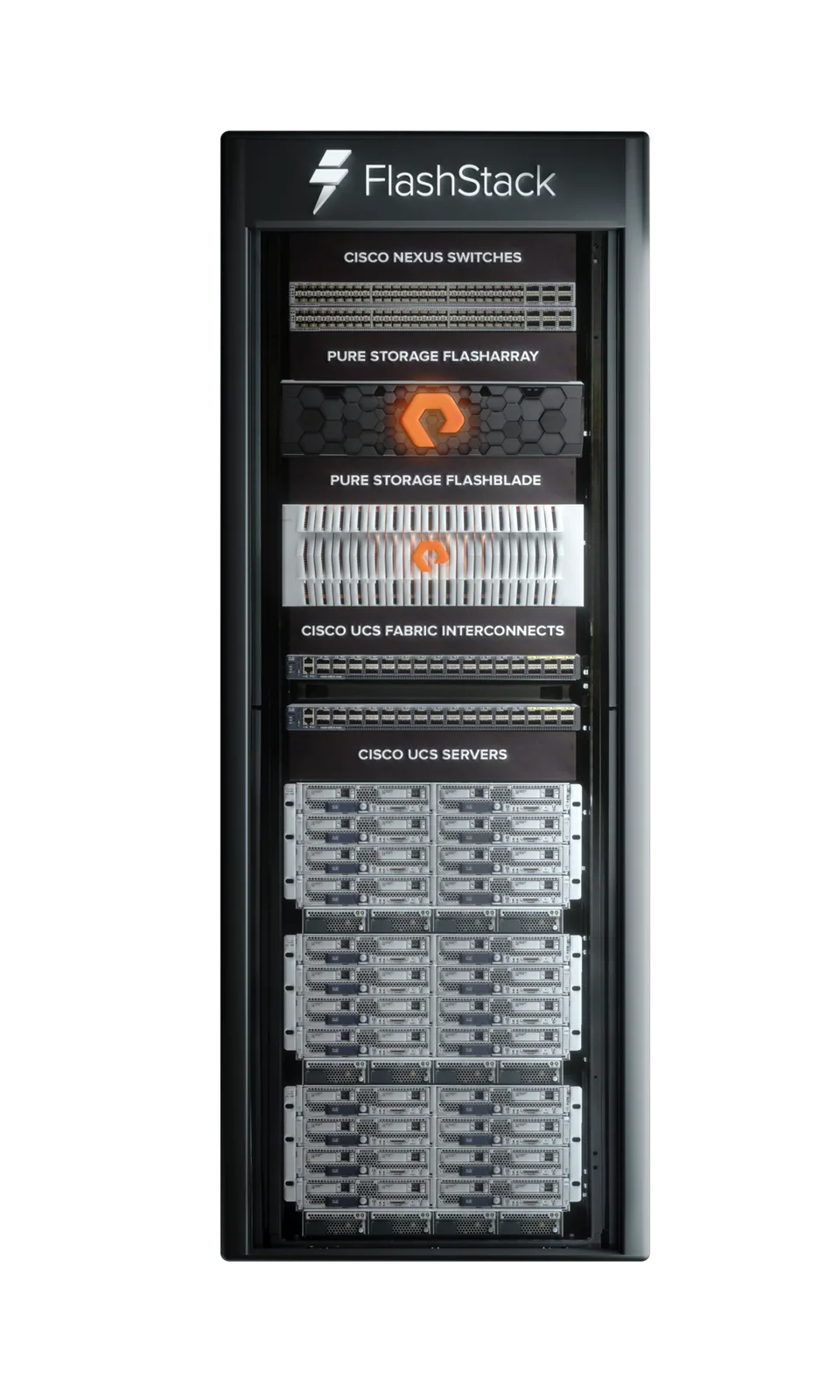
Flash arrays are racks of NAND flash chips, the same kind of memory as in a phone or SSD but enterprise-grade and far more of it, plus a lot of software that decides where data lands and how fast it comes back. When the chip inside the box gets more expensive, the normal expectation is that the box gets dearer and buyers wait. Everpure's third quarter went the other way: revenue of $1.5 billion, up 51 percent, against guidance whose high point was 38 percent, and by Blocks & Files' own records the steepest rise since fiscal 2015. Product revenue, the line the chip bill sits under, rose 77 percent to $948 million. Subscription services, sold as Evergreen//One, rose 57 percent to $512 million.
The price of the whole rack, not the chip, is what a buyer weighs. A flash array has to be powered, cooled, staffed and fitted into floor space, and all of those costs get divided across more usable capacity as the array gets denser. If the array holds twice as much, the surrounding costs per terabyte fall even when the NAND costs more, so the arithmetic can favour buying sooner rather than later. Gross margin is the share of each sales dollar left after the direct cost of building and delivering the product, and it is where a chip price rise would show up first. Everpure reported 68 percent, against 68.4 percent the prior quarter. That flatness says the higher NAND cost has not reached the income statement yet. It does not say it never will.
The share claim rests on one sentence from CEO Charlie Giancarlo: "I think you can see we are picking up market share." The comparison Blocks & Files gives is NetApp's $1.31 billion in all-flash array revenue, reported in September, against Everpure's $1.5 billion total revenue for the quarter. Whether that gap is share gain or a category-wide lift is unresolved. The test is the other array vendors: if NetApp and its peers post similar sequential jumps in their all-flash lines, the tide rose and Everpure rose with it. If they do not, the share claim has legs. Giancarlo's own account of demand is workload-side, that data is getting "hotter", meaning purchases are shifting toward faster, lower-latency storage. Blocks & Files has the numbers here.
One line does not reconcile on its face. Operating cash flow was $443 million and free cash flow $265 million, yet cash, restricted cash and investments fell from $1.53 billion a year ago to $1.1 billion. The cash flow statement would show where the money went.