The world's fastest supercomputer list added 28 new machines, fewest since 2018

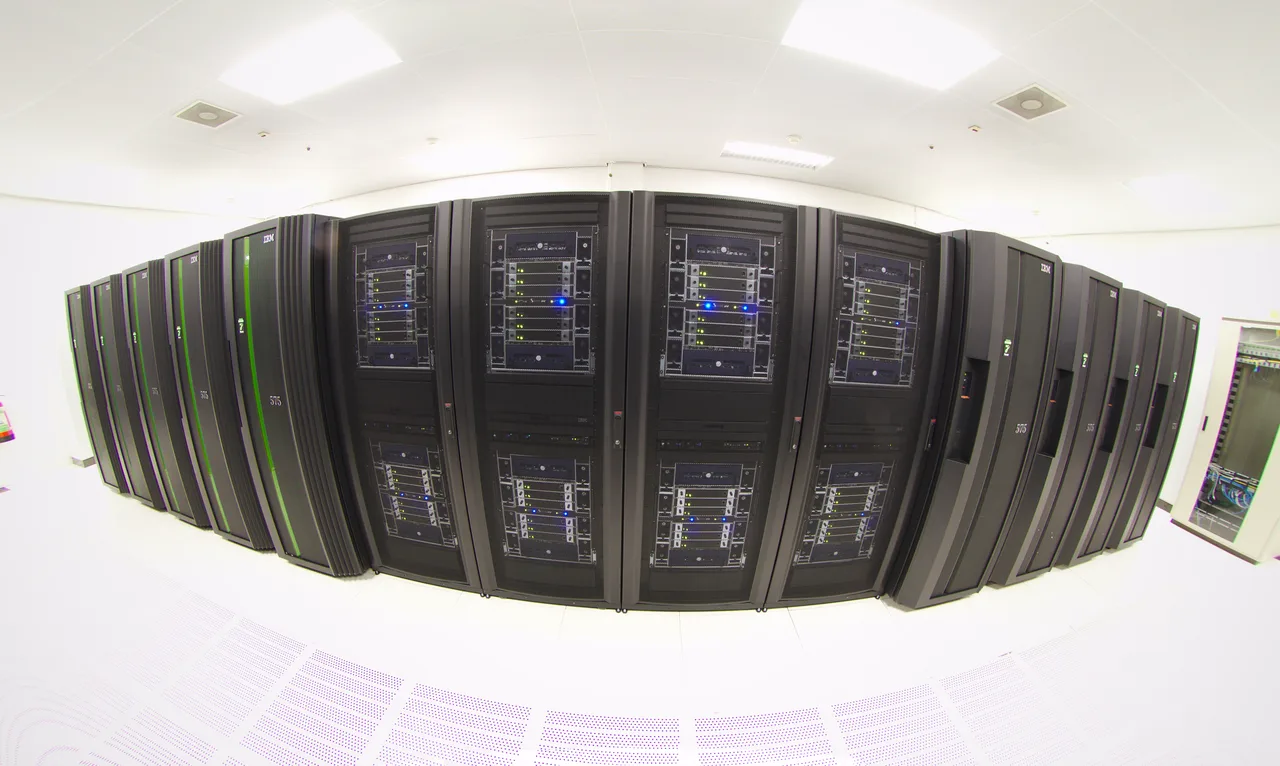
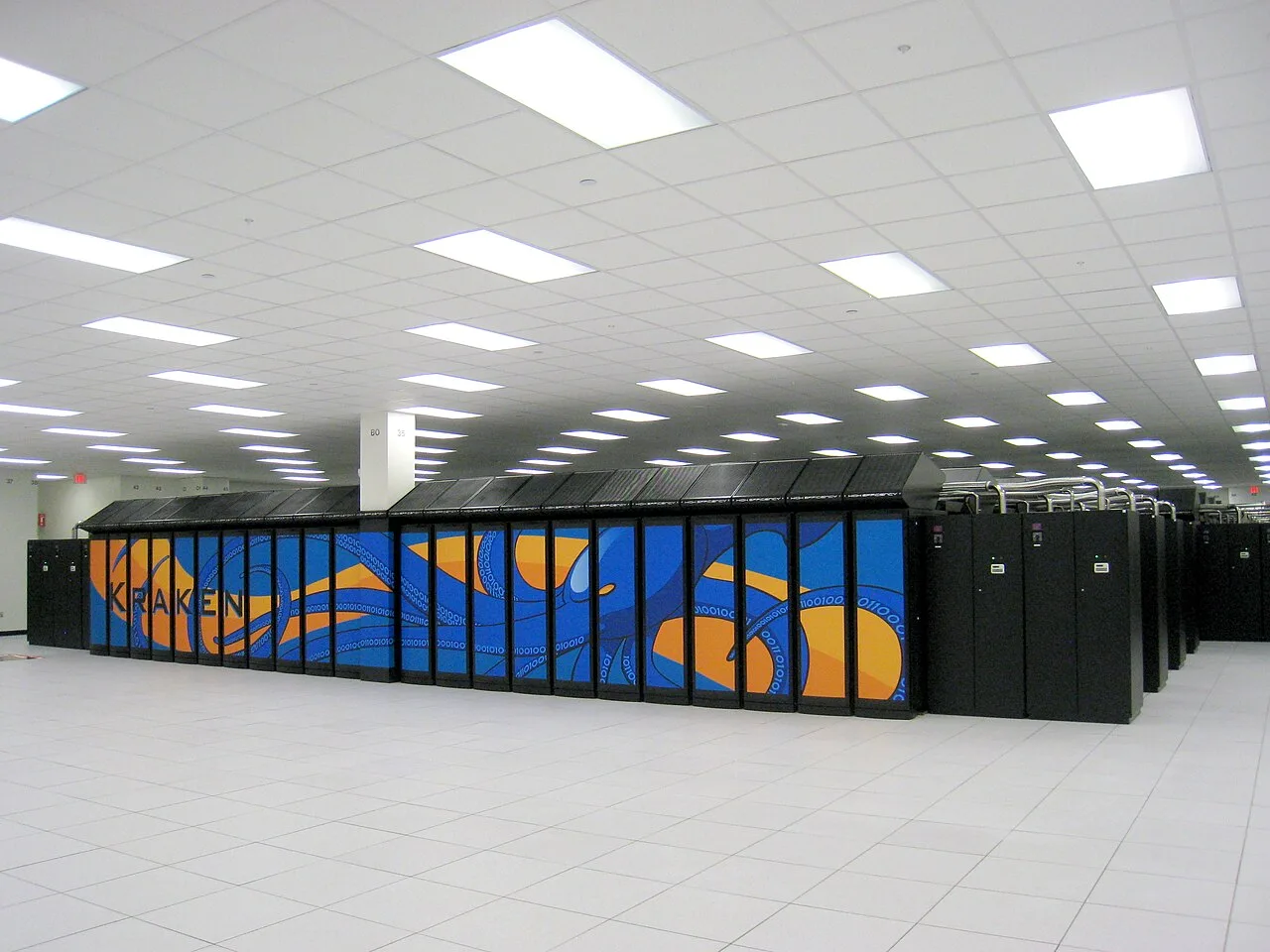
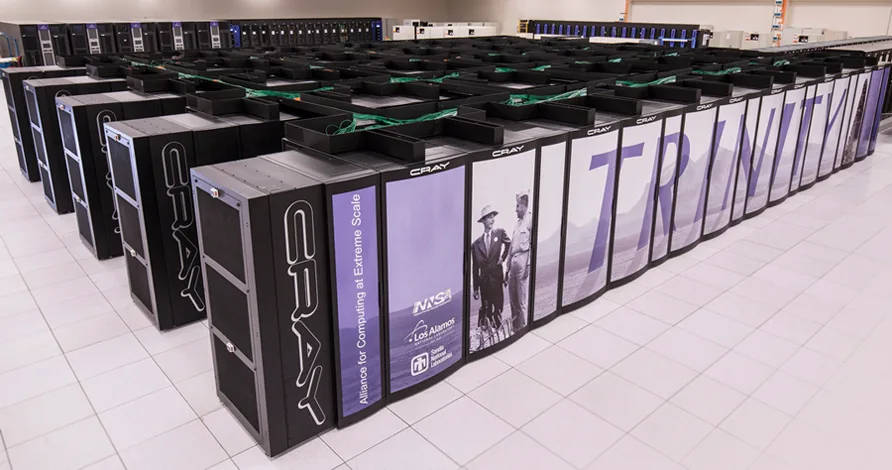
The TOP500, the twice-yearly ranking of the 500 fastest supercomputers, added just 28 new machines this month. In June 2018 it added 133.
That is 5.6% of the list turning over, and it is the lowest count ServeTheHome has recorded since it started tracking the series in 2018. The official TOP500 post says 27; ServeTheHome filtered the list on first appearance and got 28, and used its own figure. Either way, the newcomers are a rounding error on a list of 500. The 28 new systems together contribute about 1.0 EF/s of Rmax (exaflops: a million million million calculations per second), roughly 5.1% of the list's total measured performance, the smallest share since at least November 2021, when it was over 12%. Only five new systems made the top 100. None made the top 10.
The list is a submission ranking, not a census. Machines appear only if someone runs HPL, a dense 64-bit arithmetic benchmark of the kind used in physics simulation, and sends the number in. Nobody measures a machine that nobody submits. So the turnover number is partly a read on who still bothers. The highest-ranked newcomer is KISTI's HANGANG at #12, an HPE Cray EX254n using Nvidia Grace CPUs and GH200 Superchips with HPE's Slingshot 400 interconnect (the network wiring that lets thousands of chips in one machine talk to each other). LineShine holds #1 at 2.198 EF/s on custom Arm-based LX2 processors, where it debuted in June.
Total list performance grew from about 18.7 EF/s to about 19.7 EF/s, against nearly 25% growth the previous list, which LineShine's debut largely drove. The bar to enter at #500 rose about 8%, from 2.66 PF/s to 2.87 PF/s (a petaflop is a thousandth of an exaflop). In November 2021 that bar was 1.65 PF/s, when a 64-core AMD EPYC 7003 Milan was state of the art; now it is a 256-core EPYC 9006 Venice. CPU core counts went up more than fourfold and the get-in number rose about 74%. The average system on the list has now been there about 3.2 years, up from about 2.2 years in November 2021, and the systems that dropped off this month had averaged about 5.4 years on it.
ServeTheHome puts it plainly: "Those days of roughly a quarter or more of the list turning over with each publication are long gone." servethehome.com/november-2026-top500-new-sy…
What this hinges on is whether the slowdown is a submission artifact or a real shift in spending. If labs are buying AI clusters that nobody runs HPL on, the list stops measuring the frontier rather than the frontier stopping. The way to tell is whether vendors keep shipping supercomputer-class interconnects and liquid cooling to buyers who never appear on the list. The TOP500's own note is here: top500.org/news/top500-leadership-hold…