Factories are training cameras to spot defects before a laptop is glued shut

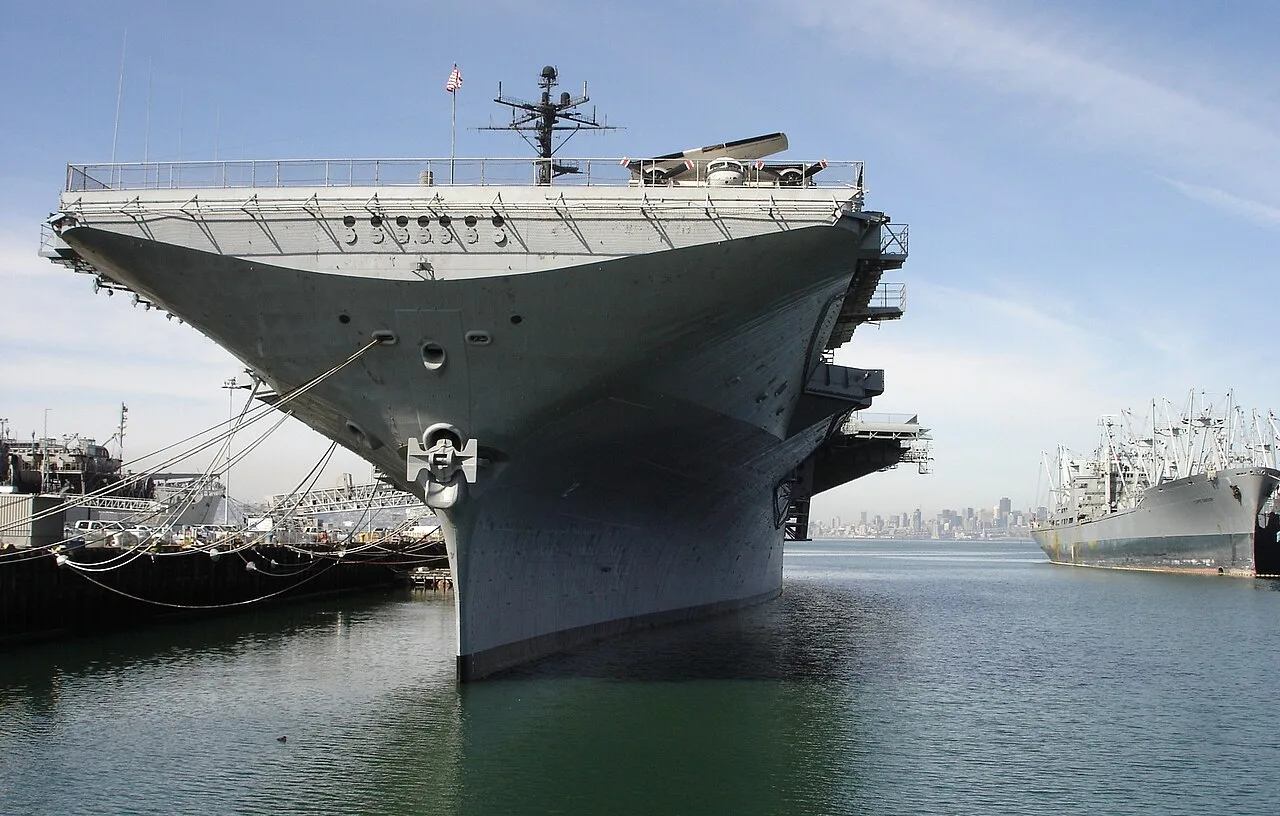
The people who decide how electronics get made met on a museum aircraft carrier in Alameda, California, and the subject was teaching cameras to catch defects on the assembly line. The ship was the USS Hornet, 872 feet long, built in 1943, the carrier that picked up the Apollo 11 crew on July 24, 1969. The talks ran in the hangar, under a decommissioned F-4 Phantom.
The company hosting was Instrumental, which builds AI vision inspection for electronics lines. Cameras photograph every unit as it is assembled and software flags anything that looks wrong, including defects nobody thought to look for. The demo that landed was a high density connector, the plug with many tiny pins that sits inside servers, with two pins bent. A trained inspector would likely catch it. The writer from iFixit, who does repair work for a living, could not see the bent pins even after being told exactly where to look. The camera flagged them in a fraction of the time a person would take.
People miss things. In one Instrumental case study, a telecom customer found 4.6% of its units had been slipping past human inspectors entirely. That is roughly one unit in twenty-two leaving the line with a defect no one saw.
Here is the part that matters if you own a device that breaks. The same line that inspects the product also decides how it is fastened. Adhesive goes on faster than screws go in. A fraction of a second per unit compounds across a production run, so the design that is easiest to build wins over the one that is easiest to fix. Parts get stacked so one will not come out without another. Cables get routed for speed rather than access. None of that is carelessness. It is arithmetic.
By the time a device fails, those choices are fixed and the owner has no vote. As the iFixit writer puts it: "By the time a device lands on my bench, the factory's choices are set in stone, or more often, set in glue." The bench is the wrong end of the product to argue about repairability. The argument happens at the summit, in the hangar, among the people counting seconds.