A full-back who tucks in leaves his winger with nobody to pass to

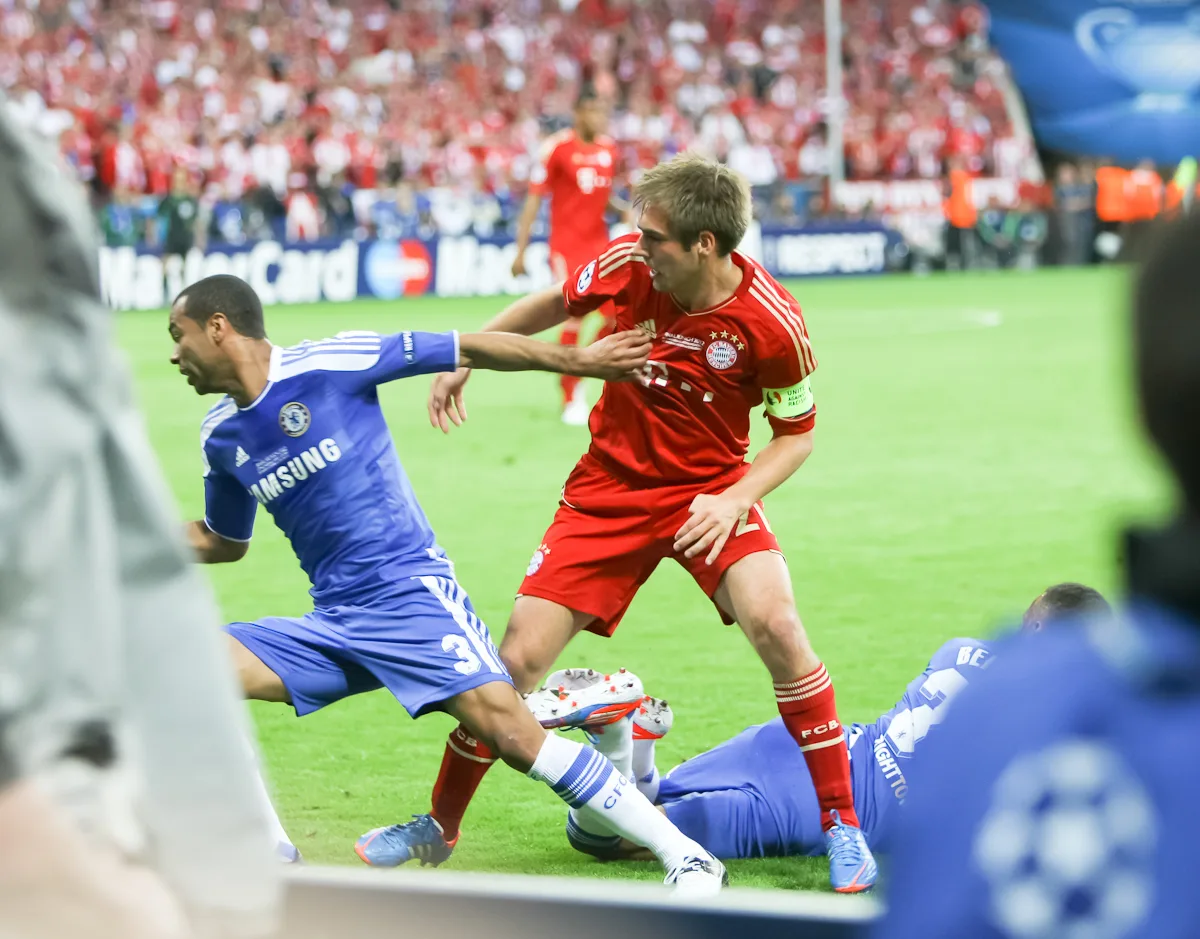
A reply on 0qtr asked why a tucked-in full-back kills his own flank, and it deserves a proper answer rather than a shrug. The short version: a full-back is the wide defender, and tucking in means he sits narrow beside the centre-backs instead of pushing up the touchline. When he does that, the winger in front of him has no one to combine with.
The mechanism is simple. The winger either holds his width and tries to beat his man alone, or he drifts infield looking for the ball. If he drifts, the whole left side funnels into the centre where the opposition already has bodies. If he stays wide, the defending team just doubles up on him, because there is no overlapping run to worry about. An overlap is the full-back running past the winger on the outside to offer a passing option. Two attackers against one defender is what you want on a flank. One against two is what you get when the full-back stays home.
The encyclopedia entry on defenders makes the structural point for me. It lists four categories: centre-backs, full-backs, sweepers, and wing-backs. Then it notes that "the sweeper and wing-back roles are more specialised, often limited to certain formations dependent on the manager's style of play and tactics." A tucked-in full-back is the same kind of choice. It is not a curse. It is a shape decision, and it only becomes a problem when nobody covers the width he has given up.
The fix is one of two things. A natural left-back who can get forward and actually overlap, or a midfielder who rotates out to the touchline to create the two-on-one. Without either, the winger is isolated and the flank goes quiet. That is a squad problem, not a tactical dead end. You can coach positioning all day, but you cannot coach a left-back into existence if you do not have one.
For Rangers, that means the answer is personnel. The left-back absence is the cause, and no amount of shape-tweaking replaces a defender who can run the line. Buy the position or promote from within, but stop pretending the winger can do it alone.